Sign up with Google
 Sign in with Zoho
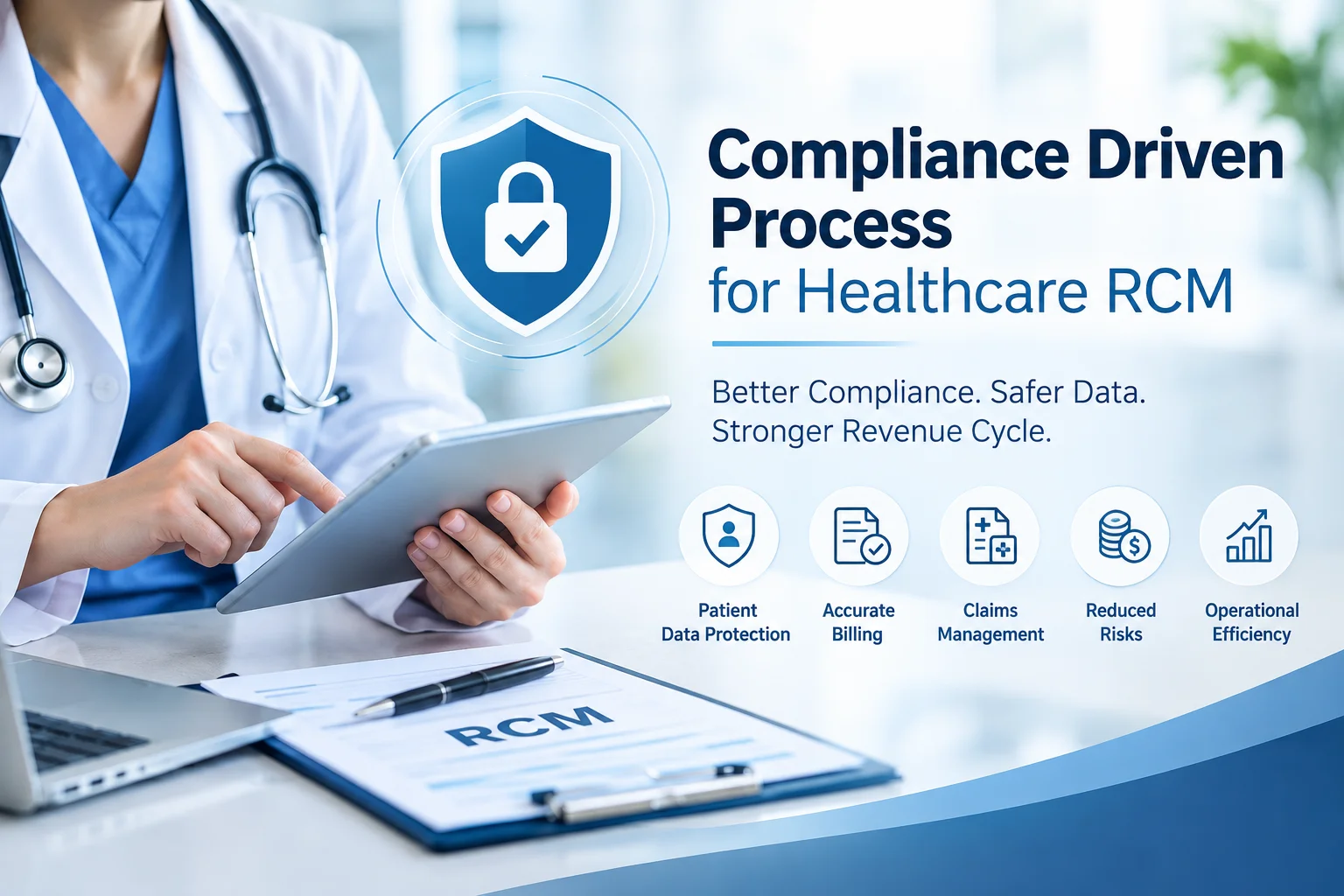
A Compliance Driven Process is an organized approach that helps businesses follow applicable laws, regulations, industry standards, and internal policies throughout their daily operations. In highly regulated industries such as healthcare, finance, insurance, and business process outsourcing, compliance is not simply a legal requirement; it is an important part of maintaining operational quality, protecting sensitive information, and building trust.
When compliance is integrated into everyday workflows rather than treated as an occasional review, organizations can reduce risks, improve accountability, and create more consistent business processes.
What Is a Compliance Driven Process?
A Compliance Driven Process is a workflow designed around established regulatory requirements and organizational policies. It ensures that employees and business operations consistently follow the appropriate rules while completing their responsibilities.
Such a process may include:
- Identifying applicable regulations
- Creating standardized operating procedures
- Training employees
- Monitoring business activities
- Maintaining accurate documentation
- Conducting regular audits
- Identifying and correcting compliance gaps
- Updating processes when regulations change
The goal is to make compliance a continuous part of operations instead of something addressed only when an audit or problem occurs.
Why Is a Compliance Driven Process Important?
Businesses operating in regulated environments handle sensitive information, financial transactions, and important customer or patient data. A weak compliance process can expose an organization to financial losses, penalties, security incidents, and reputational damage.
A structured approach provides several important benefits.
1. Reduces Compliance Risks
A clearly defined process helps organizations identify potential compliance issues before they become serious problems. Regular monitoring and internal reviews can reveal gaps in documentation, procedures, or employee practices.
2. Protects Sensitive Information
Many organizations manage confidential personal, financial, or healthcare information. Compliance-focused procedures can help establish appropriate controls for accessing, storing, processing, and sharing sensitive data.
3. Improves Operational Consistency
Standardized procedures ensure that employees follow the same requirements when performing similar tasks. This reduces variations and makes business operations easier to monitor and manage.
4. Supports Audit Readiness
Organizations may face internal or external audits to determine whether their processes meet regulatory and contractual requirements. Maintaining proper documentation and monitoring procedures makes it easier to demonstrate compliance.
5. Builds Customer Trust
Customers and business partners want to know that their information and transactions are being handled responsibly. A strong compliance framework can demonstrate an organization's commitment to security, accountability, and professional standards.
Key Elements of a Compliance Driven Process
An effective Compliance Driven Process should be practical, measurable, and continuously improved. Several components are particularly important.
Regulatory Knowledge
Organizations must understand the regulations and standards relevant to their industry. Requirements should be reviewed regularly because laws and industry expectations can change.
Documented Policies and Procedures
Employees need clear instructions about how tasks should be completed. Written policies provide a consistent reference point and help reduce confusion.
Employee Training
Even well-designed compliance policies are ineffective if employees do not understand them. Regular training helps staff recognize their responsibilities and understand the consequences of non-compliance.
Monitoring and Auditing
Organizations should regularly review processes to identify errors, weaknesses, or deviations from established requirements. Auditing provides valuable information for improving operational controls.
Documentation
Accurate records are an essential part of compliance. Documentation can demonstrate that appropriate procedures were followed and provide evidence during audits or investigations.
Corrective Actions
When a compliance issue is identified, organizations should determine its cause and take corrective action. The objective should not only be to fix the immediate problem but also to prevent it from happening again.
How to Implement a Compliance Driven Process
Implementing a compliance-focused workflow does not have to happen all at once. Organizations can develop their approach systematically.
Step 1: Identify Requirements Determine which laws, regulations, contractual obligations, and internal policies apply to the organization.
Step 2: Assess Current Processes Review existing workflows to identify areas where compliance requirements may not be adequately addressed.
Step 3: Establish Standard Procedures Develop clear processes that incorporate compliance requirements into everyday activities.
Step 4: Train Employees Provide practical training so employees understand the procedures and their individual responsibilities.
Step 5: Monitor Performance Use audits, reviews, reports, and other monitoring methods to evaluate whether procedures are being followed.
Step 6: Address Compliance Gaps Investigate issues, implement corrective measures, and document the actions taken.
Step 7: Continuously Improve Review the process periodically and update policies and workflows when regulations, technology, or business requirements change.
Compliance Driven Process in Healthcare
Healthcare organizations are a strong example of why compliance-driven operations matter. Healthcare providers, medical billing companies, and revenue cycle management organizations may handle sensitive patient information and financial data while working within complex regulatory requirements.
A compliance-driven healthcare process can support activities such as:
- Patient information management
- Insurance eligibility verification
- Medical billing
- Claims processing
- Payment posting
- Denial management
- Accounts receivable management
- Data security
- Documentation and reporting
By integrating compliance controls into these workflows, healthcare organizations can improve accuracy while reducing operational and regulatory risks.
Technology and Compliance
Technology can make compliance management more efficient. Automated workflows can help organizations standardize repetitive activities, maintain records, monitor transactions, and identify potential issues.
For example, compliance software and workflow systems may provide:
- Automated documentation
- Access controls
- Audit trails
- Compliance alerts
- Employee activity monitoring
- Reporting dashboards
- Data management controls
However, technology should support—not replace—human oversight. Organizations still need knowledgeable employees who can evaluate risks, interpret requirements, and make appropriate decisions.
Common Challenges
Developing a Compliance Driven Process can present several challenges. Regulations may be complex, requirements can change frequently, and employees may resist new procedures if they perceive them as adding unnecessary work.
Other common challenges include:
- Inconsistent employee training
- Outdated policies
- Poor documentation
- Lack of regular audits
- Limited visibility into operational risks
- Manual processes
- Insufficient communication between departments
Organizations can address these challenges by keeping procedures simple, providing ongoing training, assigning clear responsibilities, and regularly reviewing compliance performance.
Conclusion
A Compliance Driven Process helps organizations integrate regulatory requirements, internal policies, documentation, monitoring, and accountability into everyday operations. Rather than viewing compliance as a one-time task, businesses can make it an ongoing part of their operational strategy.
With clearly documented procedures, employee training, regular monitoring, accurate records, and continuous improvement, organizations can reduce risks, strengthen operational efficiency, and build greater trust with customers and business partners.