Sign up with Google
 Sign in with Zoho
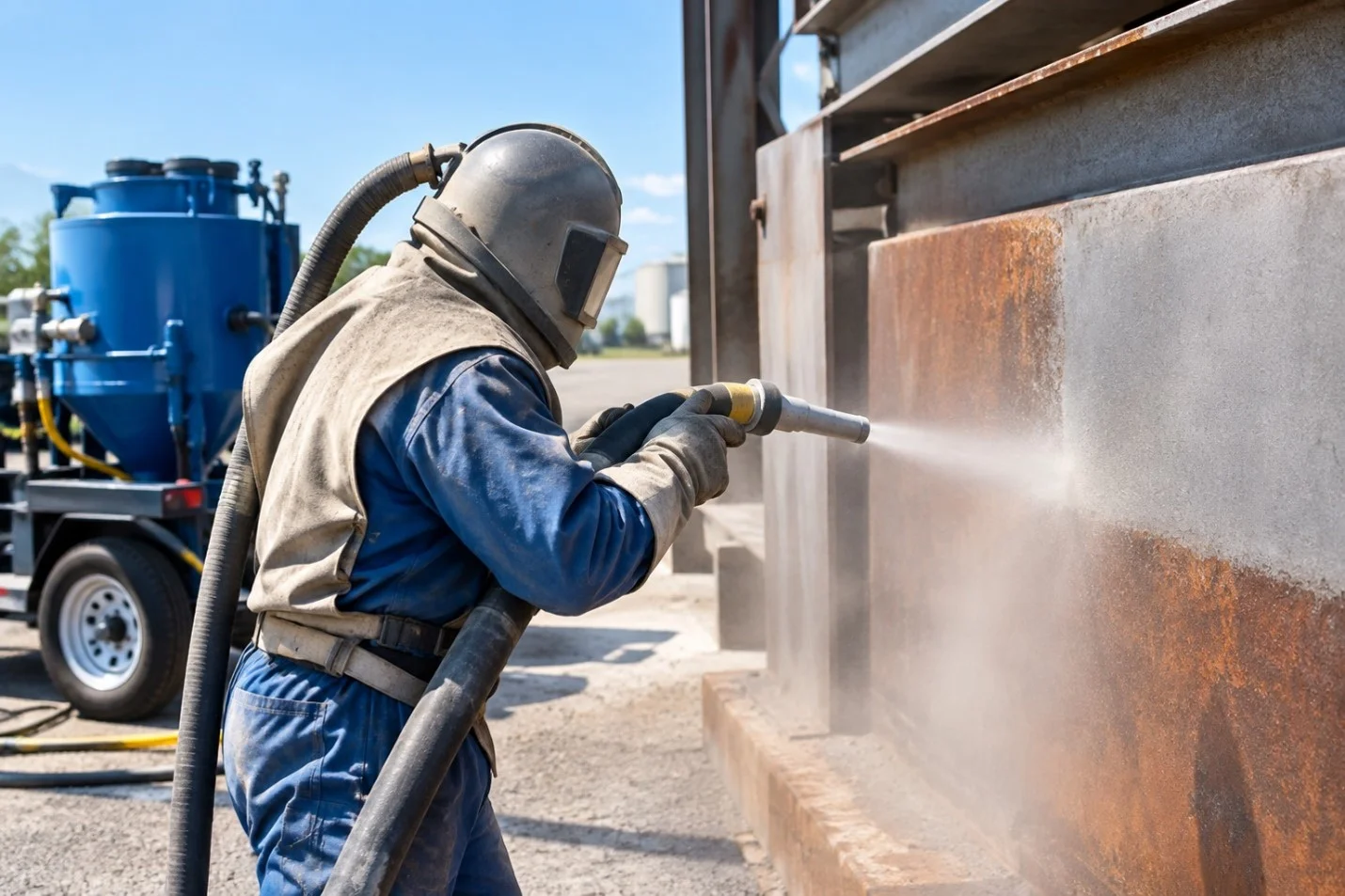
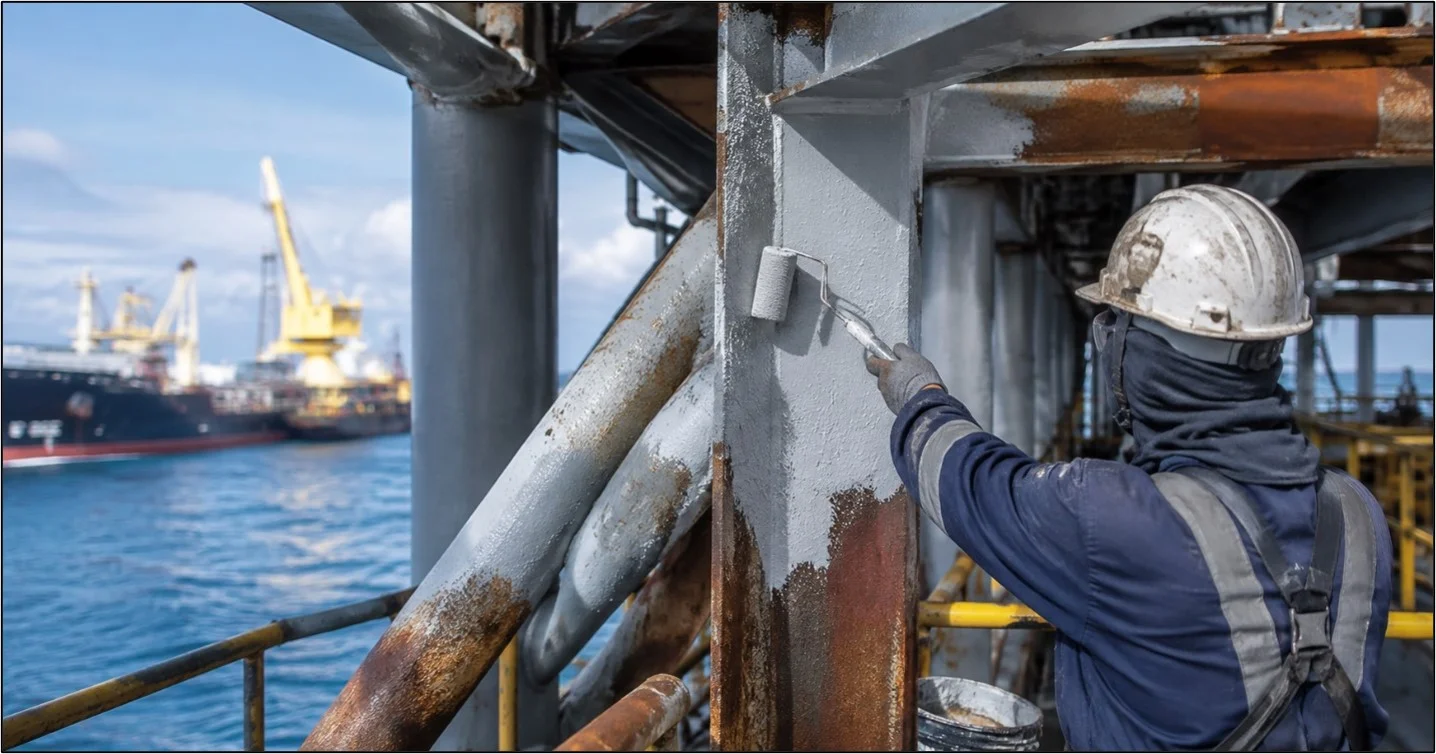
Industrial surface preparation is one of those jobs where the quality of the finished work often depends on what happens before the new coating ever goes on. Rust, old paint, scale, and deteriorated coatings have to be dealt with properly, especially on steel equipment and structures exposed to moisture, weather, and heavy operating conditions. Simply cleaning the surface is not enough. The preparation has to match the material, the condition of the surface, and what the project requires next.
Why Industrial Surface Preparation Matters
A coating needs a sound surface to adhere properly. Rust and loose or deteriorated coatings can create weak areas beneath the new finish, which is why preparation deserves more attention than it sometimes gets. Removing unwanted material with the next stage of the project in mind is important, whether that means recoating, repair, or continued maintenance. On industrial equipment, marine assets, tanks, piping, and structural steel, getting the surface right at this stage can make the rest of the job considerably more straightforward.
Why Mobile Blasting Makes Sense
Large industrial equipment is not exactly easy to move. Neither are offshore structures or sections of steelwork that are already installed and operating at a job site. Mobile blasting allows equipment to be brought to the asset instead of requiring the asset to be transported elsewhere. Mobile blasting services in Texas can support surface preparation at industrial facilities, inland sites, marine locations, and offshore environments where transporting equipment may be costly, disruptive, or simply impractical. There is also a practical advantage in working where the asset is located because the actual site conditions become part of the preparation plan.
Removing Rust and Old Coatings
Rust removal and coating removal are common reasons for industrial blasting. The condition of the surface can vary considerably from one project to another. One piece of equipment may have a relatively light layer of surface corrosion, while another may have substantial rust or several layers of aging paint. The approach should reflect that difference. A proper assessment considers what is actually on the surface, how firmly it is attached, and what condition the material needs to reach before the next phase of work begins. That is more useful than treating every surface as if it presents the same problem.
High-Pressure Hydro Blasting
Hydro blasting is another tool for industrial surface preparation, particularly when high-pressure water is appropriate for the material and cleaning requirements. Equipment capable of pressures up to 40,000 PSI provides substantial cleaning force and can be used for suitable rust, paint, and coating removal applications. The pressure alone, however, does not determine whether hydro blasting is the right choice. Surface material, coating type, site conditions, access, and the desired result all matter. Good preparation starts with selecting the process that fits the job rather than forcing every project into one method.
Where Laser Cleaning Fits
Some surfaces call for a more controlled approach. Laser cleaning can be useful when precise removal of rust or other unwanted surface material is required. An industrial laser cleaning contractor in Texas can assess whether laser technology is appropriate for the particular application. It provides another option alongside blasting and hydro blasting, especially for work where controlled surface treatment is important. The point is not to choose the most sophisticated-looking method. It is to choose the method that makes sense for the material and the condition in front of the project team.
What to Look At Before Work Begins
Before starting a project, several details can affect both the cleaning method and the finished surface:
● Surface condition: Rust, paint, scale, and coating buildup.
● Material type: Steel and other industrial surfaces.
● Site access: Equipment position and available workspace.
● Work environment: Inland, marine, or offshore conditions.
● Project objective: Recoating, repair, or maintenance preparation.
These considerations provide a clearer picture of what the surface needs and how the work should be approached.
Preparing for the Next Stage
Blasting and cleaning are usually not the final steps. In many industrial projects, they prepare an asset for another operation, such as coating, repair, inspection, or maintenance. That makes surface preparation a working part of the larger project rather than an isolated cleaning task. Removing corrosion and failing coatings gives the next stage a cleaner starting point and allows the condition of the underlying material to be properly addressed.
Conclusion
Industrial maintenance often happens around equipment that cannot simply be loaded onto a truck and taken somewhere else. On-site capabilities can make the process far more practical. At gvms1, mobile blasting, hydro blasting, and laser rust removal can support suitable industrial and marine applications. If an industrial surface needs rust, paint, or coating removal, discussing the material, site conditions, and project requirements with a qualified service provider can help determine the appropriate preparation approach.
FAQs
1. What is mobile blasting used for in industrial applications? Mobile blasting is used to remove rust, old paint, scale, and deteriorated coatings from industrial surfaces.
2. Can mobile blasting be performed at an active job site? Yes, mobile blasting equipment can be brought directly to suitable industrial, marine, inland, and offshore job sites.
3. What is hydro blasting used for? Hydro blasting uses high-pressure water to remove suitable rust, paint, and coatings from industrial surfaces.
4. Is laser cleaning suitable for rust removal? Laser cleaning can provide a precise option for removing rust and other unwanted surface material from suitable surfaces.
5. What should be considered before industrial surface preparation? Surface condition, material type, site access, work environment, and the project's preparation goals should all be considered.