Sign up with Google
 Sign in with Zoho
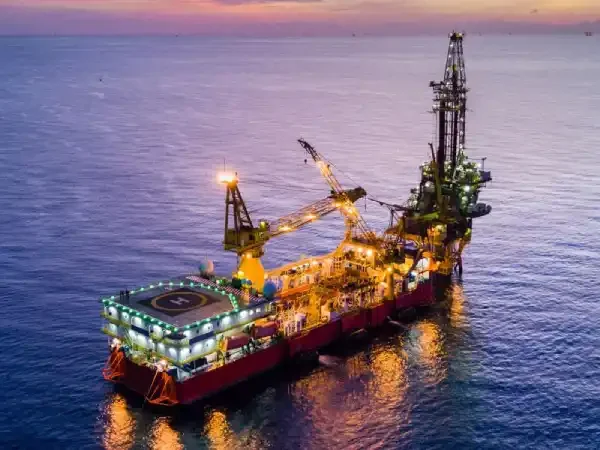
Pipelines are a crucial component of industrial and oil industry activities. They are susceptible to the correct installation, appropriate surface protection and timely restoration as corrosion occurs. Moisture, chemicals, salt exposure, and other contaminants can cause deterioration of exposed metal and protective coatings over time in inland and offshore environments.
When a business is expanding its facilities or keeping up maintenance on its current facilities, pipeline work should be considered in the process. Pipeline care is an important consideration for Industrial Expansion Projects, considering these factors.
The Importance of Pipeline Installation in Industrial Operations
The construction and installation of pipelines are used to support industrial activities and deliver piping systems to meet the needs of a facility. GVMS 1, LLC caters to marine and industrial offshore services and has experience in constructing, installing, covering, coating, and maintaining pipelines in the oil industry for inland and offshore applications.
To plan this work, understanding the extent of the project and the conditions the piping will encounter is extremely important. Installing pipelines should be compatible with other construction work and should fit into the overall project timeline.
GVMS 1, LLC also offers construction planning and execution, schedule development, and estimate development services. The activities in this section organize project requirements and provide a realistic way of doing construction activities.
Why Pipeline Maintenance Matters
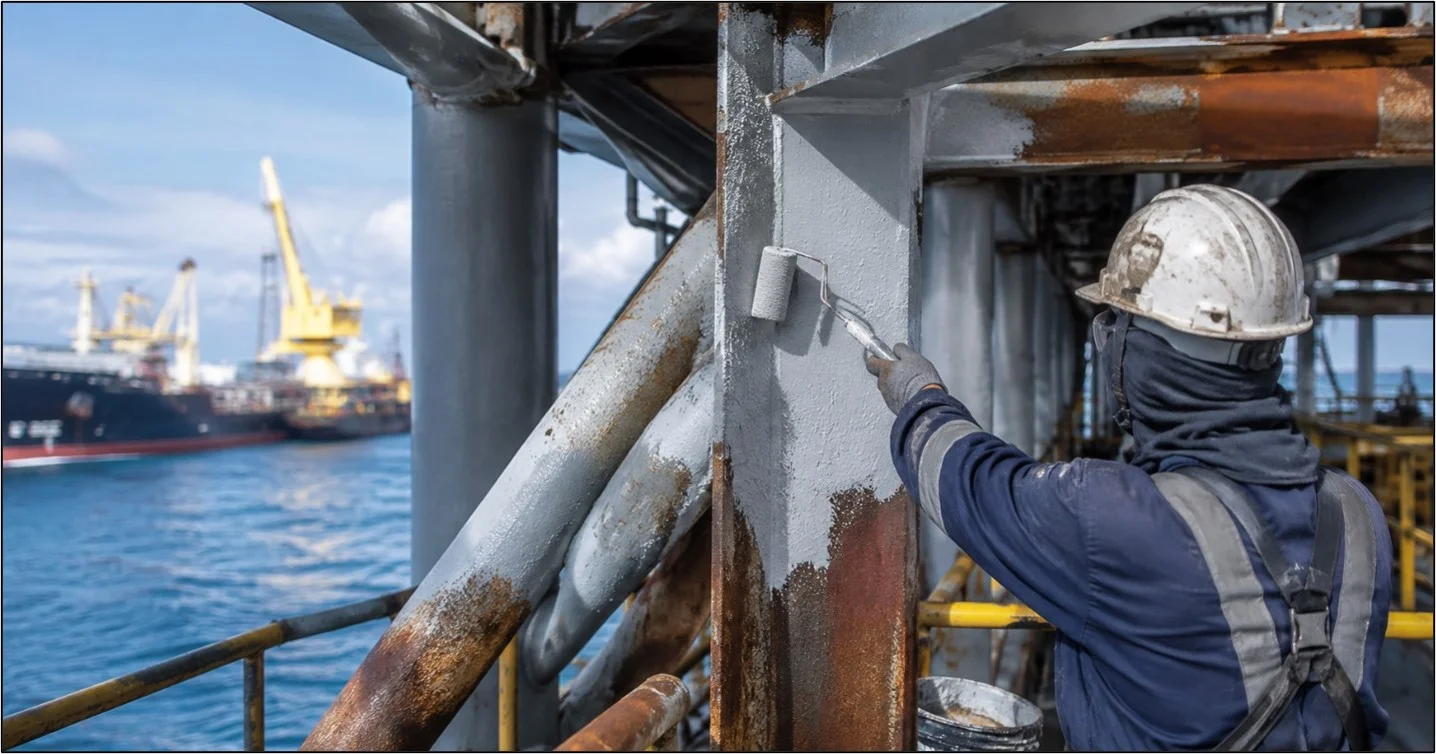
Protective coatings can fail and can leave metal surfaces exposed to adverse environmental conditions that can cause pipeline deterioration. If rust, loose scale, and/or damaged coatings are present, it may be a sign that restoration is necessary. Solutions will help mitigate issues and can reduce additional surface degradation.
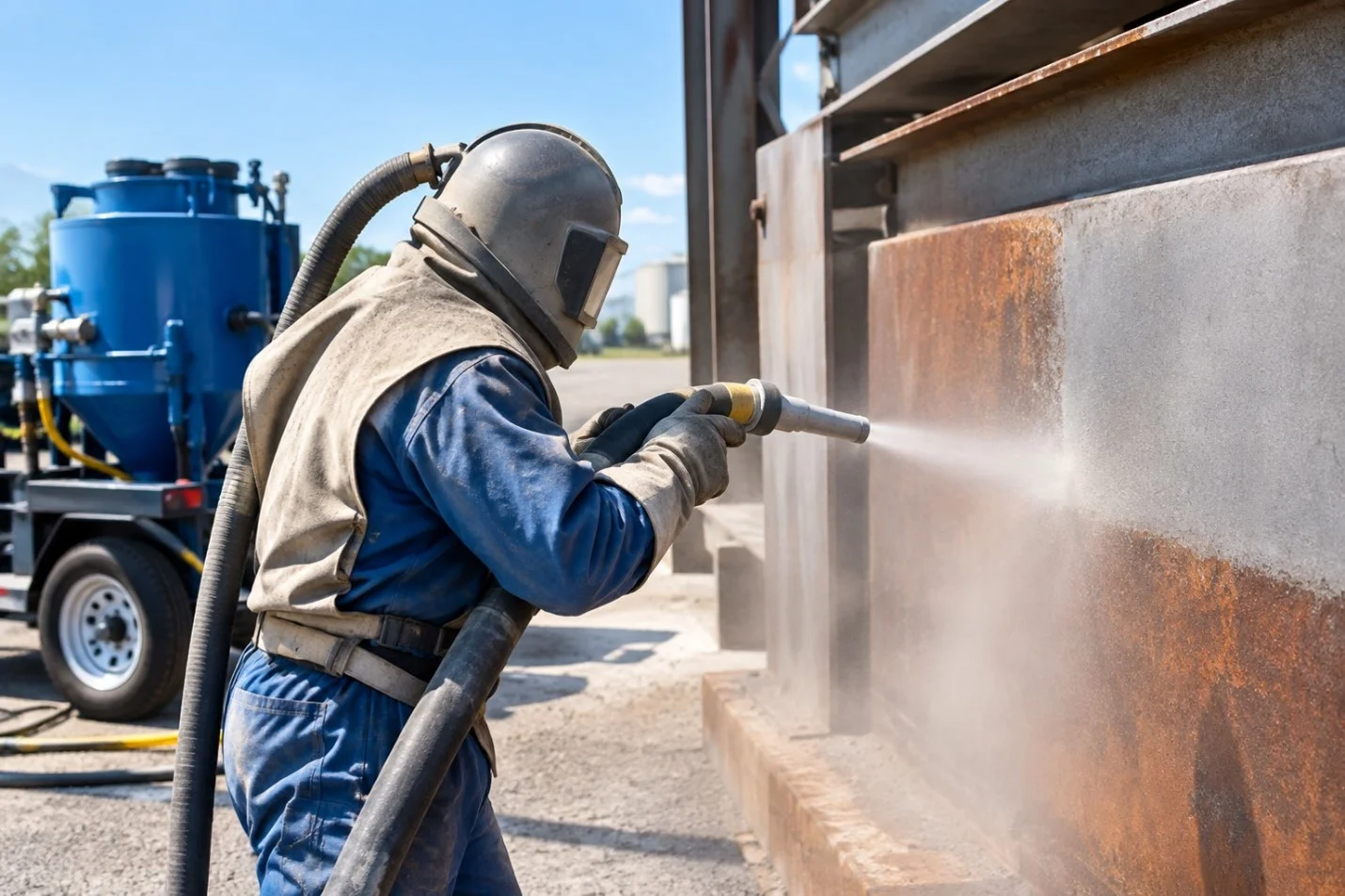
Services offered by GVMS 1, LLC involve pipe restoration and the removal of rust and corrosion, mechanical surface preparation, removal of deteriorated coatings, surface cleaning, and the installation of protective paint systems.
The preparation stage is important to note. A new coat of paint will not cure the surface condition if the paint is rusted or has failed. If the coating is bad or there are contaminants, those need to be cleaned off first to set up a good base for the protective system.
When a facility is planning construction or maintenance of existing piping, pipe restoration may be a viable option to combat corrosion and protect the condition of the existing piping.
How Protective Coatings Help Prevent Corrosion
Corrosion forms when the metal surface interacts with its environment. Surface protection can weaken over time with exposure to moisture, chemicals, salt water, and environmental conditions, making the metal vulnerable to further corrosion.
GVMS 1, LLC provides corrosion repair and prevention services to industrial structures, storage tanks, marine assets, steel equipment, and other infrastructure. The techniques it claims are available encompass rust removal, mechanical surface preparation, failure analysis, removal of coatings, surface cleaning, rust protection, industrial-grade primers, and protective coating systems.
There is a purpose to each step. Before cleaning and preparing the surface for a new protective system, all rust and damaged coatings should be removed. This is then covered with appropriate primers and coatings to provide protection from the environment.
The correct treatment will vary depending on the surface condition and the requirements of the operating environment. Preparing carefully and selecting the right type of coating can help to combat the deterioration that has already occurred and continue to protect.
Inland and Offshore Pipeline Requirements
Piping in industrial and offshore settings is subject to varying moisture, chemical, salt, and weather conditions. These factors can affect the nature of the surface deterioration and the necessary restoration.
GVMS 1, LLC includes marine and industrial offshore industries, and provides ship and offshore oil rig maintenance onboard and at dock. It has extensive experience with pipeline construction, installation, covering, coating, and maintenance in both inland and offshore environments, which covers a wide range of conditions.
Restoration should be based on the fact of the pipe's condition and not using one approach for all situations. The company's stated pipe restoration process includes removing the corrosion, cleaning the surface, and applying an appropriate protective coating system.
Coordinating Pipeline Work to Industrial Construction
Installation and maintenance of pipelines should be taken into account as part of the wider construction plan. The planning of activities, estimating, coordinating with owner and plant project teams, and construction execution planning enables an organization of the activities and clarifies project requirements.
GVMS 1, LLC has these functions as part of its construction services. Pipeline work is part of the planning process and is integrated into the project team's construction workload, along with other construction activities, to allow for consideration of pipeline installation, restoration, and protective coatings.
This is especially important if the existing infrastructure