Sign up with Google
 Sign in with Zoho

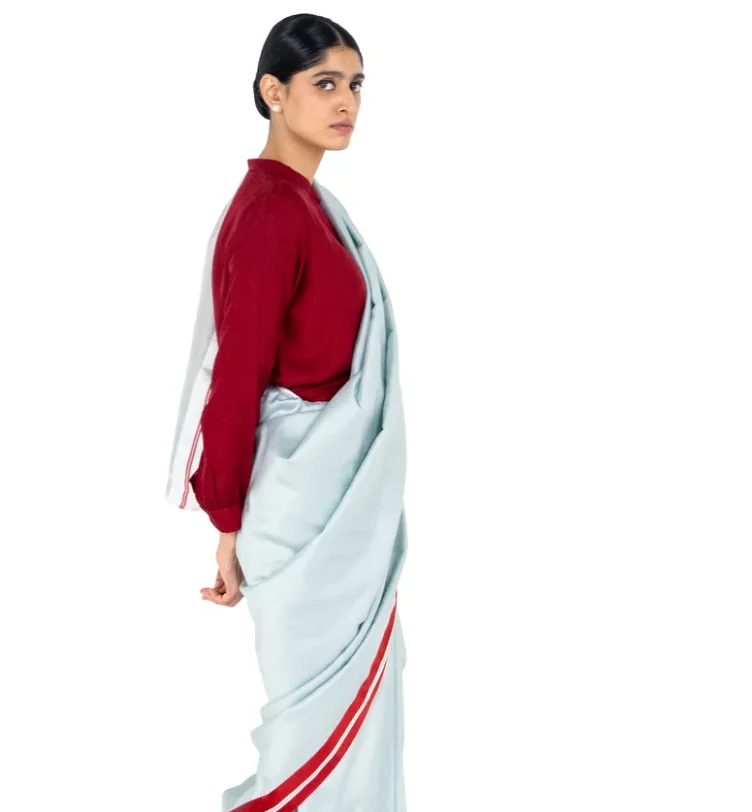
Ever stood before a saree display, wondering if that "handloom" tag is genuine? Or why some drapes command five-figure prices while others don't? The confusion between authentic craftsmanship and mass-produced imitations keeps many buyers second-guessing their investment. Understanding what transforms six yards of fabric into a treasured heirloom changes everything about how you choose, wear, and preserve these timeless pieces. Whether you're exploring luxury sarees for special occasions or looking for pure handloom cotton sarees for everyday elegance, knowing what to look for makes all the difference.
Understanding the Heritage of Luxury Sarees in Indian Craftsmanship
What Defines a Luxury Saree Beyond Price
True luxury isn't about the price tag—it's about the narrative woven into every thread. A genuine luxury saree carries the fingerprints of master artisans, hours of meticulous labor, and centuries of inherited technique. The irregularities in handspun yarn, the slight variations in color gradients, and the tactile richness all signal authentic craftsmanship that machines cannot replicate.
The Role of Handloom Weaving in Premium Textile Production
Handloom weaving creates fabric with unmatched character. Unlike powerlooms that produce uniform, tension-controlled cloth, handlooms introduce subtle inconsistencies that give fabric its soul. These variations create better drape, superior breathability, and a texture that actually improves with age—qualities impossible to engineer mechanically.
The Distinctive Characteristics of Pure Handloom Cotton Sarees
Fiber Quality and Thread Count in Handloom Cotton
Superior handloom cotton begins with long-staple fibers that create smoother, stronger yarn. The thread count tells only part of the story—what matters more is how these threads interlace on the loom, creating pockets of air that regulate temperature naturally. This is why authentic pure handloom cotton sarees feel cool against the skin even in summer heat.
Natural Dyeing Processes and Color Fastness
Natural dyes penetrate fibers differently than chemical alternatives, creating depth and luminosity that synthetic colors cannot match. While they may soften slightly over time, this graceful aging adds character rather than diminishing value—each wash reveals new tonal subtleties.
Breathability and Comfort: Why Handloom Cotton Stands Apart
The irregular tension in hand-woven fabric creates microscopic gaps that allow superior air circulation. This natural ventilation system makes handloom cotton remarkably comfortable across temperatures, adapting to your body's needs rather than trapping heat like powerloom alternatives.
Regional Weaving Traditions Behind India's Finest Luxury Sarees
Benarasi Silk Heritage and Contemporary Adaptations
Varanasi's brocade tradition finds new expression when master weavers experiment with minimalist patterns and unconventional color combinations. The ancient technique remains unchanged—only the aesthetic vocabulary evolves to speak to contemporary sensibilities.
Chanderi Weaves: The Intersection of Cotton and Silk
Chanderi's distinctive sheer texture comes from blending cotton warp with silk weft, creating fabric that's simultaneously substantial and weightless. This delicate balance makes it ideal for transitional dressing across seasons and occasions.
Maheshwari and Kanjivaram Influences in Modern Luxury Collections
The bold borders of Maheshwari and the rich zari work of Kanjivaram inspire contemporary designs that honor tradition without replicating it. This creative dialogue between heritage and modernity defines thoughtful luxury.
How to Identify Authentic Pure Handloom Cotton Sarees
Visual and Tactile Markers of Genuine Handloom Fabric
Look for slight imperfections—the occasional extra thread, marginally uneven borders, or color variations. Run your fingers along the fabric; handloom cotton has a textured, slightly irregular surface that powerlooms cannot produce. The selvedge edges should be slightly thicker and more pronounced.
Understanding Weaver Marks and GI Tags
Geographical Indication tags certify regional authenticity, while weaver marks act as signatures embedded in the fabric. These identifiers protect both artisan livelihoods and buyer investments by guaranteeing provenance.
Common Misconceptions About Powerloom vs Handloom
Not all irregularities indicate handloom work—some powerlooms now simulate imperfections. The real difference lies in fabric behavior: how it drapes, breathes, and ages. Authentic handloom develops a softer hand with each wear, while powerloom remains relatively unchanged.
Styling Luxury Sarees for Contemporary and Traditional Occasions
Draping Techniques That Enhance Premium Fabric Fall
The Bengali drape showcases pleating excellence, while the Gujarati style highlights border work. Experiment with pleating widths—wider pleats suit stiffer fabrics, narrower ones complement fluid cottons. The fabric itself often suggests its ideal draping method.
Pairing Handloom Cotton Sarees with Modern Blouse Designs
Contemporary blouse cuts—halter necks, cold shoulders, or structured collars—create striking contrasts with traditional drapes. This juxtaposition honors heritage while signaling modern sensibility.
Seasonal Styling: Summer Elegance with Pure Cotton Weaves
Cotton handlooms excel in warm weather, requiring minimal styling. Pair with silver jewelry and minimal accessories—let the weave speak for itself. The fabric's natural cooling properties make elaborate styling unnecessary.
The Craftsmanship Journey: From Loom to Wardrobe
Time Investment in Creating a Single Handloom Saree
A basic cotton handloom requires 5–7 days of continuous weaving. Complex patterns can demand weeks or even months. This time investment directly translates to value—you're acquiring concentrated human expertise, not just fabric.
Artisan Communities and Ethical Fashion Practices
Ethical production means fair wages, creative freedom, and sustained employment for weaver communities. It ensures skills transfer to younger generations and keeps traditional knowledge alive beyond museum collections.
Raw Mango's Collaborative Approach with Master Weavers
True collaboration means weavers participate in design conversations, not just execute instructions. This partnership model preserves artisan agency while creating contemporary relevance.
Caring for Luxury Sarees and Handloom Cotton Weaves
Washing and Storage Best Practices
Hand wash separately in cold water with mild detergent. Avoid wringing—instead, press gently to remove excess water. Air dry in shade to prevent color fading. Store folded with acid-free tissue paper, refolding along different lines every few months to prevent permanent creases.
Preventing Color Bleeding and Fabric Deterioration
Add a tablespoon of salt to the first wash to help set natural dyes. Never use harsh detergents or bleach. Store sarees in breathable cotton bags rather than plastic, which traps moisture and encourages mildew growth.
When to Opt for Professional Cleaning Services
Complex weaves with heavy zari work or mixed fibers benefit from professional care. If you notice stubborn stains or significant color bleeding, specialists have tools to address issues without damaging delicate fibers.
Why Luxury Handloom Sarees Are Timeless Investments
Cost Per Wear Analysis
A well-maintained handloom saree easily delivers 50+ wears over decades. Calculate the cost per wear, and the premium price becomes remarkably economical compared to fast fashion alternatives that lose their appeal within a few seasons.
Heirloom Quality and Generational Value
Quality handlooms improve with age, developing character that new fabric lacks. Passed down through generations, they carry family stories and memories, making them priceless beyond monetary value.
The Growing Value of Designer Handloom Collections
The emerging vintage market values well-preserved designer handlooms, particularly from renowned brands. Limited editions and discontinued designs often appreciate over time, making them both wearable art and meaningful investments.
Frequently Asked Questions
How do I verify if a saree is truly handloom cotton?
Check for slight irregularities in the weave, examine selvedge edges for thickness variations, and feel for a naturally textured surface. Ask for certification or GI tags whenever available.
What makes Raw Mango sarees different from other luxury brands?
Direct collaboration with master weavers, innovative color palettes rooted in traditional techniques, and a strong commitment to preserving regional weaving traditions while creating contemporary designs.
Are handloom cotton sarees suitable for formal events?
Absolutely. Their craftsmanship, elegant detailing, and cultural significance make them ideal for weddings, festive celebrations, and formal gatherings. Choose designs with refined zari accents or sophisticated colour combinations for elevated occasions.
How long does a quality handloom cotton saree last?
With proper care, a handloom cotton saree can last for decades. Many become cherished family heirlooms, growing softer and more beautiful with time.
Conclusion
Choosing authentic luxury sarees is about more than adding beautiful garments to your wardrobe. It is an investment in craftsmanship, heritage, and the communities that keep India's weaving traditions alive. Likewise, pure handloom cotton sarees offer timeless comfort, exceptional durability, and understated elegance that only improves with age. Raw Mango's thoughtful approach to preserving traditional artistry while embracing contemporary design makes every saree a meaningful expression of India's rich textile legacy.