Sign up with Google
 Sign in with Zoho
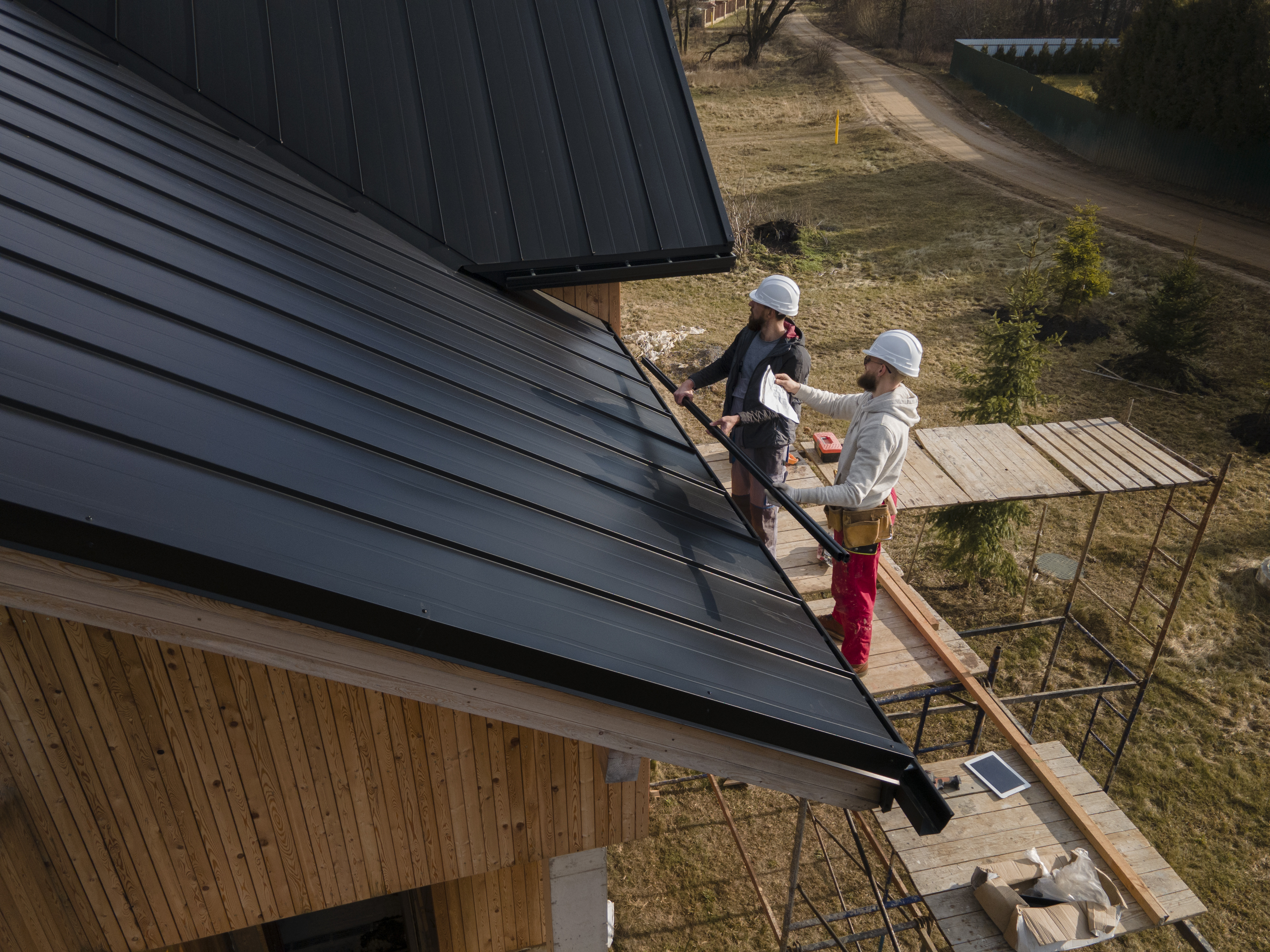
Most homeowners rarely think about their gutters until they stop working properly.
That's understandable. Gutters quietly do their job year after year, directing rainwater away from your roof, walls, foundation, and landscaping. When they're functioning as they should, you hardly notice them.
The problem is that gutter systems don't last forever.
Exposure to rain, wind, debris, UV rays, and changing temperatures gradually takes its toll. What starts as a small leak or a loose bracket can eventually lead to water damage around the home.
The good news is that failing gutters usually give plenty of warning before they completely break down. Knowing what to look for can help you avoid costly repairs and make a more informed decision about whether repair or replacement is the better option.
Let's look at the signs.
1. Cracks and Splits Keep Appearing
A small crack might not seem like a major issue at first.
However, every time it rains, water finds its way through that opening. Over time, the crack grows larger, allowing even more water to escape.
One isolated crack can often be repaired. Multiple cracks appearing across different sections of the system usually point to ageing materials that are beginning to fail.
If new cracks continue showing up after previous repairs, it may be a sign that gutter replacement makes more sense than another temporary fix. A new system can eliminate recurring problems and restore proper drainage around your home.
2. You're Constantly Paying for Repairs
Homeowners often ask whether they should repair their gutters or replace them entirely.
A simple way to think about it is this: repairs work best when the damage is isolated. Replacement becomes the smarter choice when problems keep returning.
If you've repaired leaks several times over the past few years, fixed multiple brackets, or repeatedly addressed the same issues, your gutters may be nearing the end of their useful life.
Eventually, those repair costs start adding up.
At that point, investing in a new system can actually save money over the long run.
3. Sections Are Sagging or Pulling Away
Stand back from your home and look along the roofline.
Do the gutters appear straight and secure? Or do some areas dip, bow, or pull away from the fascia?
Sagging often happens because standing water, debris buildup, or ageing fasteners place extra stress on the system.
Once gutters lose their shape, water no longer flows efficiently toward the downpipes. Instead, it pools in low spots and creates even more strain.
That's usually a sign that more than a simple repair may be needed.
4. Rust Is Spreading Across the System
Surface rust on an older metal gutter isn't unusual.
Widespread corrosion is a different story. Rust gradually weakens the material and creates holes where water can escape. As corrosion spreads, structural strength decreases and leaks become more common.
For homes near the coast, exposure to salty air can speed up this process significantly. If rust appears in several sections rather than one isolated area, gutter replacement is often the most cost-effective solution, helping prevent further deterioration and ongoing repair expenses.
5. Water Overflows During Normal Rainfall
Your gutters should comfortably handle everyday rainfall.
If water pours over the sides during a typical rain event, something isn't working correctly.
The cause could be:
- Blockages
- Incorrect pitch
- Undersized gutters
- Structural damage
- Years of wear and tear
Repeated overflow doesn't just affect the gutters themselves. It can damage garden beds, stain exterior walls, and contribute to foundation issues.
6. Paint Is Peeling Around the Roofline
Peeling paint often tells a story.
When water repeatedly escapes from gutters, nearby surfaces remain damp longer than they should. Over time, paint begins to bubble, crack, or peel away.
Many homeowners first notice gutter problems because of stains or deteriorating paint around the fascia boards.
It's a warning sign worth investigating before larger moisture issues develop.
7. You Notice Water Collecting Around the Foundation
One of the main purposes of a gutter system is to move water away from your home.
When that doesn't happen, water often collects near the foundation.
You may notice:
- Pooling water
- Eroded soil
- Damaged landscaping
- Cracked pathways
- Damp areas near exterior walls
These problems can become expensive if ignored for too long.
8. Mold and Mildew Keep Coming Back
Persistent moisture creates the perfect environment for mold and mildew.
If you're constantly cleaning mold from exterior walls or noticing damp areas around the property, poor drainage could be contributing to the problem.
While gutters aren't always the sole cause, they should be inspected whenever moisture-related issues continue appearing.
9. Debris Buildup Becomes a Constant Problem
Every gutter requires maintenance. However, if your gutters clog repeatedly despite regular cleaning, the system may no longer be performing efficiently.
Older designs sometimes struggle to manage debris, especially in areas with large trees. This is one reason many homeowners consider seamless systems or gutter guard installations during a gutter replacement project, as these upgrades can improve water flow and reduce ongoing maintenance requirements.
10. Your Gutters Are Simply Old
Age matters.
Even well-maintained systems eventually reach a point where repairs stop making financial sense.
Aluminium gutters often last several decades with proper care, while premium materials can last even longer. However, lifespan isn't the only factor.
If older gutters show multiple warning signs at the same time, replacement usually provides better value than continuing to patch individual problems.
What Does Gutter Replacement Cost in 2026?
Cost is often one of the biggest concerns for homeowners.
Unfortunately, there isn't a single answer because every property is different.
Several factors influence pricing, including:
- Home size
- Roof design
- Material selection
- Accessibility
- Number of downpipes
- Removal of existing gutters
Aluminium remains a popular option because it balances affordability and durability. Premium materials such as copper typically cost more but offer exceptional longevity.
Rather than focusing solely on the cheapest quote, look at the overall quality of the installation. Proper sizing, correct fall, durable materials, and workmanship guarantees often make a significant difference over the lifespan of the system.
Are Seamless Gutters Worth the Extra Cost?
For many homeowners, they are.
Traditional sectional gutters contain multiple joins. Over time, those joins become common locations for leaks.
Seamless gutters reduce the number of connections, which helps improve water flow and minimize maintenance requirements.
They also provide a cleaner appearance along the roofline.
The upfront investment is generally higher, but many homeowners appreciate the reduced risk of leaks and the longer-term performance benefits.
If you've dealt with recurring joint failures in the past, seamless gutters are often worth considering.
Don't Ignore the Warning Signs
Most gutter systems don't fail overnight. They wear down gradually, often giving homeowners plenty of warning along the way.
Cracks, recurring leaks, rust, sagging sections, overflow, and foundation drainage issues all indicate that something may be wrong. While some problems can be repaired, others signal that the system has reached the point where replacement makes more sense.
The key is acting early. Addressing drainage issues before they cause damage to your roof, walls, or foundation can save significant time, money, and stress.
If you've noticed several of the warning signs discussed above, it may be time to consider gutter replacement and ensure your home remains protected for years to come.