Sign up with Google
 Sign in with Zoho
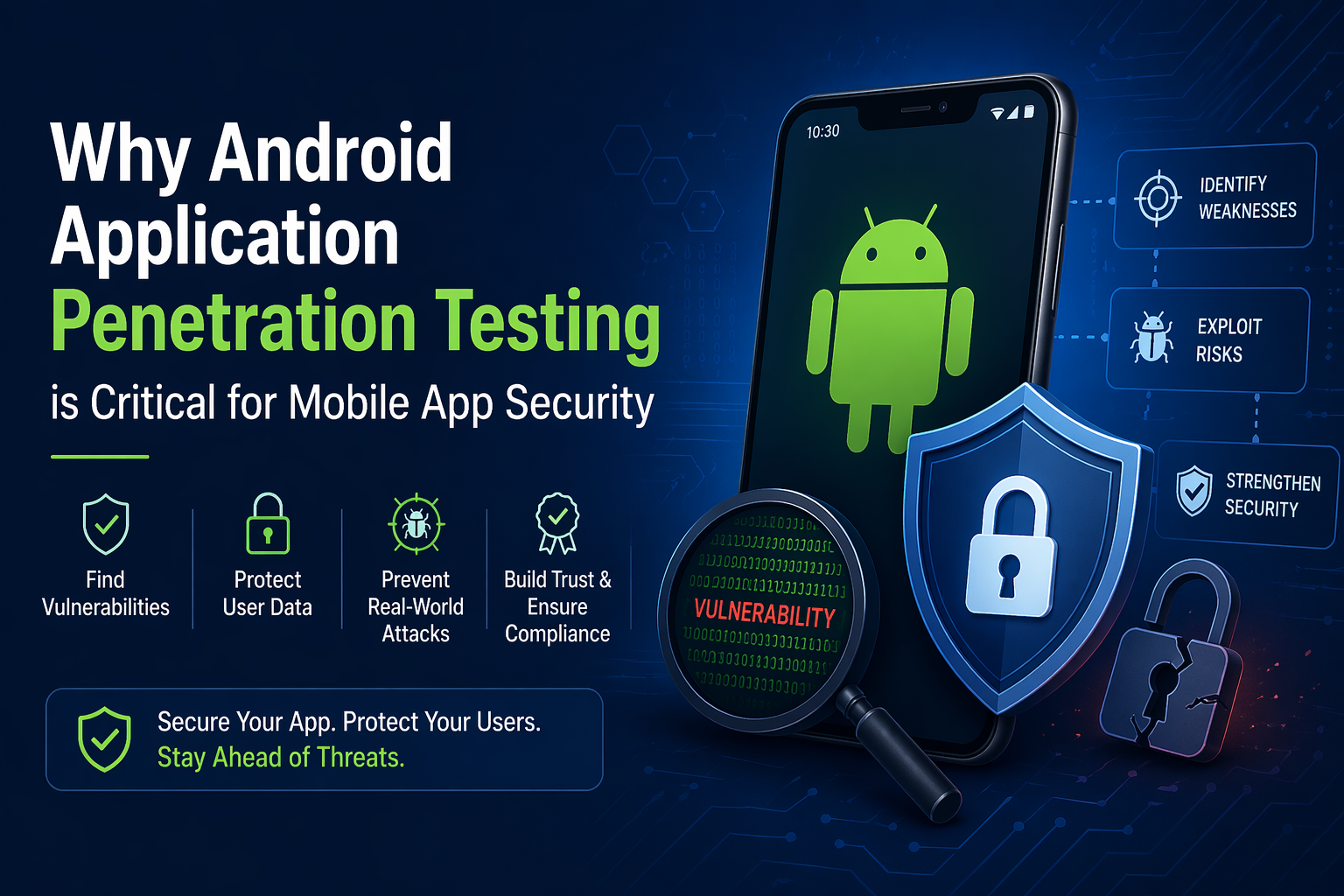
Six months ago, your IT team probably had a short list of AI tools to worry about. Today, that list looks completely different. Employees are connecting agents to email, CRMs, ticketing systems, and internal databases, often without anyone in security ever signing off on it.
This is exactly why ai agent risk management has become one of the most urgent conversations in enterprise IT. An AI agent doesn't just answer questions anymore; it takes actions, moves data between systems, and makes decisions on its own. When that autonomy isn't governed, a single misconfigured agent can expose customer records, leak credentials, or trigger a workflow nobody approved.
This guide breaks down what AI agent risk really looks like inside a modern enterprise, why traditional security tools weren't built to catch it, and what a practical, working framework looks like. Along the way, we'll point to some deeper reads on our blog and the specific tools AGAT Software has built to close these gaps.
What Is AI Agent Risk Management?
AI agent risk management is the practice of identifying, monitoring, and controlling the risks that come from autonomous AI systems acting inside your business. That includes agents built in-house, agents embedded in SaaS tools like Copilot or Salesforce, and agents built on frameworks such as LangChain or CrewAI
Unlike a chatbot that simply generates text, an agent can call APIs, read files, write to databases, and chain several actions together without a human clicking approve at every step. That's where the risk multiplies. Good agent risk management means knowing which agents exist, what they can touch, and what happens the moment one behaves unexpectedly.
Why AI Agents Create a New Category of Risk
Most enterprise security stacks were designed around humans logging into systems and files moving between known endpoints. AI agents break that model in three specific ways.
Autonomous Actions Without Human Review
An agent can complete a multi-step task, such as pulling a customer record, summarizing it, and sending it to a third-party tool, entirely on its own. If the agent misinterprets a prompt or is manipulated by a malicious input, that action still happens. There's no pause for a human to catch the mistake before damage is done.
Expanding Attack Surface Across Tools and APIs
Every integration an agent touches, whether it's Slack, a code repository, or a cloud data warehouse, becomes a new entry point. Attackers no longer need to breach your network directly; they only need to find one poorly secured connection between an agent and a tool.
Shadow AI and Unapproved Agents
Teams frequently spin up their own agents to save time, often without informing IT. These "shadow" agents rarely go through security review, and many organizations don't even know they exist until something goes wrong. Discovery is usually the first gap that needs closing.
Core Components of Enterprise LLM Protection
Strong enterprise llm protection isn't a single product. It's a layered approach that covers the model, the prompts going in and out, and the agents acting on the model's behalf.
Visibility and Discovery
You can't protect what you can't see. The first step is mapping every agent in use across the organization, who owns it, and what systems it can access. AGAT's Guardian Agent was built specifically for this: it gives security teams a live map of agent activity, ownership, and audit trails across every gateway and endpoint.
Runtime Control and Policy Enforcement
Discovery alone isn't enough. Once agents are visible, policies need to decide, in real time, what an agent is allowed to do, and what requires human approval first. This is where runtime blocking and approval workflows matter most, especially for agents touching financial data, customer PII, or production systems.
Prompt-Level Inspection
Many attacks against agents don't target infrastructure at all; they target the prompt. Prompt injection tricks an agent into ignoring its instructions or leaking data it shouldn't. Tools like Prompt Guardian inspect prompts and responses live, filtering injection attempts and catching sensitive data before it ever leaves the conversation.
Why an AI API Gateway Is Central to Risk Management
Every agent, chatbot, and internal tool eventually connects to a model through an API call. Without a central checkpoint, those calls happen in the dark, with no consistent record of who accessed what model, how much it cost, or whether the request was even legitimate.
An ai API gateway solves this by putting a single, governed layer between your users and every AI provider you use, whether that's OpenAI, Anthropic, or an internal model. AGAT's AI Gateway manages API keys, enforces access policies by team or role, and tracks usage and cost, all from one place. Instead of dozens of untracked integrations, you get one governed doorway.
Model integrity matters just as much as access control. Before any model is trusted in production, it's worth validating where it came from and how it behaves under pressure. Model Guardian evaluates model provenance, runs static analysis, and supports the compliance review most regulated industries now require.
The Role of AI Governance Software
Risk management and governance go hand in hand. ai governance software gives leadership the reporting and audit trail needed to prove, not just claim, that AI usage across the company follows policy. This matters for internal risk committees, but increasingly it matters for external auditors and regulators too.
Traditional Security vs. AI Agent Risk Management
The table below highlights how agent-specific risk management differs from the security controls most enterprises already have in place.
Conclusion
AI agents are already inside your business, whether security signed off on them or not. The organizations that get ahead of this aren't the ones banning AI tools; they're the ones building visibility, control, and governance around how agents actually behave.
AGAT Software's AI Security Suite brings agent discovery, prompt inspection, model validation, and gateway control into one platform, so your team can adopt AI confidently instead of reactively.
Ready to see where your organization stands? Book a demo with AGAT Software and get a clear picture of your AI agent risk in under an hour.
Frequently Asked Questions
What is the biggest risk with AI agents in the enterprise?
The biggest risk is an agent taking an unreviewed action, such as sharing sensitive data or triggering a workflow, based on a manipulated or misunderstood prompt. Because agents act without a human clicking approve each time, small errors can escalate quickly.
How is AI agent risk management different from regular cybersecurity?
Regular cybersecurity is built around human logins, known devices, and network traffic. AI agent risk management focuses on autonomous actions, API calls, and prompt-level threats, areas most traditional tools were never designed to inspect.
What is an AI API gateway used for?
An AI API gateway centralizes every connection between your organization and AI providers. It manages API keys, enforces access policies, and tracks usage and cost, giving security teams one governed point of control instead of dozens of untracked integrations.
Do small and mid-sized businesses need AI governance software too?
Yes. Agent-related risks don't scale only with company size; they scale with how many AI tools are connected to sensitive systems. A smaller business with a handful of unmonitored agents can be just as exposed as a large enterprise.
Can prompt injection attacks really bypass an AI agent's instructions?
Yes. Prompt injection is one of the most common ways attackers manipulate agents into ignoring their original instructions or revealing information they shouldn't. This is exactly why prompt-level inspection has become a core part of enterprise LLM protection.
Where should a company start if it has no AI risk program at all?
Start with discovery. Identify every agent currently in use, map what each one can access, and route all model traffic through a single gateway before building out deeper policies and approval workflows.