 Sign up with Google
 Sign in with Zoho

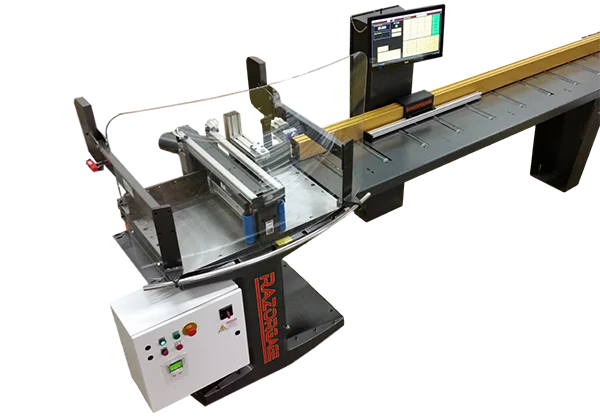
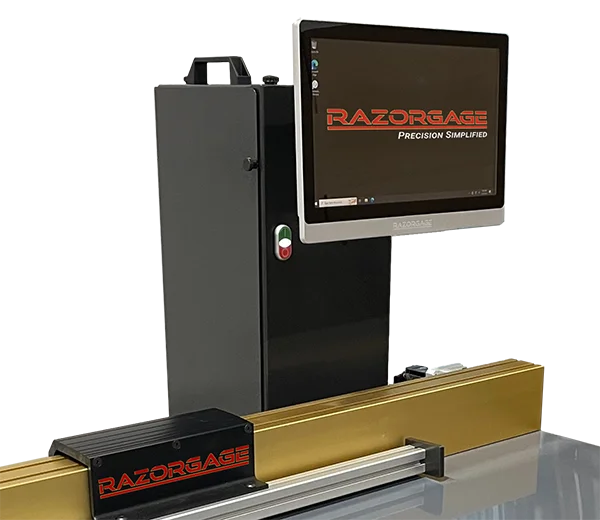
A few seasons ago, I recut a big stack of strut lengths for a rooftop job. Nobody was careless. We were trusting a tape measure and a manual stop at the end of a long day. That’s when I started looking seriously at the RazorGage Positioner. This is what happened, including the mistakes.
Why Manual Measuring Was Hurting My Shop
The problem wasn’t one big failure. It was lots of small ones:
- A pencil mark read slightly differently by each person
- Manual stops that drifted after a few hundred cuts
- Recuts that ate material and labor
- Cut lists that took longer than the install
I’m not alone. Cabinet makers, door manufacturers, window fabricators, HVAC duct fabricators, and pipe and conduit cutters all fight the same battle. The page sho industries RazorGage serves how wide that list is.
What I Tried Before the RazorGage Positioner
I didn’t jump straight to automation. Here’s what I tried first:
- Cut to a pencil line. Fast, but accuracy depended on who was marking and how tired they were.
- A clamped stop block. Better, until someone bumped it and nobody noticed for ten cuts.
- A taped ruler on the fence. Cheap, but the tape stretched and the numbers wore off.
Each fix saved a little time. None of them removed the human error.
My Step-by-Step Setup With the RazorGage Positioner
Here’s the walkthrough as I lived it.
Step 1: Calibrate Before Anything Else
I skipped this on my first run and paid for it. Calibrate against a known reference length before trusting any number.
Step 2: Run Test Cuts
I cut scrap first and measured every piece. Only after the pieces matched did I load a real job.
Step 3: Load the Cut List
Entering lengths once and letting the machine move the stop was the biggest change. I stopped holding numbers in my head.
Step 4: Add Material Feeding
Once positioning was dependable, the next bottleneck was handling the stock. I covered that in automating material feeding, which explains why it pairs so well with a positioner.
Mistakes I Made (and What I Learned)
I made three mistakes, and I’d rather you skip them:
- Skipping calibration. My first batch was consistently off by the same amount.
- Ignoring the material. Bowed or dirty stock still gave me odd results, even with a precise stop.
- Not training the crew. Two people ran it differently until we wrote down one routine.
The lesson: the RazorGage Positioner removes measurement error, but it can’t fix sloppy habits.
Where Precision Length Control Made the Biggest Difference
The gains showed up first in repeat cuts. Precision length control is usually described for door and window fabrication, but the logic is the same for duct supports, strut, and conduit. When every piece matches, assembly stops being a puzzle.
I also wondered about angle work. If you’re in that boat, the guide on how to improve miter cut accuracy is worth a read. I also wrote a detailed guide on the AnglesMaster saw here for angle-heavy shops.
What Changed After [X] Months
(Replace the bracketed items below with your real numbers.)
- Recuts dropped by about [X]%
- Cut-list time fell from [X] to [X] per job
- Material waste went down by roughly [X]%
The biggest win was less stress. I stopped second-guessing every length. I covered the accuracy side separately in another post on getting more from your cutting equipment, and the cost side in this write-up on how a saw measuring system saves money.
Is the RazorGage Positioner Right for Your Shop?
It made the most sense for me because:
- I cut the same lengths again and again
- I was replacing a manual stop
- I wanted to grow capacity without adding headcount
- Accuracy mattered more than raw speed
If you run a small shop, a growing cabinet shop, or a mid-size production floor, it’s worth a serious look.
Frequently Asked Questions
What is the RazorGage Positioner used for?
It moves a stop to the exact length you program, so every cut matches the cut list without manual measuring.
Can a mechanical contractor use it?
Yes, if you cut repeat lengths of material your saw can handle. Check your specific material and saw setup with the team first.
Do I need to replace my saw?
Not necessarily. Many shops upgrade an existing saw, but compatibility depends on your setup, so ask before you buy.
How long does setup take?
Mine took a little longer than expected because I skipped calibration the first time. Plan for test cuts.
How do I get a quote?
Contact the RazorGage team using the details below.
Final Thoughts on the RazorGage Positioner
Precision positioning won’t fix everything, but it removed the part of my day I dreaded most: guessing at lengths. If recuts and slow cut lists sound familiar, the RazorGage Positioner is a practical place to start.
Contact Us
Ready to talk through your own setup? Reach out to the RazorGage team:
- Address: 57006 241st Street, Ames, IA 50010
- Phone: 515.232.3188
- Email: [email protected]