Sign up with Google
 Sign in with Zoho

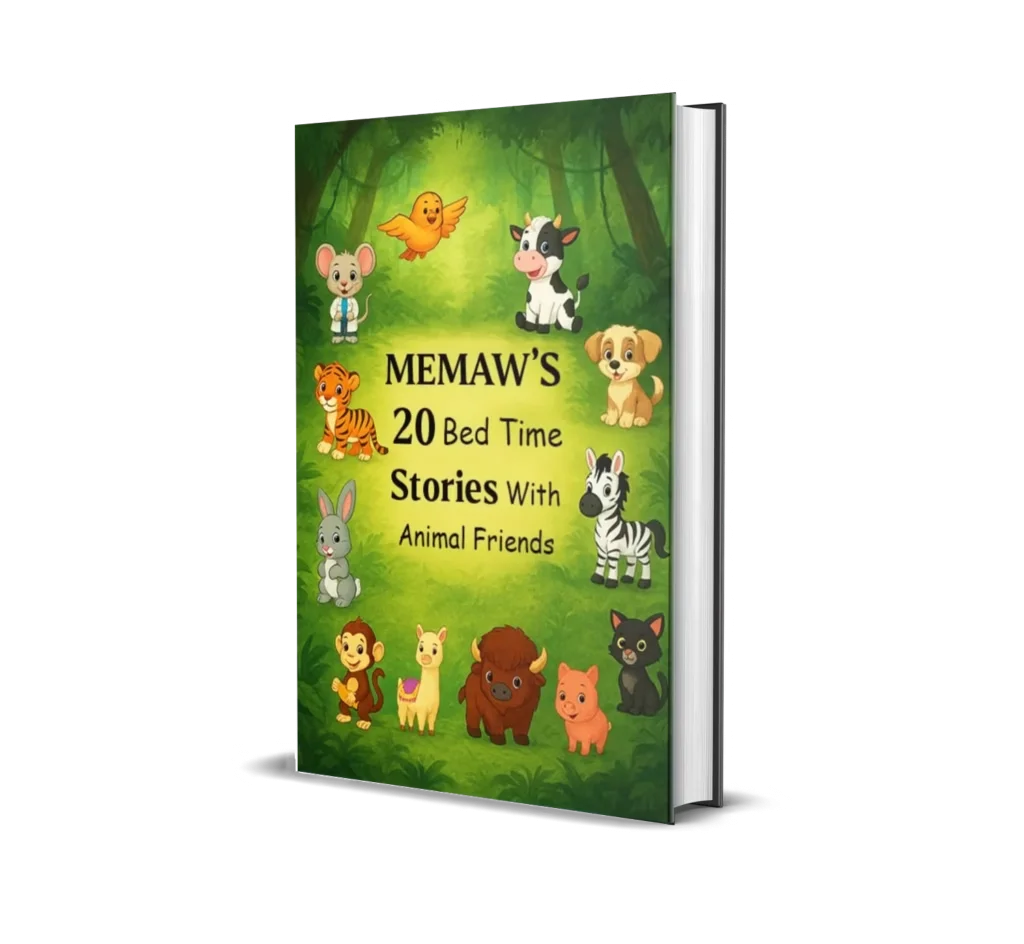
Teaching kindness to a young child is rarely effective through direct instruction alone. Most parents and educators know that lessons stick better when they are shown rather than told, which is exactly the approach Melanie Lewis takes in MEMAW'S 20 Bed Time Stories with Animal Friends. Instead of lecturing readers about how to treat others, she builds kindness into the actions of her animal characters, letting children absorb the lesson through story rather than instruction. For parents looking for bedtime material that quietly reinforces good values without feeling like a moral checklist, this collection offers a thoughtful and effective model.
Why Animal Characters Work So Well for Teaching Kindness
There is a reason animal characters have been used in children's literature for generations to teach social lessons. Animals give young readers enough emotional distance to absorb a lesson without feeling singled out, while still being relatable enough to care about what happens to them. A child who might feel defensive hearing a story about a boy who shares grudgingly can watch a baboon, a bunny, or a colt go through a similar struggle and draw the same conclusion on their own terms.
Lewis leans into this naturally because of her own background. Having grown up in a small Iowa town with a lifelong love of animals, she writes farm and wildlife characters with enough personality and detail that they feel like real individuals rather than stand-ins for human behavior. That authenticity is part of what makes the kindness lessons land without feeling forced.
Kindness Shown Through Friendship and Teamwork
Helping Without Being Asked Twice
Several stories in the collection center on characters stepping in to help a friend who is overwhelmed or struggling. In one story, a baboon who opens a busy café finds himself unable to keep up with demand on opening day, and instead of giving up or losing his temper, he reaches out to two monkey friends for help. They arrive without hesitation, work alongside him through a chaotic shift, and the experience strengthens their friendship enough that it becomes a lasting working relationship. The lesson here is subtle but clear: kindness often looks like showing up for someone when they need an extra hand, and asking for help is not a weakness.
Patience With Family and Friends Who Make Mistakes
Kindness in the collection is not limited to grand gestures. Several stories show characters extending patience to family members who have made a mistake, rather than reacting with anger alone. A mother rabbit, frustrated with her son for taking vegetables that were not his to take, still listens to his explanation, gently corrects him, and ultimately shows him grace by following through on a promise. The story does not pretend that the mistake was acceptable, but it models how correction and kindness can coexist, offering a nuanced lesson for young listeners to absorb through repetition.
Kindness Toward Animals and the Natural World
Given Lewis's lifelong connection to animals and the outdoors, it is no surprise that several stories also model kindness toward animals themselves, not just between human-like characters. Farmers in the collection are shown caring for their animals with patience even when those animals cause trouble, whether that means searching through the night for two runaway colts or being understanding when a job does not go exactly as planned. These moments reinforce a broader message about responsibility and compassion that extends beyond human relationships and into how readers might think about animals and nature in their own lives.
Why This Approach Resonates With Parents
Parents looking for bedtime stories that reinforce values often struggle to find material that does not feel preachy or overly simplistic. Lewis avoids this by letting kindness emerge from the plot itself rather than stating it outright. Children are not told that helping a friend is good. They watch a baboon get rescued from a stressful situation by friends who show up without complaint, and they draw that conclusion themselves. This approach respects a child's intelligence while still delivering a consistent, repeated message across the twenty stories in the collection.
Because the lessons are woven into different characters and settings each time, from a café on the beach to a farm in the mountains, children get to see kindness modeled in a variety of contexts rather than a single repeated scenario. That variety helps the lesson generalize, so a child is more likely to recognize and apply the same value of helping others in their own everyday situations, whether at school, at home, or while playing with siblings.
Bringing the Stories Into Everyday Conversations
Parents who want to reinforce these lessons beyond the bedtime reading itself can use simple follow-up questions after each story, such as asking why a character chose to help a friend or how a character might have felt before receiving kindness from someone else. Because each story is short and self-contained, these conversations stay brief and natural, avoiding a lecture and keeping the bedtime routine calm and enjoyable rather than instructional.
MEMAW'S 20 Bed Time Stories with Animal Friends is available through major online retailers, including Amazon, in both print and digital formats, making it simple to keep on hand for nightly reading. Families who prefer to listen together can also find the audiobook edition, which offers another way to share these kindness-focused stories during car rides or in quiet moments throughout the day.
Final Thoughts
Melanie Lewis understands that kindness is best taught through example, not instruction, and her animal characters give young readers a gentle, relatable way to absorb that lesson night after night. By grounding each story in real friendship, patience, and care for both people and animals, she has created a collection that does more than entertain. It quietly shapes how children think about treating others, one bedtime story at a time.