Sign up with Google
 Sign in with Zoho
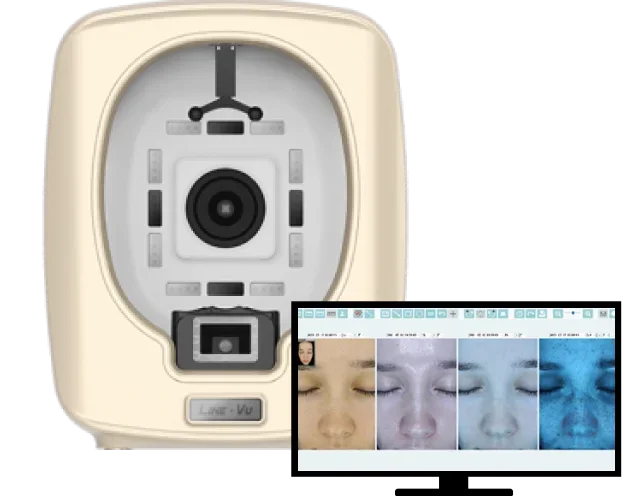
You've probably seen it happen. A client sits down, a camera clicks a few times, and moments later there's a colourful report on the screen showing spots, texture and pores they never knew they had. It looks a bit like magic. It isn't, though. A skin analysis system follows a clear process, and once you understand it, you can use the results with far more confidence.
What Is a Skin Analysis System?
A skin analysis system is a combination of imaging hardware and software that evaluates the condition of the face. A facial scanner skin analyzer captures high-quality photos under controlled lighting, then the software studies those images to measure what's going on at and just beneath the surface.
The aim is simple: replace "I think your skin looks a bit dull" with something you can actually see, measure and track.
Step 1: Image Capture
Everything starts with the photo. Consistent lighting is the whole game here. If the light changes from one visit to the next, the results can't be compared fairly.
Most systems use a fixed position and controlled illumination, sometimes with different light types, to highlight different features. Surface issues like texture and pores show up under standard light, while others, such as pigmentation, may be better revealed with specialized lighting. The client keeps still, the camera takes its images, and that's the raw material.
Step 2: Image Processing
Once captured, the software gets to work. It maps the face, identifies regions like the forehead, cheeks and chin, and analyzes each one for different concerns.
Typical measurements include:
● Wrinkles and fine lines
● Pores and surface texture
● Pigmentation and uneven tone
● Redness
● Overall evenness and clarity
Each concern is usually scored, often compared against an average for the client's age or skin type. That gives you a starting point instead of a vague impression.
Step 3: The Personalized Report
This is the part clients actually see. The report brings the scores, the annotated images and the key findings together in one place. Good reports are easy to read, with highlighted problem areas, simple graphs and clear before-and-after comparisons over time.
For a clinic or aesthetics practice, this is where the system earns its keep. The report becomes the basis for a conversation. You can walk the client through what they're looking at, explain what's driving it, and recommend a plan that makes sense for their skin.
Why It Matters for Your Practice
● Better consultations. Clients understand their skin when they can see it.
● Easier recommendations. Data backs up your advice, so it feels less like a sales pitch.
● Trackable progress. Repeat scans show whether a treatment is working.
● Client trust. Clear visuals build confidence and encourage return visits.
Choosing the Right System
When weighing up options, look at image quality, how quickly reports are generated, how intuitive the software is, and whether the report format suits the way you talk to clients. A system that's hard to operate tends to gather dust, no matter how impressive the specs.
Final Thoughts
A skin analysis system takes the guesswork out of skin assessment. From the first photo to the final report, every step is about turning what you see into something you can measure, explain and track.