Sign up with Google
 Sign in with Zoho

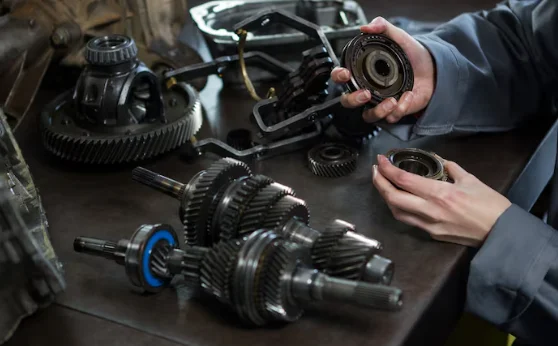
Drivers describe symptoms in their own words. The real cause hides beneath layers of mechanical and electronic systems working together. A trained transmission repair specialist in Grand Rapids reads past the vague description. They use proof gathered step by step. Getting this diagnosis right protects drivers from paying for guesswork dressed up as a repair.
Three Drivers, Three Different Complaints
Picture three cars pulling into the same shop on the same morning. One driver mentions a hard clunk into second gear. Another describes a delay before the car moves after shifting into drive. A third feels shuddering only during highway acceleration.
Each complaint points toward a different starting place for testing. This happens even though all three fall under the broad label of hard shifting. This variety shows why a cookie-cutter approach fails drivers more often than it helps them.
Ruling Out the Obvious Before Digging Deeper
Before assuming a complex internal fault, technicians check the simple options first. Skipping this step wastes time chasing rare problems when common ones sit right in front of them.
● Fluid level: Low fluid alone can cause hesitation or rough engagement across multiple gears.
● Fluid age: Old fluid loses viscosity and protective additives, changing how shifts feel.
● External leaks: A slow leak might explain gradually worsening symptoms over recent weeks.
● Battery and connections: Weak electrical connections can cause odd sensor readings that mimic mechanical faults.
Mapping Symptoms to Likely Systems
Different shifting complaints point toward different starting points for deeper testing. A proper transmission auto repair shop in Grand Rapids uses this mapping to focus effort where it matters most.
A hard clunk into gear often traces back to worn motor mounts or valve body issues, not the transmission itself. Hesitation before movement points toward hydraulic pressure trouble or a failing pump. Shudder during acceleration often connects to torque converter wear, though it can also stem from a dirty valve body blocking flow.
Following the Clunk Complaint Through Testing
Tracing one specific symptom through the diagnostic process shows how careful this work really is. Take the driver reporting a hard clunk into second gear as an example.
Confirming the Symptom First
Technicians reproduce the clunk during a test drive. They note exactly when and under what conditions it happens. This step prevents chasing a symptom that might not even relate to the transmission.
Checking Motor and Transmission Mounts
Worn mounts allow extra movement during gear engagement. This often creates a clunk mistaken for internal transmission trouble. A visual and physical check here rules out this common, cheaper cause first.
Testing Valve Body Function
If mounts check out fine, attention shifts toward the valve body, which directs fluid flow during each shift. Sticking valves inside this part can cause harsh, delayed, or clunky gear engagement.
Reviewing Live Shift Data
Watching hydraulic pressure and timing during an actual shift confirms whether the valve body works within normal range. Odd readings here point straight toward the true source of the clunk.
Following the Hesitation Complaint Through Testing
The second driver's hesitation complaint demands a different testing path entirely. This shows how symptoms shape the whole approach.
- Fluid pressure check: Technicians measure line pressure to confirm the pump makes enough force.
- Filter inspection: A clogged filter restricts flow, causing exactly this kind of delayed engagement.
- Sensor verification: Faulty speed sensors can confuse the computer's shift timing calculations.
- Solenoid testing: A weak solenoid might delay fluid reaching the clutch packs properly.
Why Cross-Referencing Data Matters So Much
No single test tells the whole story on its own. Skilled transmission diagnostic service in Grand Rapids combines several data points before landing on a final answer.
A code alone might suggest one cause. Live data during driving might reveal a different pattern entirely. Cross-referencing these sources catches contradictions that a single test would miss. This leads to a more accurate final diagnosis.
The Shudder Complaint and Torque Converter Testing
The third driver's shudder complaint during acceleration points toward specific torque converter testing. This testing differs from the other two cases entirely.
Technicians watch converter lockup engagement during a test drive, checking for vibration patterns tied to acceleration and speed. Fluid contamination gets ruled out or confirmed through sampling, since dirty fluid can mimic converter wear symptoms without any real internal damage present.
Why Seasoned Technicians Catch What Others Miss
Reading these overlapping symptoms accurately takes years of hands-on practice. Seasoned transmission repair experts in Grand Rapids spot subtle patterns that connect seemingly unrelated complaints to their true root cause.
A newer technician might replace a valve body based on one clunk complaint. They could easily miss worn mounts causing the actual noise. Experience teaches specialists to check the cheaper, simpler causes before assuming the priciest internal part failed.
What Honest Communication Looks Like During Diagnosis
Each of these three drivers deserves a clear explanation tied specifically to their symptom and the testing done. Vague summaries leave drivers confused about what actually caused their problem.
● Specific findings: Technicians explain exactly which test confirmed the diagnosis for that particular symptom.
● Visual proof: Photos or printed data back up the explanation given to each driver.
● Realistic pricing: Estimates reflect the actual confirmed repair, not a guess based on common complaints.
● Clear next steps: Drivers understand what happens next and why that specific repair makes sense.
Building Trust Through Consistent, Proven Results
A trusted auto repair shop in Grand Rapids earns loyalty by solving these varied complaints correctly the first time. Lucky guesses that sometimes work out do not build real trust. Word spreads quickly when drivers see their specific symptom explained clearly and fixed the right way.
This reputation builds slowly but holds steady once set, since neighbors and coworkers trust advice backed by real results rather than marketing claims alone.
Final Thought
Three drivers walked in with three different complaints. Each left with a diagnosis matched precisely to their actual symptom. A skilled transmission repair specialist in Grand Rapids follows evidence wherever it leads. They refuse to force every complaint into the same convenient explanation. When your shifting feels off, trust a team willing to trace your specific symptom back to its true cause.