Sign up with Google
 Sign in with Zoho
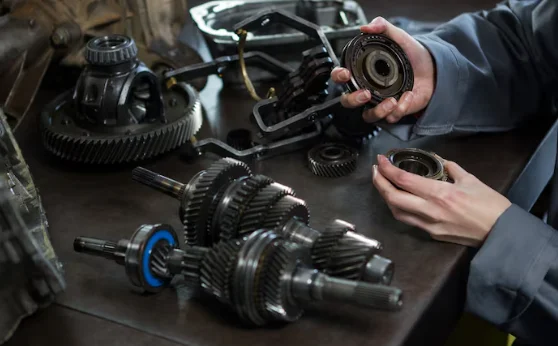
A transmission can hide serious trouble behind a subtle shudder or a faint delay in shifting. Drivers often miss these small clues. The problem grows loud only once it demands attention. Modern transmissions blend mechanical parts with complex electronics. This mix makes some faults hard to catch without the right tools. Skilled transmission diagnostic service in Grand Rapids digs past the surface. It finds issues a casual glance would never reveal. Catching these hidden problems early protects your wallet. It also keeps your car reliable for years to come.
What Symptoms Signal a Hidden Problem?
Certain warning signs point toward trouble hiding beneath the surface. Spotting these early gives technicians a real chance to catch faults. Small clues, when caught fast, stop bigger repairs down the road.
● Faint shudder: A slight vibration during acceleration hints at torque converter or clutch wear.
● Occasional hesitation: A brief pause before engaging gear signals early electronic or sensor trouble.
● Random warning lights: A check engine or transmission light that comes and goes points to intermittent faults.
● Subtle fluid smell: A faint burnt odor suggests internal heat building before major damage occurs.
● Inconsistent shifting: Gears that shift smoothly sometimes and roughly other times indicate a hidden electronic glitch.
Why Hidden Faults Are Hard to Catch
Several reasons explain why some transmission problems stay hidden. Understanding these reasons helps drivers see why proper diagnostic tools matter so much.
Intermittent faults only show up under specific driving conditions. This makes them tough to reproduce during a quick shop visit. Electronic glitches can mimic mechanical symptoms too, confusing a diagnosis without the right testing gear. Some sensors send slightly wrong data without triggering a warning light at all. This hides a growing problem from both the driver and a basic scan tool.
The Diagnostic Process Technicians Follow
Uncovering hidden faults takes a careful, layered approach. A single quick check rarely tells the whole story. Trained transmission repair experts in Grand Rapids follow clear steps to catch problems a surface inspection would miss.
Extended Computer Scan
Technicians pull both current and stored trouble codes, including intermittent faults logged over time. This deeper scan often reveals issues that never triggered a dashboard warning light.
Live Data Streaming During a Test Drive
Watching sensor output while driving under real conditions catches faults that only appear during acceleration, braking, or specific speeds. This step reproduces the exact scenario where the problem occurs.
Electrical System Testing
Wiring, connectors, and grounds get checked for corrosion or loose connections. These small issues cause intermittent electronic faults. A single bad connection can mimic a much bigger mechanical problem.
Mechanical Component Inspection
When electronic testing points toward a physical cause, technicians inspect clutches, bands, and the torque converter directly. This hands-on step confirms whether wear has started before symptoms become severe.
Common Hidden Issues Technicians Uncover
Several specific problems tend to hide behind mild or occasional symptoms. Knowing these helps drivers understand what a thorough diagnostic visit actually searches for.
- Early torque converter wear: Slight shudder during acceleration often traces back to this hidden fault.
- Corroded wiring connections: Loose or corroded connectors cause intermittent shifting problems that come and go.
- Weak solenoids: A solenoid nearing failure may work fine most of the time, then glitch occasionally.
- Sensor drift: A sensor sending slightly inaccurate data can throw off shift timing without an obvious warning.
- Slow internal leaks: Small leaks inside the transmission case reduce fluid pressure gradually over time.
Why Professional Technicians Make the Difference
Not every mechanic has the training needed to catch these subtle faults. A trusted transmission mechanic in Grand Rapids brings years of hands-on work. This experience helps them spot patterns a newer tech might miss.
Experienced hands know which symptoms deserve a deeper look. They also know which ones just need a simple fluid check. This judgment comes from years facing tricky, inconsistent faults. These faults rarely show up in a textbook the same way they appear on the road.
The Value of Combining Mechanical and Electronic Testing
Modern transmissions demand a testing approach covering both physical wear and computer-controlled systems. Skipping either half of this equation leaves room for a hidden fault to slip through unnoticed.
Mechanical testing alone might miss a sensor sending bad data. Electronic testing alone could overlook a worn clutch pack causing real physical damage. A proper transmission repair shop in Grand Rapids blends both approaches. This gives drivers a complete picture of their transmission's true condition.
What to Expect During a Diagnostic Visit
Walking into a shop for a suspected hidden issue should feel thorough and reassuring. Here's what a solid diagnostic visit typically includes from start to finish.
● Detailed intake: Technicians ask specific questions about when symptoms occur and under what conditions.
● Extended test drive: A longer drive helps reproduce intermittent symptoms that a short trip might miss.
● Clear documentation: Findings get recorded and explained, not left as a vague verbal summary.
● Honest next steps: Technicians outline exactly what repair or further testing makes sense based on results.
Cost Benefits of Catching Hidden Problems Early
Finding a hidden fault before it worsens saves real money down the road. A small sensor replacement or wiring repair costs far less than the internal damage a missed problem eventually causes.
Drivers who invest in thorough diagnostics upfront avoid a lot of hassle. They skip the frustration of repeated visits chasing a symptom nobody could pin down. Quality auto repair in Grand Rapids, MI, treats this upfront cost as protection. It guards against a much larger bill later.
Building Trust Through Thorough Testing
A shop willing to spend extra time chasing an intermittent fault shows real commitment to getting the diagnosis right. Drivers notice when a team refuses to guess. They notice even more when that team digs until they find solid proof.
This patience builds lasting trust between drivers and their chosen shop. Word of mouth spreads quickly when a team consistently catches problems others might have missed entirely.
Final Thought
Hidden transmission problems rarely announce themselves loudly. Waiting for symptoms to worsen only raises the cost of repair. Skilled transmission diagnostic service in Grand Rapids combines mechanical inspection with electronic testing. This combo catches faults before they turn into major failures. When something feels slightly off with your shifting, trust a team that digs deep enough to find the real answer.