Sign up with Google
 Sign in with Zoho

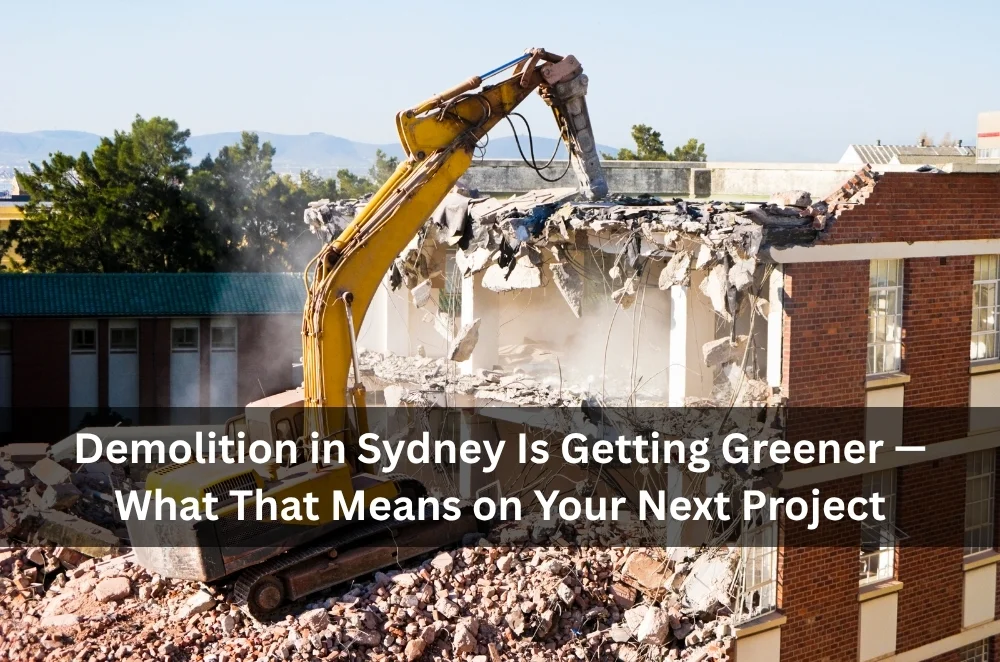
A decade ago, knocking down an old warehouse in Parramatta or a fibro cottage on the Northern Beaches was mostly a matter of hiring an excavator and filling skip bins. In 2026, the ground rules look very different. Tighter state legislation, higher landfill levies and sharper community scrutiny have all pushed demolition firms to lift their game on environmental management.
For developers and builders, the change brings both opportunities and risks. Handle the paperwork and waste streams well and you’re unlikely to run into costly delays. Cut corners and the EPA can stop work before the first wall comes down. Understanding the moving parts — permits, hazardous-material surveys, recycling targets and neighbourhood impact plans — is now essential project due diligence.
Why Compliance Shapes Every Demolition Timeline
Before a single bolt is loosened, crews need clear evidence that the job plan meets federal and state standards on waste diversion, dust suppression, flora protection and noise limits. The approvals maze can look intimidating, but it follows a logical path:
– Identify the materials on site (asbestos, lead paint, treated timber, refrigerants).– Map the disposal or recycling route for each waste stream.– Document how machinery movements will avoid tracking sediment onto public roads.– Show the schedule for noise-intensive works within the allowable hours.
Failing to lodge even one of these details can stall a Development Application for weeks. That is why many project managers lean on experienced demolition contractors who already work to the environmental regulations for site clearance set out by the NSW EPA and local councils.
Re-use Beats Removal: Turning Old Structures Into New Resources
One of the strongest trends since 2024 has been the pivot away from “smash and dump” toward material recovery. Structural steel, hardwood beams and even intact roof tiles often fetch respectable resale prices. More importantly, diverting tonnes of reusable product from landfill slashes tipping fees, which have risen sharply across Greater Sydney.
On a typical brick veneer home, around 60 per cent of the total mass can be recycled if the job is sequenced correctly. That involves:
– Stripping fixtures and fittings by hand before heavy machinery arrives.– Sorting concrete, bricks and roof sheeting into separate piles for on-site crushing or direct haulage to recyclers.– Scheduling bins so that mixed waste is the exception, not the rule.
Apart from reducing costs, a high diversion rate now bolsters the sustainability scorecards many councils request during precinct-scale developments. That score can influence community consultation outcomes and, ultimately, planning approvals.
Navigating Asbestos and Other Legacy Hazards
Sydney’s post-war construction boom left a long asbestos tail. Any building erected before 1990 could hide fibre-cement cladding, pipe lagging or loose-fill insulation. Safe removal demands licensed crews, negative-pressure enclosures and regulated disposal facilities.
Current WorkSafe NSW guidelines require a surveyed register before demolition, not merely a visual check. Turning a blind eye is risky: inspectors regularly issue stop-work notices if asbestos fragments turn up in rubble loads. While specialist removal adds time and cost, lining it up early prevents nasty mid-project surprises.
Other common legacy hazards include:
– Lead-based paint, particularly on decorative timber windows.– PCB-filled transformers in older commercial roofs.– Soil contamination from historic fuel tanks.
Each calls for a tailored remediation plan and, often, separate waste tracking documentation.
Keeping Neighbours on Side
Tighter rules have also expanded the definition of “reasonable amenity”. Dust drifting over a fence or an excavator reversing alarm outside permitted hours can trigger formal complaints. To head off friction, many Sydney demolition teams build a simple community-liaison plan into their method statements:
– Letterbox drops outlining key dates and likely noisy periods.– Fencing mesh to trap dust and debris.– Wheel-wash stations to keep public roads clear.
This proactive approach tends to reduce inspection visits and smooth the path for subsequent construction works, particularly in dense suburbs such as Marrickville or Dee Why.
When Professional Help Pays for Itself
Small builders sometimes wonder if they should self-manage demolition to trim expenses. On straightforward sheds or minor extensions, that can work. On multi-storey or confined urban blocks, though, specialist input usually saves money overall. Accredited contractors carry insurance for structural collapse, have direct accounts with recycling yards and can coordinate selective demolition to preserve heritage façades.
They also own purpose-built plant — high-reach excavators with concrete pulverisers, for example — that can finish jobs days faster than hired standard equipment. Those lost days on the construction schedule often dwarf the demolition subcontract cost difference.
Final Paragraph
Sydney’s development pipeline shows no sign of slowing, but the tolerance for environmental shortcuts is evaporating just as quickly. Aligning your demolition plan with the latest compliance checkpoints keeps projects on track, budgets under control and neighbourhoods supportive of the end result.
FAQs
Do demolition contractors in Sydney need separate permits for asbestos removal?
Yes. Even if a contractor holds a general demolition licence, WorkSafe NSW requires an additional Class A or B asbestos licence for removal work, depending on the material type and quantity.
What percentage of demolition waste must be recycled in NSW?
The state does not mandate a fixed percentage, but many councils set target diversion rates in their conditions of consent. Achieving above 70 per cent is common on metropolitan sites that separate materials correctly.
Can I demolish a house in a bushfire-prone zone during summer?
Possible, but local fire danger periods can impose operating-hour restrictions on machinery that might spark. Always check with the relevant Rural Fire Service district before scheduling.
How long does the average residential demolition take in Sydney?
A free-standing brick home with clear access typically takes five to seven working days, including site clearance and waste removal, assuming no unexpected hazardous materials are found.