Sign up with Google
 Sign in with Zoho

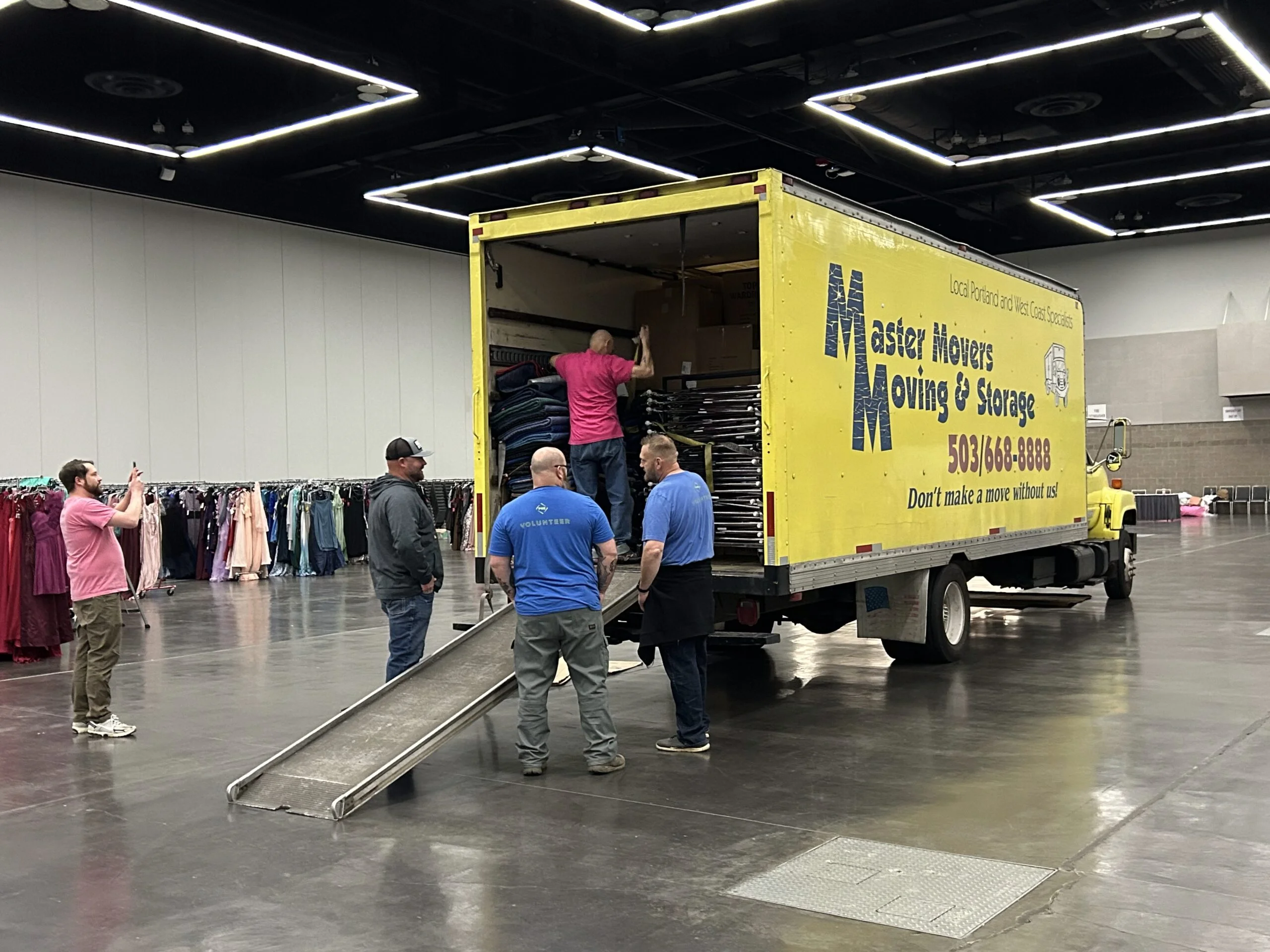
Moving to a new city or state comes with plenty of excitement, but let's be honest — it also brings a mountain of logistics. A long-distance move isn't like shifting a few blocks over. You're not just hauling boxes across town; your belongings might be traveling hundreds, sometimes thousands, of miles. That distance alone changes how much planning goes into things.
The moves that go smoothly almost always start weeks ahead of time. You need room to sort through belongings, compare your options, sort out paperwork, and figure out what actually needs to travel with you. Skip that runway, and you're looking at stress you didn't need — plus costs that tend to creep up when things are rushed. A solid plan keeps you in control of the whole process instead of scrambling at the last minute.
One decision matters more than most: finding reliable long distance movers who can actually get your belongings from point A to point B safely. A good moving company can handle packing, loading, transport, unloading — however much of it you want off your plate. But before you sign with anyone, you need a clear picture of what you actually need, and how different companies stack up against each other.
Start Planning as Early as Possible
Long-distance moves come with a lot of moving parts (pun intended), and they all need to happen in the right order. Starting early is really what keeps the whole thing from feeling overwhelming.
Build yourself a checklist — moving day, utility cancellation dates, your packing schedule, travel plans. Break the big stuff into weekly chunks. Maybe one week's just for going through storage areas, the next for packing things you barely touch day-to-day.
Getting ahead of it also means more flexibility when it's time to book movers. Weekends, summer months, the start and end of each month — these get busy fast. Book early, and you'll have a much better shot at locking in the date you actually want.
Understand the Cost of Your Move
Budgeting isn't optional here. Moving costs swing depending on distance, how much you're bringing, which services you need, and even what time of year you're moving.
Get detailed estimates from moving companies — not just a number, but a breakdown of what's actually included. Things like packing, temporary storage, special handling, or furniture disassembly often cost extra, and you don't want to find that out halfway through.
Worth setting up a separate budget too, for everything outside the moving company's invoice — fuel, hotels, meals on the road, utility deposits, cleaning costs, boxes, tape, all of it.
And keep a little cushion for the unexpected. Something always comes up.
Declutter Before Packing
More stuff means more time, more space, more money spent moving it. So a long-distance move is honestly a pretty good excuse to figure out what you actually want to keep.
Go room by room. Sort into keep, donate, sell, recycle, toss. Be honest with yourself about the furniture, clothes, and appliances you haven't touched in years.
Sometimes the math just doesn't work out — that old dresser might cost more to move across three states than it's worth. If you were already planning to replace something, this is your sign to just let it go now instead of dragging it along.
Decluttering before you pack makes the whole move lighter, literally and mentally, and gets you starting fresh in your new place without excess baggage.
Research Moving Companies Carefully
Don't just compare price tags. Reliability, communication, experience — all of it matters just as much, if not more.
Look into several companies. See what they specialize in, whether they've actually handled long-distance moves before, and whether they can walk you through their process clearly.
Ask the real questions — pickup and delivery windows, payment terms, insurance, hidden fees, and what happens if something shows up damaged or missing. A company worth hiring won't dodge these questions.
And if one quote looks way cheaper than the rest, be careful. Sometimes that low number means something important — insurance, certain fees, specific services — just isn't included.
Know What Should Not Go on the Moving Truck
Not everything belongs on the truck. Hazardous stuff — flammable liquids, certain chemicals, explosives, some household products — is often restricted outright.
And certain things should just stay with you, period. ID documents, financial records, medication, jewelry, electronics, important keys, valuables — keep these in your own hands, not buried in a box on a truck.
Pack yourself an essentials bag too — clothes, toiletries, chargers, snacks, basic cleaning supplies. Anything you'd need for the first day or two before everything else arrives.
This matters even more if your truck ends up arriving after you do.
Pack for a Longer Journey
A long haul puts more strain on your boxes and furniture than a quick move across town ever would. Good packing is what keeps things intact through loading, the drive, and unloading.
Use boxes sturdy enough to actually hold the weight inside them. Don't overstuff — overpacked boxes are harder to carry and more likely to fall apart.
Wrap fragile items properly. Fill the gaps inside boxes so nothing's shifting around during transport.
Label everything — contents, destination room. It sounds small, but it saves so much time when you're unpacking on the other end.
Numbering boxes and keeping a simple inventory list helps too — makes it easy to confirm nothing got left behind.
Prepare Your Furniture
Big furniture needs its own attention. Disassemble what you can — bed frames, tables, shelving — before it goes anywhere.
Keep the screws and small hardware in labeled bags. Nothing worse than reassembling a bed frame and realizing half the hardware's missing.
Protect furniture from scratches and dents with moving blankets, covers, padding — whatever you've got. And snap some photos of your good pieces before the move, just in case you need proof of their condition later.
Plan Your Personal Travel
Don't get so caught up in your stuff that you forget to plan your own trip.
Driving? Map your route ahead of time — where you'll stop for gas, food, maybe an overnight stay. Flying? Know your baggage limits and figure out how you're getting from the airport to your new place.
Traveling with kids or pets adds another layer — pack enough food, water, meds, and entertainment to keep everyone comfortable along the way.
And build in some slack. Delays happen, and a flexible schedule makes them a lot less stressful.
Update Important Information Before Moving
A change of address touches way more than just your mail. Make a list of everyone who needs your new details — banks, insurance, employer, subscriptions, doctors, government agencies, schools, utility providers.
Get utilities set up at the new place before you arrive, too. Electricity, water, internet — ideally all working the moment you walk in.
Handle this ahead of time, and you skip missed bills, service gaps, and mail landing at the wrong address.
Check Your New Home Before Moving Day
Learn what you can about the new place before your stuff shows up. Parking situation, building access, elevator availability, loading restrictions — anything that could slow things down on move-in day.
Apartments and managed communities sometimes require specific entrances, reserved elevators, or restricted moving hours. Better to know that now than find out when the truck's already there.
Also worth measuring doorways, hallways, stairs, and rooms ahead of time — just to be sure your bigger furniture actually fits.
Keep Important Documents Organized
Contracts, receipts, estimates, travel confirmations, IDs — long-distance moves generate a surprising pile of paperwork. Keep it all together, whether that's a physical folder or a digital one.
Read your moving agreement carefully before you sign anything. Know exactly what's included, what you're being charged, and what the delivery terms actually say.
Hold onto your receipts too. They come in handy later, whether you're reviewing costs or sorting out a dispute.
Give Yourself Time to Settle In
The move isn't really over once the last box is off the truck. Settling in takes time, and that's normal.
Start with the rooms you'll use the most — bedroom, bathroom, kitchen. Getting those set up first makes the place feel livable fast.
Don't try to unpack everything in one exhausting day. Set a realistic pace, tackle one room at a time, and actually think through where things should go instead of just shoving them wherever.
Getting familiar with the new area matters too — grocery stores, healthcare, schools, transit options. Give yourself time to learn the neighborhood, not just unpack the boxes.
Final Thoughts
Long-distance moves can feel like a lot, but good preparation changes everything. Start early, budget realistically, cut down on unnecessary stuff, pack it right, and actually vet the companies you're considering — all of that adds up to a much smoother experience.
The moves that go well are the ones where the big decisions get made before moving day, not during it. Give yourself the time to compare, organize, and prepare properly.
With the right plan and the right support behind you, a long-distance move can turn from a stressful ordeal into something surprisingly manageable — leaving you free to actually enjoy settling into the next chapter.