Sign up with Google
 Sign in with Zoho

Dental implants have transformed the way people approach tooth loss, offering solutions that go far beyond cosmetic improvement. For many patients, the decision to explore restorative options is driven by a genuine desire to protect their oral health for the long term. A dentist in Battersea can explain that modern implant techniques do far more than replace missing teeth — they play a meaningful role in preserving jawbone structure, supporting surrounding teeth, and maintaining overall dental health for years to come.
Why Tooth Loss Affects More Than Appearance
When a tooth is lost, the consequences extend well beneath the surface. The jawbone relies on the stimulation provided by tooth roots during biting and chewing. Without this stimulation, the bone gradually begins to resorb — a natural process in which the body withdraws calcium and nutrients from areas it perceives as inactive.
Over time, this deterioration can alter the shape of the face, cause neighbouring teeth to shift, and make future dental treatment considerably more complicated. Addressing tooth loss promptly, rather than leaving gaps untreated, is one of the most important steps a patient can take to protect their long-term oral health.
How Implants Differ from Conventional Restorations
Traditional dentures and bridges have served patients well for generations, but neither option addresses the underlying issue of bone loss. Dentures sit on top of the gum tissue and provide no stimulation to the bone beneath. Bridges rely on adjacent teeth for support, which often requires those teeth to be shaped down — a compromise that can weaken otherwise healthy enamel.
Implants are unique in that they are anchored directly into the jawbone. The titanium post fuses with the surrounding bone through a process called osseointegration, creating a stable and permanent foundation. This integration not only provides strength for day-to-day function but also actively helps maintain bone volume beneath the restoration.
The Role of All-on-Four in Full-Arch Cases
For patients who have experienced significant tooth loss across an entire arch, more extensive solutions are often required. All on four implants have changed the landscape of restorative dentistry by using just four strategically positioned implants to support a complete fixed arch of replacement teeth.
The two posterior implants are placed at an angle — typically around forty-five degrees — to maximise contact with available bone and avoid anatomical structures that can complicate placement in the posterior jaw. This approach often allows patients who might otherwise require bone grafting to proceed with treatment, reducing surgical complexity and shortening the overall timeline considerably.
A Fixed Result That Functions Naturally
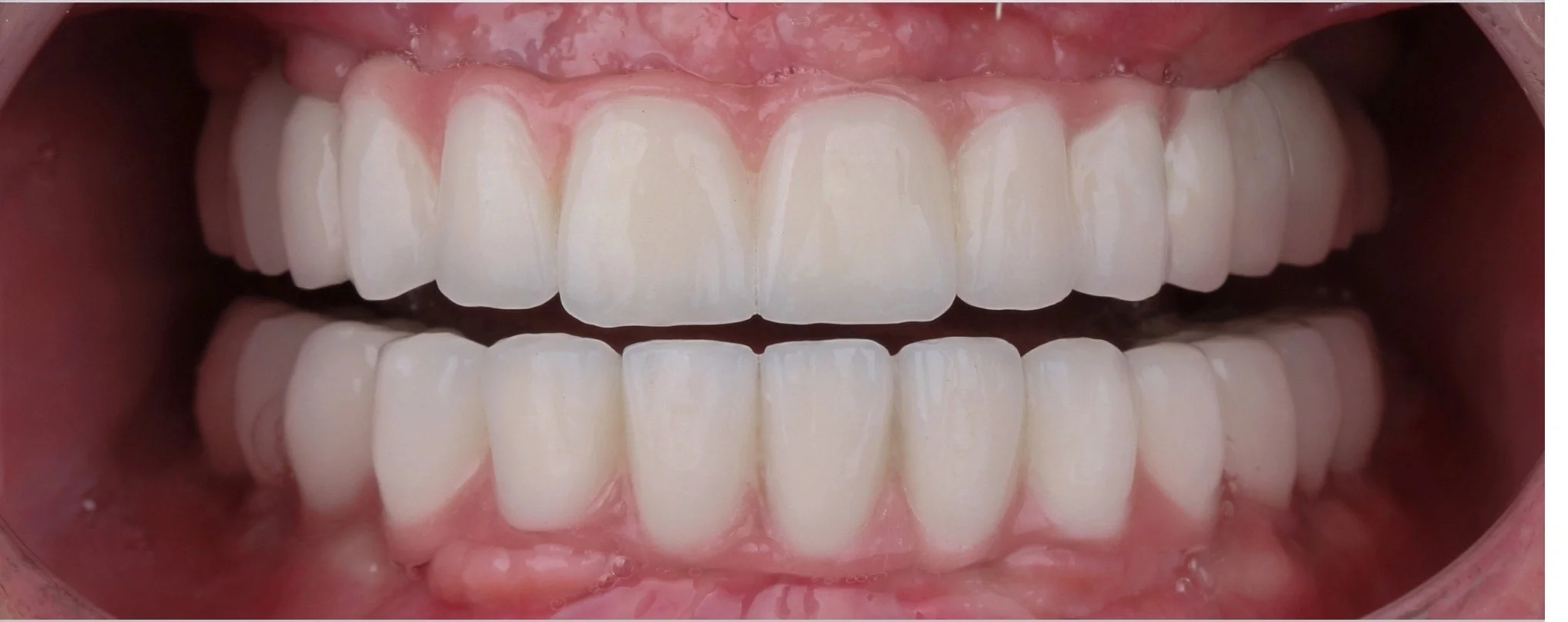
The fixed prosthesis supported by all on four implants does not move during eating or speaking and is designed to closely replicate the appearance and feel of natural teeth. Unlike removable dentures, there is no reliance on adhesives, no discomfort from an ill-fitting base, and no compromise to the patient's confidence during everyday interactions.
Key Benefits That Support Lasting Oral Health
Implant-based restorations offer a range of benefits that contribute to sustained dental wellbeing over time. Ongoing stimulation from the implant post prevents the gradual bone resorption associated with untreated tooth loss. Neighbouring teeth are less likely to drift when gaps are properly restored. Proper occlusion reduces strain on the jaw joint and surrounding musculature. Fixed implant restorations can be cleaned with standard brushing and interdental tools, supporting long-term gum health. By maintaining bone density and tissue integrity, implants also help protect any remaining natural teeth from the consequences of adjacent bone loss.
What a Thorough Assessment Involves Today
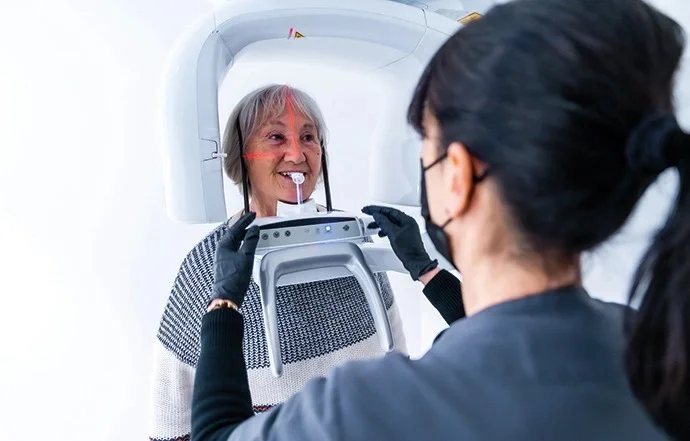
Not every patient is immediately suitable for implants, and a thorough assessment is always the starting point for treatment planning. A dentist in Battersea will carefully evaluate factors such as bone density, gum health, overall medical history, and lifestyle habits, including smoking, as these all influence the long-term success of implant treatment. Modern imaging technology, including cone beam computed tomography (CBCT) scans, provides a detailed three-dimensional view of the jawbone, allowing for precise planning and helping to minimise surgical risks.
Patients who are not immediately suitable because of insufficient bone volume may still be eligible for treatment following preparatory procedures such as bone grafting or sinus lift surgery. These treatments strengthen and rebuild the jawbone, creating a stable foundation for successful dental implant placement and supporting predictable, long-lasting results.
Maintaining Implants for the Long Term
Once implants are in place and fully healed, they require ongoing care to remain healthy. Peri-implantitis — an inflammatory condition affecting the tissue around an implant — is one of the primary risks that patients and clinicians work together to prevent. Good oral hygiene habits combined with regular professional check-ups and cleaning provide the foundation for keeping the gum tissue and bone around each implant in good condition.
Patients should expect to attend routine appointments where the implant sites, prosthetic components, and surrounding structures are carefully assessed. Early identification of any concerns greatly increases the chances of successful intervention and long-term retention of the restoration.

Conclusion
Choosing to pursue dental implants is a decision that benefits from careful consideration and honest clinical guidance. Understanding the full treatment timeline, the recovery period, and the maintenance requirements helps patients approach treatment with realistic expectations. For many people, the shift towards implant dentistry represents a genuine commitment to long-term oral health rather than simply addressing a cosmetic concern. Perfect Smile offers comprehensive implant assessments and restorative treatments, helping patients across the region make informed decisions with the support of experienced clinical teams who understand that every case is unique.