Sign up with Google
 Sign in with Zoho

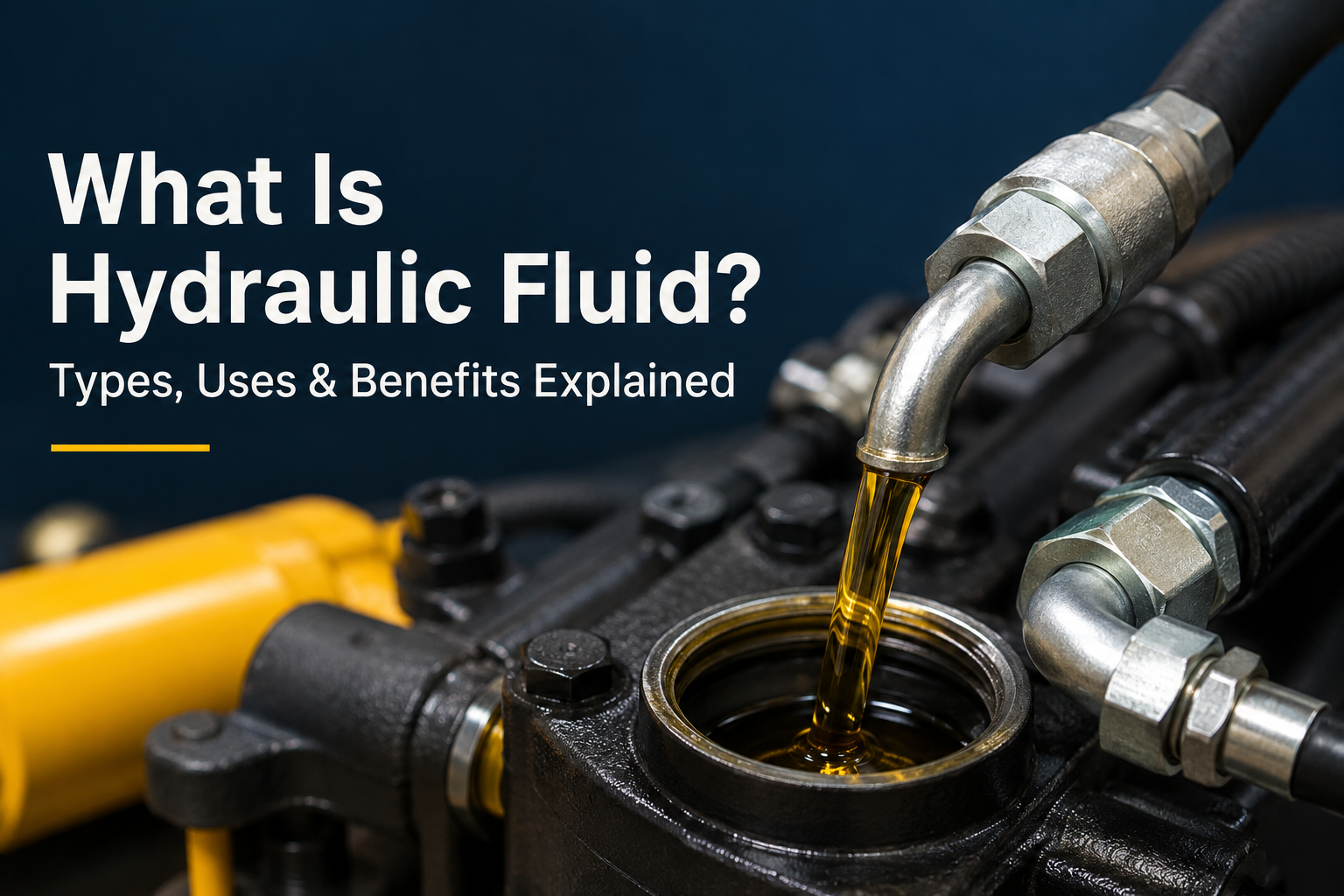
Hydraulic systems are the backbone of many industrial operations, powering everything from manufacturing equipment to construction machinery. However, even the most advanced hydraulic systems can suffer performance issues when contamination enters the system. One of the most critical components in maintaining hydraulic cleanliness is the hydraulic filter element. Understanding common contamination problems and implementing preventive measures can significantly improve equipment reliability, reduce downtime, and lower maintenance costs.
What Is a Hydraulic Filter Element?
A hydraulic filter element is designed to remove contaminants from hydraulic fluid before they can damage pumps, valves, cylinders, and other system components. It acts as a protective barrier, ensuring that only clean fluid circulates throughout the system.
Without proper filtration, contaminants can accumulate, causing premature wear, reduced efficiency, and costly equipment failures.
Common Hydraulic Filter Element Contamination Problems
1. Dirt and Dust Ingress
One of the most common sources of contamination is airborne dirt and dust entering the hydraulic system through damaged seals, open reservoirs, or maintenance activities.
Effects:
- Increased component wear
- Reduced hydraulic efficiency
- Clogged filter elements
- Shortened equipment lifespan
Prevention Tips:
- Keep reservoir covers tightly sealed.
- Use high-quality breather filters.
- Maintain clean working environments.
- Follow proper maintenance procedures.
2. Water Contamination
Water can enter hydraulic systems through condensation, leaking coolers, damaged seals, or improper storage of hydraulic fluids.
Effects:
- Corrosion of metal components
- Reduced lubrication performance
- Oxidation of hydraulic fluid
- Formation of sludge and varnish
Prevention Tips:
- Regularly inspect seals and coolers.
- Store hydraulic oil in dry environments.
- Conduct routine fluid analysis.
- Install water-removal filtration systems when necessary.
3. Metal Particle Contamination
Normal equipment wear generates small metal particles that circulate through the hydraulic system. If not removed efficiently, these particles can accelerate wear and create a destructive cycle.
Effects:
- Abrasive wear on components
- Damage to pumps and valves
- Increased maintenance costs
- Reduced system reliability
Prevention Tips:
- Replace hydraulic filter elements at recommended intervals.
- Monitor fluid cleanliness levels.
- Perform regular equipment inspections.
- Use filtration systems with appropriate micron ratings.
4. Chemical Contamination
Mixing incompatible hydraulic fluids or introducing cleaning chemicals can alter fluid properties and reduce system performance.
Effects:
- Fluid degradation
- Seal damage
- Reduced lubrication effectiveness
- Increased component wear
Prevention Tips:
- Use manufacturer-approved hydraulic fluids.
- Avoid mixing different fluid types.
- Properly flush systems during fluid changes.
- Train maintenance personnel on fluid handling procedures.
5. Filter Element Blockage
Over time, hydraulic filter elements collect contaminants and eventually become clogged. A blocked filter restricts fluid flow and reduces system efficiency.
Effects:
- Increased pressure drop
- Reduced hydraulic performance
- Higher energy consumption
- Potential bypass valve activation
Prevention Tips:
- Follow scheduled filter replacement programs.
- Monitor differential pressure indicators.
- Use high-quality replacement filter elements.
- Conduct routine maintenance inspections.
Signs of Hydraulic Contamination
Operators should watch for warning signs that indicate contamination problems:
- Sluggish machine operation
- Increased operating temperatures
- Unusual noises from pumps
- Frequent filter replacements
- Dark or cloudy hydraulic fluid
- Reduced equipment performance
- Unexpected system failures
Early detection helps prevent costly repairs and extended downtime.
Best Practices for Contamination Control
Maintaining clean hydraulic fluid is essential for long-term equipment performance. Consider the following best practices:
Implement Regular Fluid Analysis
Fluid testing helps identify contamination before serious damage occurs. Monitoring particle counts, moisture levels, and fluid condition provides valuable insights into system health.
Use High-Quality Hydraulic Filter Elements
Selecting premium filter elements improves contaminant capture efficiency and extends equipment life.
Maintain Proper Storage Procedures
Store hydraulic fluids in clean, sealed containers away from moisture and dust.
Establish Preventive Maintenance Programs
Routine inspections and scheduled filter replacements help maintain optimal filtration performance.
Train Maintenance Personnel
Proper handling of hydraulic components and fluids reduces the risk of introducing contaminants during maintenance activities.
Conclusion
Hydraulic contamination remains one of the leading causes of equipment failure in industrial environments. Dirt, water, metal particles, chemical contamination, and clogged hydraulic filter elements can all negatively impact system performance. By implementing effective contamination control practices and using high-quality hydraulic filter elements, businesses can improve equipment reliability, reduce downtime, and lower overall operating costs.
For industries that rely on hydraulic systems, investing in proper filtration is not just a maintenance strategy—it's a critical step toward maximizing productivity and protecting valuable equipment assets.