Sign up with Google
 Sign in with Zoho

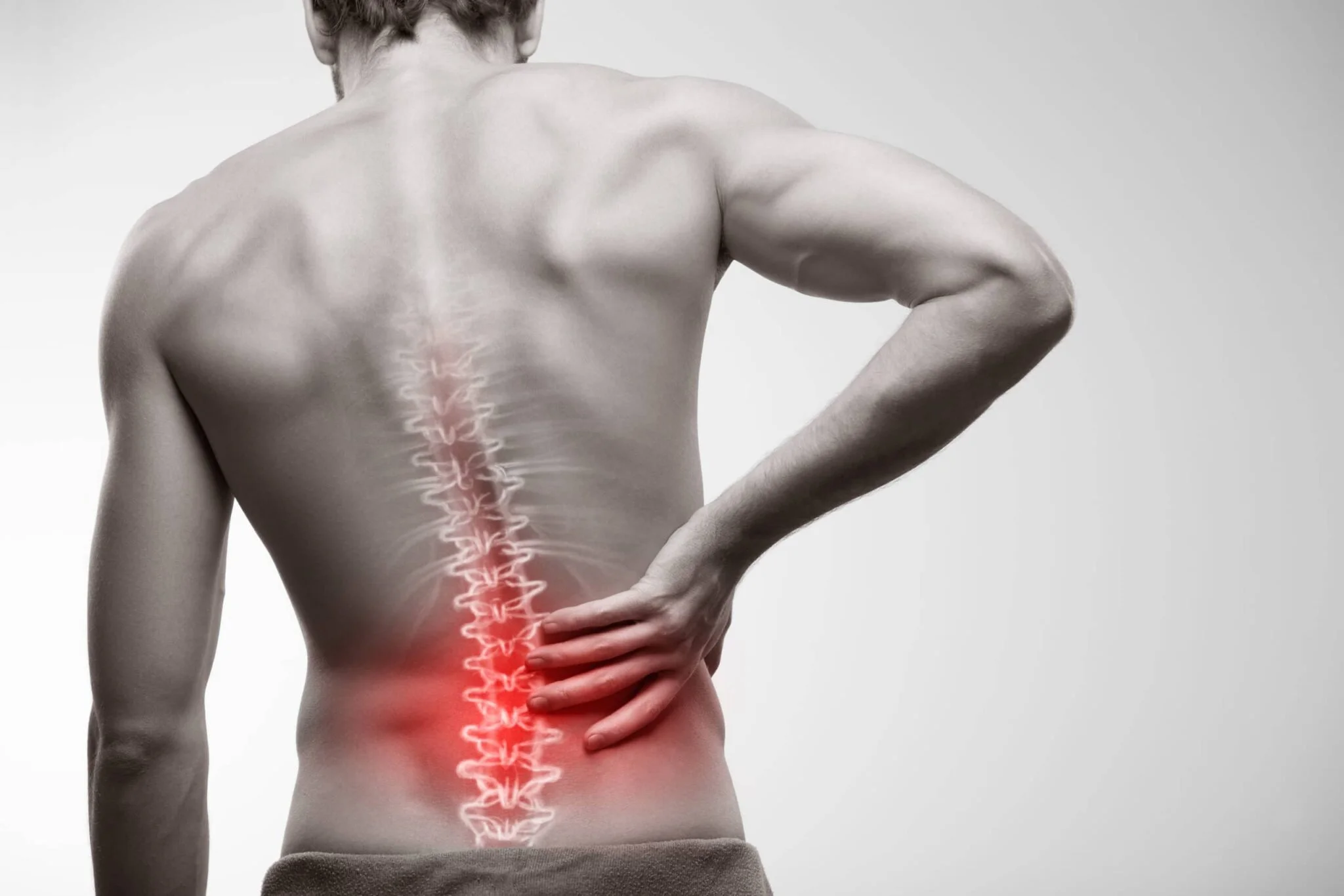
Nobody thinks much about their spinal discs. Then one morning you bend down to tie a shoe and your lower back lets you know it’s there. Those discs are soft pads sandwiched between your vertebrae, and they’ve been taking a beating for decades. Gradually they flatten, dry out and stiffen. Doctors call this degenerative disc disease, which sounds scarier than it is. For plenty of people it’s just wear and tear that happens to hurt.
Non surgical treatment for disc disease usually makes sense as the first move. Aching and stiffness in the neck or low back tend to calm down with conservative care, and surgery is mostly saved for the few cases where nothing else works. Below, I’ll go through why discs wear out, what it feels like, and which options are worth asking about.
What Causes Degenerative Disc Disease?
Each disc works like a cushion. It soaks up pressure so your spine can bend, twist and carry weight without grinding. The trouble is that discs hold a lot of water when you’re young and lose much of it with time, so the cushion gets thinner and less forgiving.
Age gets most of the blame, but it isn’t the whole story. A car accident or sports injury from twenty years back can leave a disc weaker than its neighbors. So can years of repetitive lifting, or hours bent over a desk. Smoking makes things worse because it cuts blood supply to spinal tissue.
And then there’s the odd part. Plenty of people have worn discs on an MRI and feel completely fine. Degeneration doesn’t automatically mean pain.
Common Symptoms and Their Impact on Daily Life
Pain and stiffness lead the list, in the neck or the lower back, and they’re usually worse after long sitting or right after you get out of bed. You may notice you can’t bend as far or twist as easily. Small things get annoying: putting on socks getting out of the car carrying groceries.
Pain from a disk pressing on a nerve can spread into an arm or leg sometimes with tingling or numbness. Weakness in a limb or trouble with bladder or bowel control is something else. Get medical help right away for those.
Non Surgical Treatment for Disc Disease: Options Worth Considering
Most people end up mixing several approaches, because non surgical treatment for disc disease rarely comes down to one magic fix. Here’s what typically makes the list.
Physical Therapy and Exercise
This is usually the backbone of the plan. A therapist can show you which muscles to strengthen, what to stretch, and how to move so your spine isn’t doing all the work.
Chiropractic Care
Where it’s clinically appropriate, adjustments and soft tissue work can loosen stiff segments and ease muscle guarding. A good chiropractor will examine you first and send you elsewhere if your case calls for it.
Spinal Decompression
This uses controlled traction to take some pressure off the discs. Some people feel better after a course of it. The research, though, is limited and mixed, so go in with realistic expectations and ask your provider what they’ve seen.
Heat, Cold and Medication
Ice helps with a flare-up. Heat helps with tight muscles. Pain relievers can take the edge off for a while, but check with a doctor or pharmacist first, particularly if you already take other medication.
Staying Active, Sensibly
A day or two of taking it easy is fine. Weeks on the couch isn’t. Keep walking, skip whatever clearly aggravates it, and build back up slowly.
Lifestyle Changes That Support Spine Health
What you do between appointments is, like really important. Walking , swimming or cycling keeps the muscles around your spine working and it helps without that constant pounding on the joints. You should bend at the knees and keep the load close to your body when you lift a heavy load too. People get hurt when they're twisting while carrying.
Desk job ? Every half hour or so stand up even if for a minute. Ensure your screen is at eye level and your feet are flat in your chair.
Extra body weight adds load to the lower back, and smoking, as mentioned, starves the discs. Sleep matters too. A mattress that supports you and a pillow that doesn’t crank your neck sideways can change how stiff you feel in the morning.
How to Choose the Right Treatment Plan
Picking the right non surgical treatment for disc disease is not something you can do from a list online. It depends on your symptoms your medical history what your job demands and what you want to get back to doing That means a real assessment first. be skeptical of anyone who promises a cure and stay with providers who explain what they find set honest goals and change the plan if it isn’t working.
If you live near Alexandria Virginia, Makda Chiropractic Health Center builds individual plans for disc-related pain drawing on spinal decompression adjustments and rehab exercises.
Conclusion: Taking a Conservative Approach to Disc Care
Care won’t make your discs young again. But non surgical treatment for disc disease can ease the pain, get you moving more freely and let you do the things you’ve been avoiding. Expect gradual progress, with a few bad days along the way. If your symptoms have hung around for weeks, book an evaluation and start there.