Sign up with Google
 Sign in with Zoho

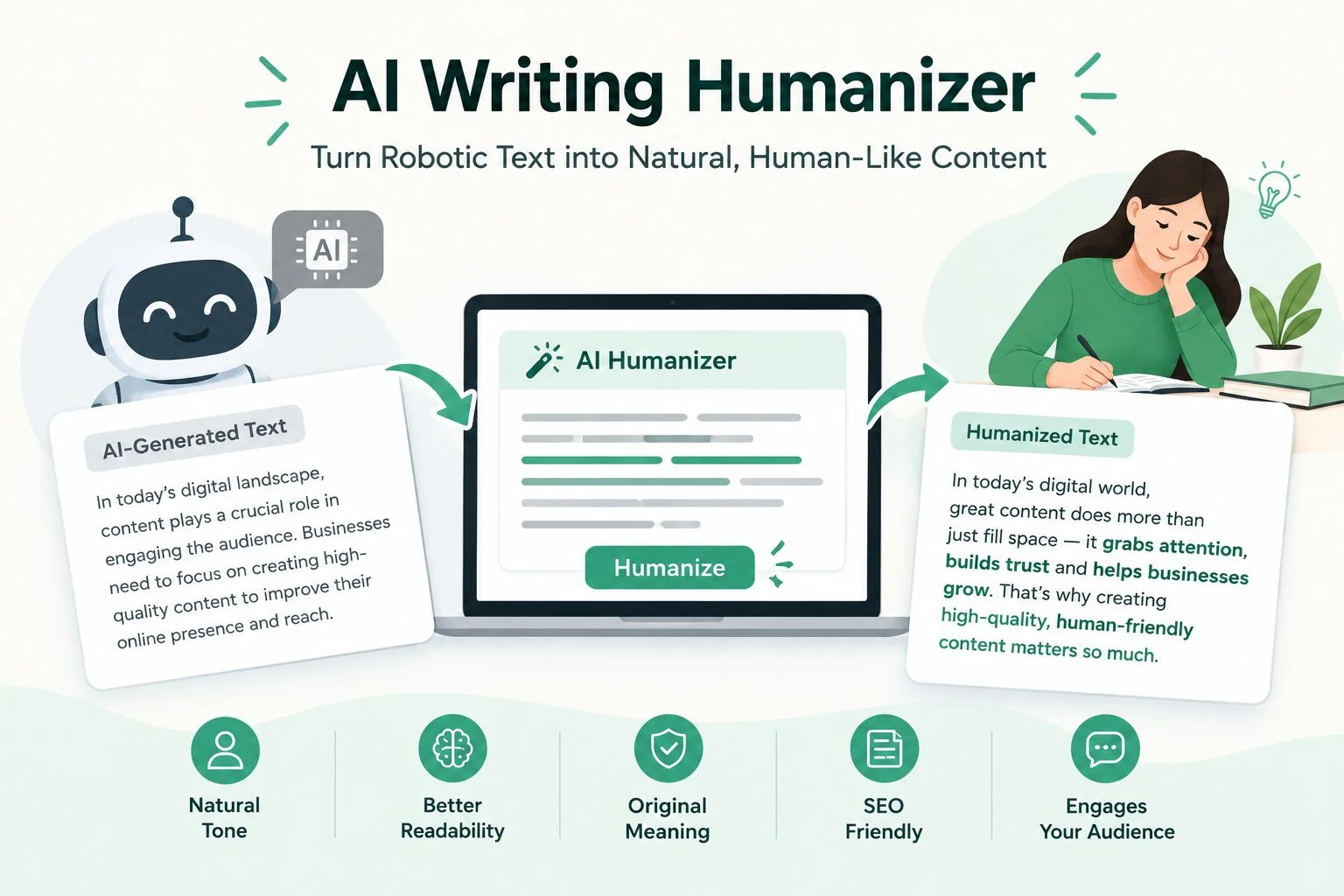
Have you ever read an article and felt that something was missing, even though every sentence seemed correct? That happens quite often with AI-written content. The words make sense, the grammar is fine, but the writing can still feel a little distant. It might explain the same point twice or use phrases that people rarely say in everyday conversations.
This does not mean AI writing is always bad. It can be a useful starting point when you have an idea but do not know how to put it into words. The problem usually begins when a draft is published without much editing. A little time spent improving the wording can make the article easier to read and more enjoyable for the people it was written for.
What Makes Some AI-Written Articles Feel Unnatural?
One thing I notice in many AI-generated drafts is that they sometimes use too many words to explain a simple idea. A sentence that could be short and direct becomes a long explanation. After a few paragraphs, the reader may feel as though the article is going in circles.
Real people do not always explain things in perfectly balanced paragraphs. Sometimes they give an example, sometimes they make a short observation, and sometimes they explain something in a few simple words. That variety helps writing feel less mechanical.
How Can You Make a Draft Sound More Natural?
The first thing I would do is read the draft slowly and remove anything that does not need to be there. If a sentence sounds unnecessarily complicated, try saying the same thing in the way you would explain it to a friend.
For example, instead of writing, “It is important to make use of effective planning methods to improve productivity,” you could simply say, “Planning your day can help you get more done.”
The second version is not trying too hard. It gets to the point, and most readers will understand it immediately.
You should also look for repeated ideas. If one paragraph explains why clear writing matters, the next paragraph should add something useful rather than repeat the same message with different words.
Most importantly, do not change sentences just for the sake of changing them. If a sentence already sounds good, leave it alone.
When Can an AI Writing Humanizer Be Useful?
Sometimes you know what you want to say, but the wording does not feel right. Maybe the introduction sounds stiff, a few sentences are difficult to follow, or the article has too many repeated expressions. In these situations, an AI Writing Humanizer can help you explore a different way of expressing the same idea.
Think of it as another editing option rather than a replacement for your own judgment. You can use the revised version, change a few words yourself, or keep your original sentence if it works better.
For example, a product description might contain a long explanation about how a feature improves the user's experience. A simpler version could explain what the feature actually does and why someone might find it useful.
That is the kind of improvement worth looking for. The goal is not to make the text sound different just because it was written with AI. The goal is to make it clear and useful.
Why Should You Keep Your Own Ideas in the Article?
A piece of writing becomes more interesting when it includes details that actually help explain the subject. General statements can introduce a topic, but they are rarely enough to make an article memorable.
Small, relevant details make advice easier to understand. They also help you avoid filling an article with sentences that sound reasonable but do not offer much value.
If you use AI to prepare a first draft, bring your own knowledge into the editing process. Check the examples, add information you genuinely know, and remove anything that does not fit the topic. Never invent personal experiences just to make an article sound more human.
Does Every Article Need to Sound Casual?
Not at all. The way you write depends on who will read your content. An email to a customer may need a friendly tone, while a technical guide needs precise explanations. A personal blog can sound conversational without becoming careless.
When editing, imagine the person who will read the article. What are they trying to learn? Which parts might confuse them? Are you explaining something useful, or are you simply adding more words?
Those questions are often more helpful than trying to follow a fixed formula for natural writing.
How Do You Know When the Article Is Ready?
Once you have finished editing, take a short break and read the article again. You may notice awkward sentences that seemed fine when you first wrote them.
Pay attention to the opening. Does it introduce the topic in a way that makes sense, or does it take too long to get to the point? Check the middle sections for repetition, and make sure the ending adds a useful final thought instead of repeating the introduction.
It is also worth checking the facts. A sentence can sound perfectly natural and still be wrong. If the article includes figures, instructions, or claims about a product, make sure they are accurate before publishing.
Tools such as can be part of your editing process, but you should always decide which changes actually improve your writing.
Frequently Asked Questions
Why does AI writing sometimes feel repetitive?
AI-generated drafts can repeat similar ideas or use the same sentence patterns several times. Reading the article as a whole helps you spot these problems and remove unnecessary wording.
Can I make AI writing sound natural without changing everything?
Yes. You may only need to simplify a few sentences, improve the transitions, or remove repeated points. Keep the parts that already work well.
Is simple writing better than complicated writing?
Simple writing is often easier to understand, but the right choice depends on the topic. Technical subjects sometimes need specific terms and detailed explanations.
Should I add personal experiences to every article?
No. Personal experiences are useful when they are genuine and relevant. If you do not have a suitable experience to share, a clear example or practical explanation can work just as well.
Can an AI writing humanizer fix every problem in an article?
No. It may help with wording and readability, but it cannot guarantee that the information is accurate, useful, or appropriate for every reader. Human review remains important.
What is the easiest way to improve a first draft?
Start by removing repeated ideas and rewriting sentences that feel difficult to understand. Then check the structure, verify the facts, and read the complete article one more time.
Final Thoughts
Good writing does not have to sound impressive in every sentence. It needs to make sense, explain something useful, and respect the reader's time.
AI can help when you are stuck or need a first draft, but you do not have to accept everything it produces. Change the awkward parts, keep the good ones, and add details that genuinely help explain your subject.
Sometimes the best edit is simply removing a few unnecessary words. When an article sounds clear and feels easy to read, there is no need to make it more complicated than it needs to be.