Sign up with Google
 Sign in with Zoho

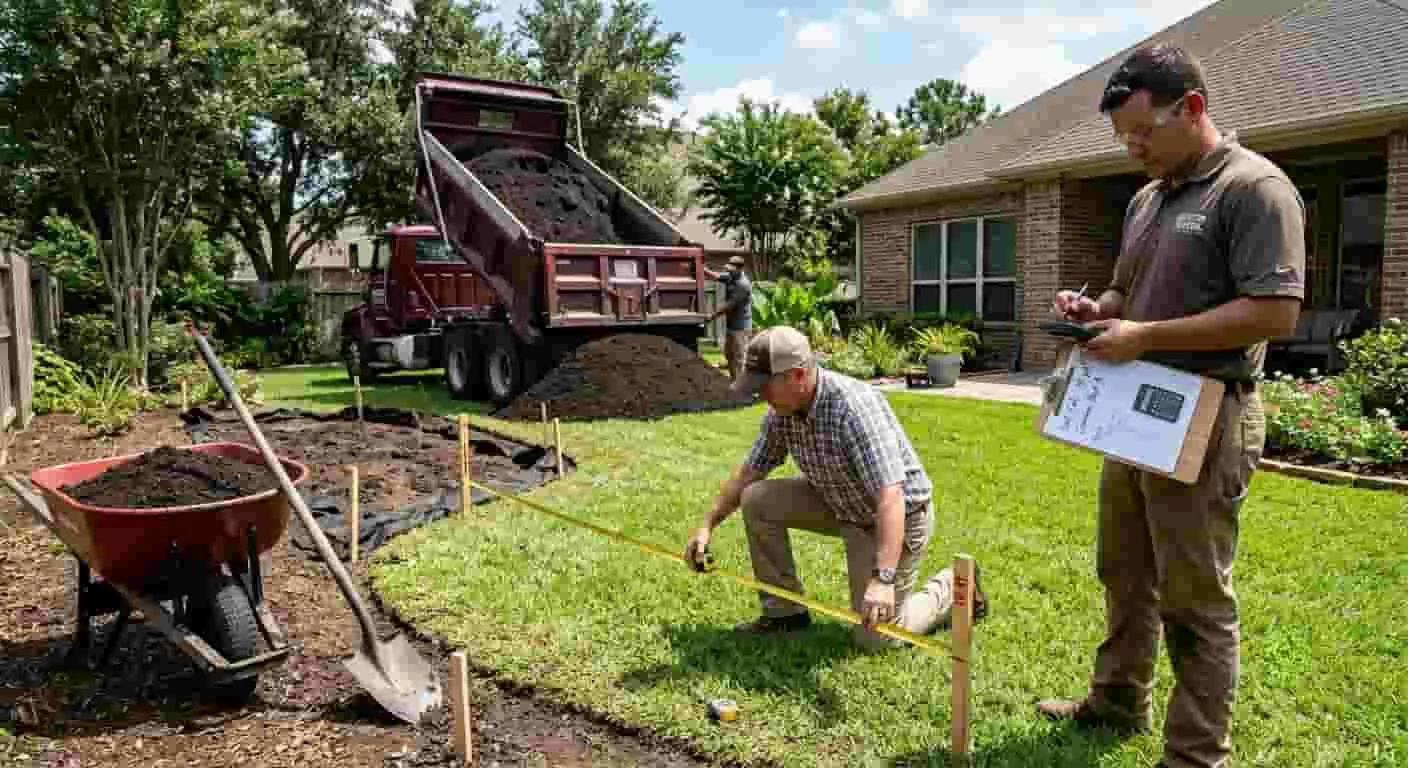
Choosing sod for Houston heat is one of the biggest lawn decisions you will make. The wrong grass burns out by August. The right grass stays thick and green.
I have seen new lawns thrive and fail on the same street. Luck rarely explains the difference. Grass type, soil prep, and watering do.
This guide explains sod for Houston heat from start to finish. You will learn which grasses cope best, how to install them, and how to care for them through summer.
Why Houston Heat Is Hard on Lawns
Houston summers are long, hot, and wet. Highs sit in the 90s for months. Humidity keeps the air heavy and keeps lawn disease active.
Three things hit lawns the hardest:
- Heat: High temperatures dry out grass blades and stress the roots.
- Clay soil: Much of Houston sits on heavy clay. Clay holds water after storms, then cracks during dry spells.
- Sudden rain: Storms drop a lot of water fast. Poor drainage leads to root rot.
These factors explain why sod for Houston heat needs careful selection. Heat tolerance matters, but drainage and disease resistance matter too.
Best Types of Sod for Houston Heat
Warm season grasses do best here. They grow fast when temperatures climb and rest in winter. Cool season grasses struggle in Houston summers and rarely last.
Four warm season grasses are worth knowing.
St. Augustine
St. Augustine is the most common lawn grass in Houston. It has wide blades and spreads by runners. It handles humidity well and tolerates shade better than most warm season grasses.
- Best for: Yards with a mix of sun and shade
- Watch out for: Chinch bugs and steady water needs
- Mowing height: About 3 to 4 inches
Varieties differ in shade and pest tolerance. Ask your supplier which ones perform best in your area.
Bermuda
Bermuda loves full sun. It thrives in heat, handles dry spells, and recovers quickly from foot traffic. It struggles in shade.
- Best for: Open yards, play areas, and sunny lots
- Watch out for: Frequent mowing and thinning in shade
- Mowing height: About 1 to 2 inches
Zoysia
Zoysia forms a dense, soft lawn. It handles heat and tolerates moderate shade. It grows slowly, so you mow less, but it also recovers slowly from damage.
- Best for: Homeowners who want a thick, soft lawn
- Watch out for: Higher cost and slow establishment
- Mowing height: About 1.5 to 2.5 inches
Centipede
Centipede is a low maintenance grass. It prefers acidic, sandy soil. Many Houston yards have alkaline clay, so it can struggle. Test your soil before you choose it.
How to Match Grass to Your Yard
When you compare sod for Houston heat, start with how much sun your yard gets. Then look at soil and how much work you want to do.
- Full sun yard: Bermuda is a strong pick.
- Mixed sun and shade: St. Augustine fits best.
- Thick, soft lawn: Zoysia delivers that look.
Sod vs Seed in Houston
Seed costs less, but it grows slowly. Heavy rain can wash seed away before it sprouts. Birds and heat can also wipe out a seeded lawn before it takes hold.
Sod gives you an instant lawn. It holds soil in place during storms and blocks many weeds. It also lets you walk on the yard sooner.
Most St. Augustine varieties only come as sod. That is one more reason homeowners pick sod for Houston heat over seed.
How to Choose Quality Sod
Not all sod is equal. Good sod gives you a head start. Poor sod gives you a long summer of problems.
Look for these signs of quality:
- Fresh cut: Sod should be cut within a day of delivery.
- Green color: Yellow or brown patches signal stress.
- Strong roots: Roots should hold the soil together when you lift a piece.
- Even thickness: Each slab should match the others.
- Clean surface: Avoid sod with weeds, bare patches, or pests.
- Cool and moist: Hot, dry, or sour smelling sod has sat too long.
Never leave pallets in the sun. Heat builds up inside the stack and damages the grass fast. Good sod for Houston heat arrives fresh, green, and ready to lay the same day.
Prepare Your Soil First
Soil prep matters more than most people expect. Sod roots need loose soil to dig into. Hard, packed ground keeps roots shallow and weak.
Follow these steps before the sod arrives:
- Clear the area: Remove old grass, weeds, rocks, and debris.
- Set the grade: Slope the ground away from your foundation.
- Loosen the soil: Till the top 4 to 6 inches.
- Add amendments: Mix compost or quality topsoil into heavy clay.
- Level and smooth: Rake the surface flat and fill low spots.
Clay soil holds water and packs hard. Compost and topsoil loosen it and help roots spread. Healthy soil directly affects how well sod for Houston heat survives its first summer.
Best Time to Lay Sod in Houston
Warm season grasses root fastest in warm soil. Late spring is the sweet spot. Soil is warm, and spring storms help with watering.
You can lay sod in summer too. You just need to water more often and more carefully. Fall installs work, but roots grow slowly before winter slows everything down.
Avoid laying sod during a frost. Also avoid laying it in the hottest week if you cannot water on schedule. Timing affects how well sod for Houston heat takes root.
How to Install Sod Step by Step
Good installation protects your investment. Take your time and work in the cool part of the day.
- Start along a straight edge, such as a driveway or sidewalk.
- Lay each slab tight against the last one.
- Stagger the seams like bricks to prevent gaps.
- Trim edges with a sharp knife.
- Press the sod down with a roller so roots touch the soil.
- Water the lawn right away.
Do not stretch or overlap pieces. Gaps dry out and turn brown. Tight seams protect sod for Houston heat from drying at the edges.
How to Water Sod in Houston Summers
Water is the biggest factor in new sod success. Fresh sod has no roots in the ground yet. It cannot find water on its own.
Use this schedule as a guide:
- First week: Water daily. On very hot days, water twice. Keep the soil underneath moist.
- Weeks two and three: Water less often but deeper as roots grow.
- After rooting: Water deeply once or twice a week, based on rain.
Lift a corner to check for roots. If the sod resists, roots have started to grip the soil.
Water in the early morning. Less water evaporates, and the grass dries during the day. Avoid evening watering in Houston humidity. Wet grass overnight invites fungus.
Do not overwater either. Soggy soil rots roots. Check local watering rules too, since cities sometimes limit when you can run sprinklers. Smart watering decides how well sod for Houston heat performs.
Mowing and Feeding Your New Lawn
Wait to mow until the sod has rooted. This usually takes 2 to 3 weeks. Tug on a slab. If it holds, you can mow.
Follow these mowing habits:
- Keep blades sharp: Dull blades tear grass and invite disease.
- Cut high in summer: Taller grass shades the soil, and shaded soil stays cooler.
- Follow the one third rule: Never cut more than a third of the blade at once.
- Mow when dry: Wet grass clumps and cuts unevenly.
Feed the lawn after it establishes. Use a slow release fertilizer made for warm season grass. Skip fertilizer when the lawn is under drought stress. Taller grass protects sod for Houston heat by keeping the roots cool.
Common Heat Problems and Fixes
Even a good lawn faces trouble in Houston. Spot problems early, and fixes stay simple.
- Chinch bugs: They thrive in hot, sunny areas. Their damage looks like dry patches that do not improve with water.
- Brown patch and fungus: Humid weather and wet leaves feed these diseases. Water in the morning and avoid heavy nitrogen in summer.
- Drought stress: The lawn turns gray green, and footprints stay visible. Water deeply when you see this.
- Weeds: A thick lawn crowds out most weeds. Pull the rest by hand or treat them early.
Strong roots help turf recover from stress. Healthy sod for Houston heat bounces back faster after a rough week of weather.
Mistakes to Avoid
Most failed lawns come from a handful of repeat errors:
- Choosing a sun loving grass for a shady yard
- Skipping soil prep
- Laying sod over old grass
- Overwatering or underwatering in the first weeks
- Mowing too short in summer
- Letting sod sit on the pallet for days
Avoid these mistakes, and sod for Houston heat will reward you with a thick, green lawn.
Conclusion: Picking Sod for Houston Heat
A lawn that survives Houston summers starts with smart choices. Match the grass to your sun, soil, and routine. Prepare the ground, install it tight, and water with care.
If you are planning a new lawn, the right sod for Houston heat can stay green through the hottest months. Start with the right grass, and the rest gets much easier.