Sign up with Google
 Sign in with Zoho

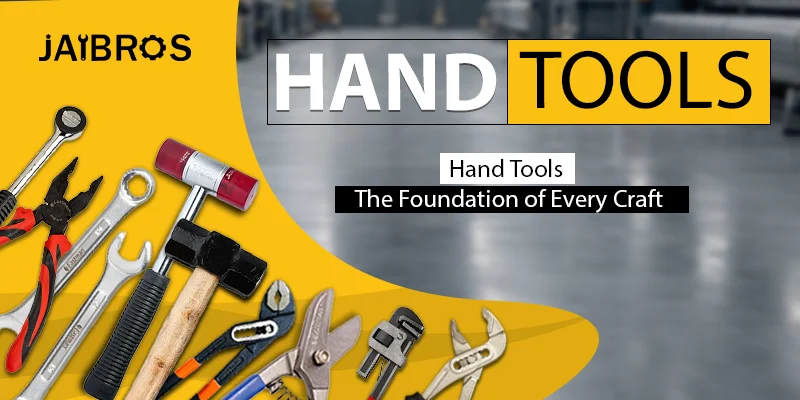
However, the acquisition of hand tools does require some investment, which should never be too costly. While some people consider buying the most expensive tool the only way to ensure the success of their work, others go for the cheapest tool in order to save money. Neither of the two ways may bring desired results since choosing a suitable tool depends on certain factors – needs, frequent use, and durability of a particular tool. It becomes necessary to know your needs when choosing a hand tool and not listen to commercials and deals.
Indeed, nowadays there are lots of types of hand tools that are manufactured from different materials and have various characteristics, which might confuse any buyer. Instead of concentrating on the price of the product, one should concentrate on the quality, convenience, and worth of money.
Understand Your Requirements Before Buying
The first step in making a smart purchase is identifying the work you actually perform. Buying equipment without a clear purpose often results in wasted money because many products remain unused.
Ask yourself the following questions before making a decision:
- Will you use the tool every day or occasionally?
- Is it for home repairs or professional work?
- Do you require precision or heavy-duty performance?
- Will you need multiple sizes or only one?
A homeowner fixing small household issues does not require the same quality level as a technician working daily. Choosing according to your workload helps you spend wisely instead of paying for features you may never use.
Pay Attention to Material and Build Quality
The material used in manufacturing directly affects durability, strength, and overall performance. Instead of choosing products based only on appearance, understand what they are made from.
Some common materials include:
- Carbon Steel: Affordable and suitable for light applications.
- Chrome Vanadium Steel: Strong, corrosion-resistant, and widely used for professional work.
- Chrome Molybdenum Steel: Designed for demanding jobs requiring high impact resistance.
Well-manufactured industrial hand tools generally provide better strength and a longer service life. However, if your projects are occasional, investing in premium-grade products may not always be necessary.
Apart from the material, inspect the finish, moving parts, joint alignment, and grip quality. Small details often reveal the overall manufacturing standard.
Choose Comfort Over Fancy Features
Many buyers focus on extra features while ignoring ergonomics. A comfortable design improves control, reduces fatigue, and allows safer operation.
Look for:
- Soft, non-slip handles
- Balanced weight
- Smooth operating mechanism
- Comfortable grip size
- Durable protective coating
Using comfortable hand tools for long periods improves efficiency and minimizes strain on your hands and wrists.
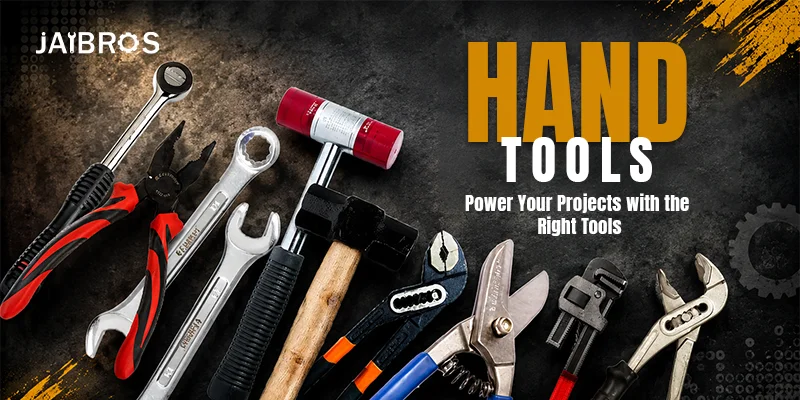
Another factor to consider is storage. Instead of purchasing oversized collections, start with the equipment you genuinely require. A basic hand tool kit containing essential items such as pliers, screwdrivers, adjustable wrenches, measuring tape, and a hammer is often enough for everyday repair and maintenance work.
Compare Value Instead of Price
A lower price may look attractive initially, but replacing poor-quality equipment repeatedly often costs much more over time. Rather than comparing price tags alone, evaluate the overall value offered by each product.
Before buying, compare:
- Manufacturing quality
- Warranty period
- Corrosion resistance
- Replacement availability
- Brand reputation
- Customer reviews
Reading verified reviews helps identify common problems that may not appear in product descriptions.
If you prefer shopping through hand tools online, always compare detailed specifications instead of relying only on product images. Trusted sellers usually provide accurate material information, warranty coverage, and genuine customer feedback, making it easier to select products confidently.
Think Long-Term Before Spending
Good buying decisions are based on future requirements as well as current needs. Consider whether upcoming projects may require stronger or more versatile equipment. Purchasing slightly better quality today often reduces replacement costs later.
Simple maintenance also plays a major role in extending product life.
Follow these basic practices:
- Clean after every use.
- Remove dust and moisture.
- Apply light lubrication when needed.
- Store equipment in a dry place.
- Inspect regularly for signs of wear.
Proper maintenance protects your investment and keeps equipment performing efficiently for years.
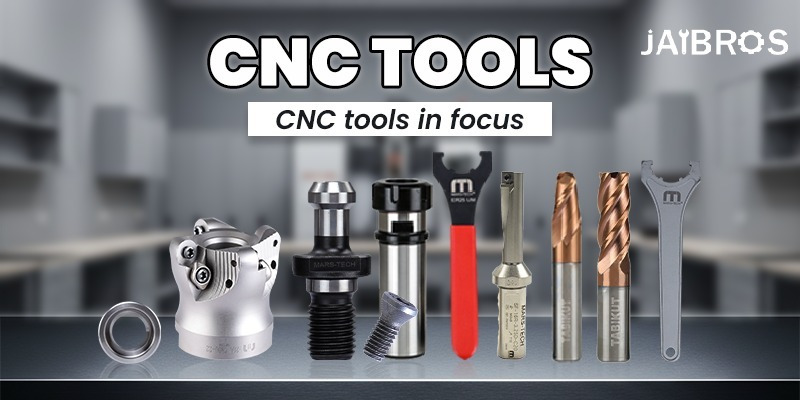
Contemporary workshops are also a combination of manual and automatic equipment. Even though cnc tools take care of all precision machining work, manual tools are still needed for assembly, inspection, adjustment, and repair jobs. The same applies to cnc tools; the type that needs to be used should be based on material and application compatibility.
In case you plan to purchase hand tools online, make sure that you shop around among various sellers prior to your purchase decision. This is an effective way to avoid buying fake and low-quality tools.
Common Mistakes to Avoid
Many buyers waste money because they overlook basic purchasing principles.
Avoid these mistakes:
- Buying oversized tool collections without planning.
- Choosing products only because they are inexpensive.
- Ignoring handle comfort and ergonomics.
- Skipping warranty information.
- Purchasing unfamiliar brands without research.
- Forgetting future maintenance requirements.
- Buying products based only on advertisements.
Avoiding these errors helps you build a reliable collection while keeping your budget under control.
Conclusion
The selection of the appropriate hand tool has nothing to do with investing too much cash on such items. It is a question of acquiring tools that will meet your needs and serve well throughout the time. Taking into account all the factors mentioned above will give you a chance to make more rational decisions and spend less cash without compromising productivity. In addition, careful research will help avoid any unnecessary purchases. If you want to acquire a good toolkit or replace old tools, then it is better to think twice before you spend your money. At jaibros, we believe that an informed buyer makes wise decisions.
FAQs
1. How do I choose the right tool for my project?
Identify your application, frequency of use, and required durability before making a purchase.
2. Is an expensive tool always better?
No. The best choice depends on quality, material, and how you plan to use it.
3. Should beginners buy complete tool sets?
A basic collection covering essential repair tasks is usually enough to start.
4. What should I check before buying online?
Review specifications, warranty, seller ratings, and verified customer reviews.
5. How can I make my tools last longer?
Clean them after use, store them properly, and perform regular maintenance to prevent damage.