Sign up with Google
 Sign in with Zoho
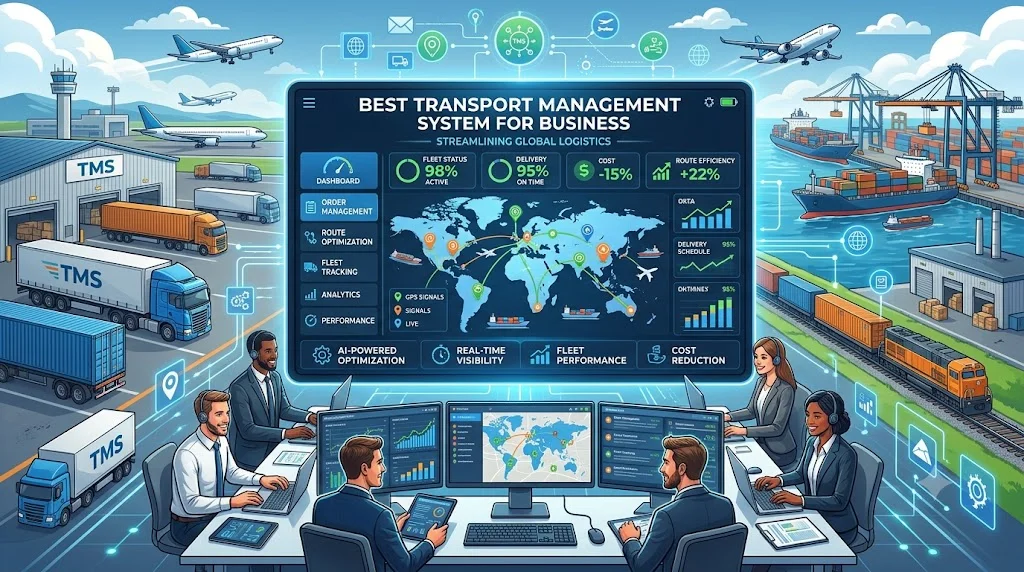
India's transportation management system market generated roughly ₹950 crore in revenue in 2025 and is projected to grow at a compound annual rate of over 20% through the next several years, according to Grand View Research. That kind of growth doesn't happen because businesses are chasing a trend. It happens because manual, spreadsheet-driven logistics operations have genuinely stopped scaling with the complexity of modern freight and delivery demands. A proper transport management system has become the infrastructure that separates businesses managing that complexity smoothly from those constantly firefighting.
This guide covers what a transport management system actually needs to include, how the major components fit together, and what to look for when evaluating a platform for your own logistics operation.
Why Transport Management Has Outgrown Manual Processes
The core driver behind rising TMS adoption in India is straightforward: e-commerce growth, expanding supply chains, and rising customer expectations around delivery speed have made manual coordination genuinely unsustainable at scale. Freight and order management alone represents the largest single segment of TMS spending, reflecting just how much of daily logistics work still involves coordinating who ships what, when, and through which carrier.
A transport management system exists to bring every part of that coordination, planning, execution, tracking, billing, and compliance, into one connected platform rather than a patchwork of spreadsheets, phone calls, and disconnected software tools.
The Core Components Every Transport Management System Should Cover
A genuinely complete TMS brings together several interconnected capabilities rather than specializing narrowly in just one function.
Fleet Visibility and Compliance
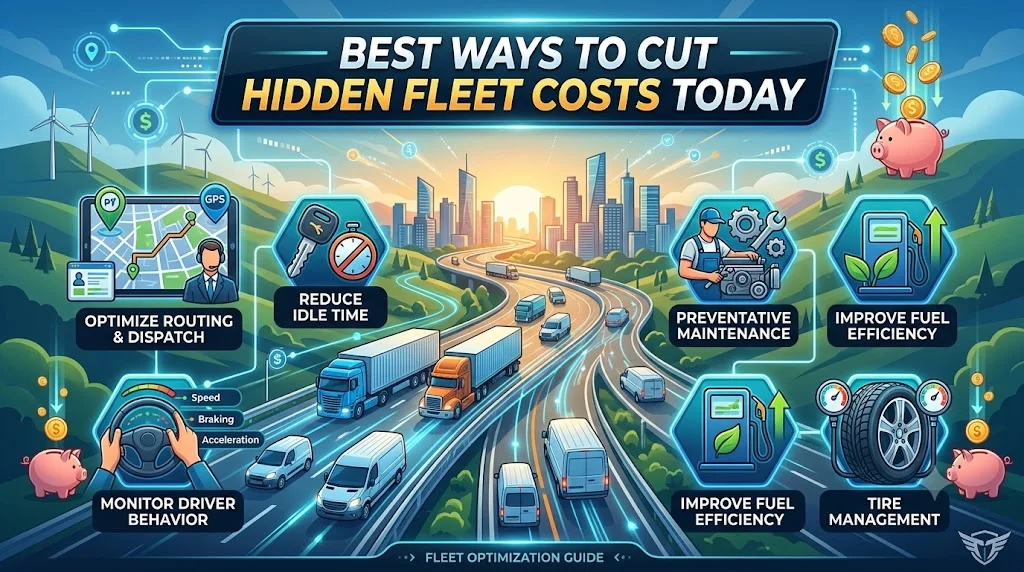
At the foundation, a system needs comprehensive fleet management capability, covering GPS tracking, driver safety monitoring, fuel efficiency, and automated alerts for compliance documents like permits, insurance, and fitness certificates before they expire.
Full Truckload Operations
For dedicated, high-priority shipments, FTL management needs to handle route optimization, cost tracking per trip, and coordination from dispatch through delivery confirmation as a single, closely monitored operation.
Part Truckload and Shared Freight
Since not every shipment justifies a full truck, PTL management capability lets businesses consolidate smaller shipments cost-effectively while maintaining individual tracking and accurate billing for each consignment sharing space.
Real-Time Shipment Tracking
Modern logistics customers expect continuous visibility, not periodic updates, which is why real-time tracking has become a baseline expectation rather than a premium feature within any serious TMS.
Specialized Capabilities That Set Complete Platforms Apart
Beyond the core functions, a few additional capabilities separate a genuinely comprehensive transport management system from a basic tracking tool.
Competitive Freight Procurement
Rather than negotiating rates one phone call at a time, auction management software creates structured, competitive bidding among multiple transporters, helping businesses secure better rates through genuine competition.
E-Commerce and Last-Mile Delivery
Given how much of India's logistics growth is driven by online retail, e-commerce delivery management needs to handle order consolidation, route planning, and the specific last-mile challenges of India's dense urban environments.
Oversized and Specialized Cargo
For businesses moving heavy machinery, wind turbine components, or other a TMS needs to support the specific permit tracking, route survey documentation, and specialized vendor sourcing this category demands.
Billing and GST Compliance
Since Indian transport billing involves specific GST rules, GTA classification, and E-Way Bill requirements, integrated billing tools like invoicing directly to delivery confirmation, generating GST-compliant invoices automatically rather than requiring separate manual processing.
How These Components Work Together in Practice
The real value of a transport management system shows up in how these pieces connect rather than any single feature in isolation.
From Sourcing to Delivery in One Flow
A load gets sourced through competitive bidding, assigned to the right vehicle based on fleet availability, tracked in real time from pickup to delivery, and automatically billed the moment proof of delivery is captured, all within the same connected system.
Compliance Data Flowing Automatically
Rather than treating GST invoicing, E-Way Bill generation, and vehicle compliance as separate manual tasks, an integrated platform generates and cross-checks this documentation from the same underlying shipment data, eliminating the mismatches that come from manual re-entry.
One View Across Every Shipment Type
Whether a business is running dedicated full truckloads, consolidated part truckload freight, or last-mile e-commerce delivery, a complete TMS provides consistent visibility across all of it rather than requiring separate tools for each shipment category.
What to Look for When Evaluating a Transport Management System
A few practical criteria help separate genuinely capable platforms from ones that look complete on a features list but fall short operationally.
Built for Indian Regulatory Requirements
GST rules, state-specific permits, and AIS-140 tracking mandates all vary in ways that generic, internationally built software often struggles to handle natively, so platforms designed specifically around Indian compliance requirements tend to perform better in practice.
Genuine Integration, Not Just Co-Located Modules
Some platforms bundle separate tools under one brand without real data flow between them. A genuinely integrated TMS should let information move automatically between tracking, billing, and fleet management rather than requiring manual transfer between modules.
Scalability Without a Complete Rebuild
As a business grows from a handful of vehicles to a much larger operation, the platform should scale with that growth rather than requiring a switch to entirely new software once volume exceeds what the original system was built to handle.
Support That Matches Operational Urgency
Since transport operations run continuously, evaluate how responsive a vendor's support actually is during a trial period, since that's a reliable indicator of what to expect once the relationship becomes a paying one.
Getting Started With a Complete Transport Management System
If your logistics operations currently run through a mix of spreadsheets, phone calls, and disconnected point solutions, consolidating onto a single, properly integrated transport management system typically delivers returns quickly through reduced manual work, fewer compliance issues, and better cash flow from faster billing. You can explore Logibrisk's complete transportation management platform, covering fleet, FTL, PTL, tracking, billing, and specialized cargo management in one connected system.
For a broader look at how digital transformation is reshaping Indian logistics operations heading into 2026 covers the industry trends driving this shift in detail.
Frequently Asked Questions
What exactly does a transport management system include?
A complete TMS typically covers fleet management, FTL and PTL operations, real-time tracking, freight procurement, e-commerce delivery management, and billing, all connected within a single platform.
How big is the transport management system market in India right now?
India's TMS market generated approximately ₹950 crore in revenue in 2025 and is projected to grow at a compound annual rate of over 20% in the coming years, driven largely by e-commerce expansion.
Why do businesses move away from spreadsheets and manual coordination?
As shipment volume and complexity grow, manual processes become genuinely unsustainable, leading to missed compliance deadlines, billing delays, and reduced visibility that a connected TMS is specifically built to solve.
Can a transport management system handle both full truckload and part truckload shipments?
Yes, a complete system supports both models within the same platform, letting businesses choose the right approach based on shipment size while maintaining consistent tracking and billing across both.
Is a transport management system only useful for large logistics companies?
No, businesses of any size dealing with multiple vehicles, shipments, or compliance requirements can benefit, since the core problems a TMS solves aren't limited to companies with the highest shipment volumes.
How does a TMS help with GST and compliance specifically?
Integrated billing and compliance tools generate GST-compliant invoices and E-Way Bills from the same underlying shipment data, reducing the mismatches and manual errors that come from handling these processes separately.