Sign up with Google
 Sign in with Zoho


“Key Highlights: If you know the most common real estate disputes, how the lawsuit process works, what California laws are actually saying, some strategies to keep things from going sideways, and when it makes sense to pull in a real estate lawyer, it can totally change how this plays out. Save your rights and also your wallet.”
Let’s face it: real estate deals are never simple. You’re dealing with big money, long commitments and a bunch of legal stuff that can turn chaotic, fast. Most deals still go through fine, but once things slip, arguments can get pricey and mentally exhausting before you even realise what happened. Contracts, property boundaries, disclosures, ownership issues, or construction defects — any of these can trigger a fight.
Here at SNS Law Group, we get it. Disputes make people anxious, sometimes threaten financial stability, and just plain ruin your peace of mind. Property owners, investors, developers, landlords, tenants, business owners — the whole crowd faces real risks. We want to make the litigation process clearer, so you’re ready to make smart decisions if trouble shows up.
This guide covers California real estate litigation, what sparks disputes, the legal steps, when to consult a real estate litigation lawyer and practical ways to keep yourself protected.
What Is Real Estate Litigation?
Real estate litigation means using the law to resolve property disputes — residential, commercial, or investment. When parties can’t settle disagreements just by talking, you get lawyers and possibly courts involved.
California’s real estate laws lay out pretty clearly the exact rights and duties, for buyers sellers landlords tenants developers contractors, and basically anyone with a stake. If someone feels like another party sort of breached those rules, then they usually go for litigation to untangle it , and get it handled.
Lots of issues start as basic misunderstandings, but breach of contract, hidden property flaws, and fuzzy legal agreements cause trouble, too.
Common Real Estate Disputes in California
Breach of Purchase Agreements
Purchase agreements are legally binding, and when one side doesn’t follow through, you have a problem.
For example:
- Someone backs out of a deal
- Contingency fights
- Misses a deadline
- Refuses to hand over ownership
- Gets into financing arguments
Failure to Disclose Property Defects
California law says sellers must share info about major property defects that could impact value.
Typical disputes:
- Water leaks
- Mold
- Foundation cracks
- Roof problems
- Environmental hazards
- Construction without permits
Buyers who discover hidden problems can sue for compensation after they own the place.
Boundary and Easement Disputes
Neighbours fight over property lines more often than you’d think.
These might be:
- Someone’s fence encroaching
- Driveway access
- Fights about easement rights
- Shared spaces
Clearing this up usually requires a detailed title review and a legitimate survey.
Landlord-Tenant Litigation
California takes rental property laws seriously — lots of regulation.
Disputes often involve:
- Lease violations
- Evictions
- Deposit fights
- Living conditions
- Property damage
- Rent disagreements
Construction Defect Claims
Disputes here affect homeowners, builders, contractors, and developers.
You’ll see claims for:
- Structural issues
- Plumbing failures
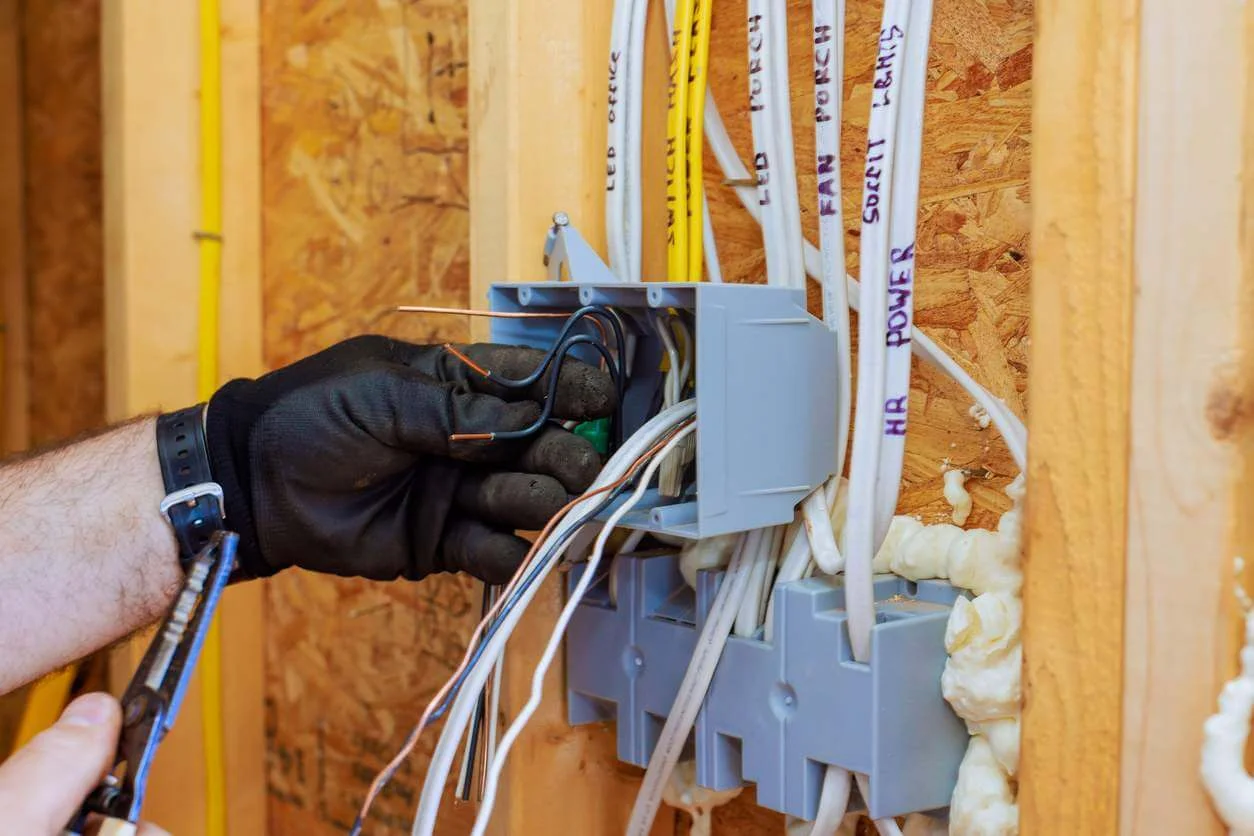
- Electrical faults
- Water damage
- Code violations
Quick investigation helps lock down evidence and builds a solid case.
Understanding the California Real Estate Litigation Process
Initial Case Evaluation
It all starts with digging into the facts.
You’ll need:
- Purchase agreements
- Deeds and titles
- Inspection reports
- Lease details
- Emails and letters
- Photos
A solid review shows what claims you have and what defences to expect.
Pre-Litigation Negotiations
Most cases are settled before anyone sees an actual courtroom.
You try:
- Informal talks
- Demand letters
- Mediation
- Settlement meetings
Filing the Lawsuit
If nobody agrees, someone files a complaint.
The complaint lays out:
- What went wrong
- The legal claims
- What you want fixed
The other side gets a chance to respond.
Discovery Phase
Now both sides collect evidence.
You’ll see:
- Written questions
- Document requests
- Depositions
- Expert input
Settlement Discussions
Courts in California push for settlements throughout litigation.
You might settle via:
- Mediation
- Direct talks
- Judicial settlement meetings
Most disputes actually wrap up without going to trial.
Trial
If nobody budges, you go to trial. The judge or jury will look at the evidence and decide, more or less. The possible outcomes:
- Money damages
- Force contract terms
- Decide who owns the property
- Injunctive relief
Important California Laws That Affect Real Estate Litigation
California laws are complex, and they really matter in property disputes.
They cover:
- Contracts
- Property rights
- Disclosure
- Disputes between landlord and tenant
- Construction codes
- Zoning and land use
How to Strengthen Your Position During a Property Dispute
Want to protect your interests? You need to:
Take note of everything, if possible maintain a log of:
- Contracts
- Emails
- Invoices
- Inspection reports
- Photos
- Communications
Move fast. Waiting puts evidence and your case at risk.
- Document the property — photos and videos are gold.
- Rely on facts and written proof, not verbal promises.
Get legal help early. The earlier you talk to a lawyer, the more options you’ll get.
When should you consult a real estate litigation attorney?
Not every disagreement really needs legal support, but to be honest, some moments are basically pleading for it. If the stakes are high or things are complicated, take advice.
Consult a real estate litigation lawyer if:
- There’s a lot of money involved
- You’re not sure about contract terms
- Ownership is uncertain
- Someone cheated on disclosures
- Construction flaws caused real losses
- Settlement talks went nowhere
legal analysis lays out risks, clarifies rights, and shapes your plan.
Preventing Future Real Estate Disputes
Prevention is your best defence.
Try:
- Thorough due diligence
- Careful contract review
- Professional inspections
- Confirming title
- Keeping records organised
- Addressing issues right away
- Using clear, written agreements
These habits stop most problems before they start.
Conclusion
Real estate litigation in California is complicated — big money, big rights, big risks. Whether you’re fighting over contracts, disclosures, boundaries, construction, or rental issues, knowing the legal landscape helps you make smarter choices. At SNS Law Group, we believe that good preparation, solid records, and quick action are what keep your assets safe. Spot problems early, act fast, and you’ll be ready to handle disputes smoothly and protect your investments.







.webp)