Sign up with Google
 Sign in with Zoho

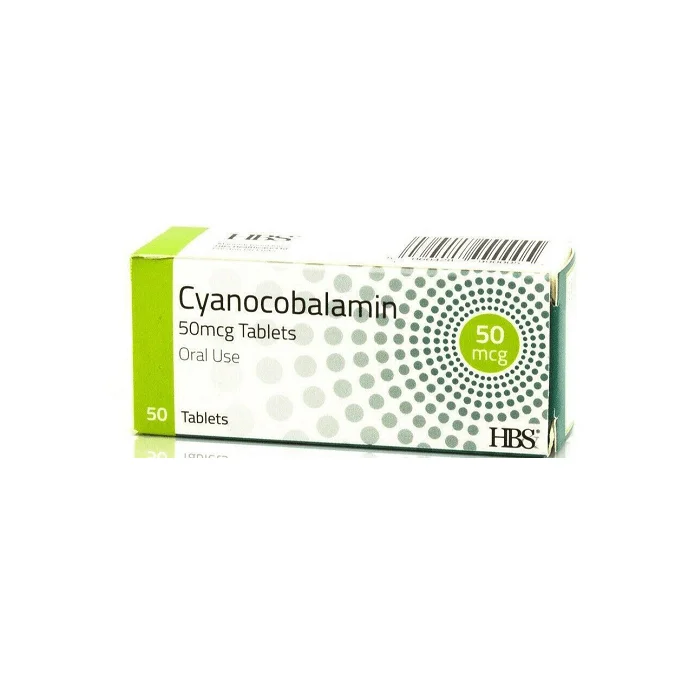
Buying a vitamin B12 supplement is one thing; knowing how to take it correctly is another. You might wonder whether breakfast is the right time, whether you need to leave a gap between meals, or whether taking a tablet in the evening makes any difference. The answer depends on the instructions for your particular product and the reason you are using it.
For anyone considering B12 Cyanocominn 50mcg tablets, checking the product directions is a sensible first step. A supplement used to support dietary intake may have different instructions from a medicine prescribed to treat a vitamin B12 deficiency.
Is There an Ideal Time to Take B12?
Not necessarily. Some people take their supplement in the morning because it is easy to remember alongside their usual routine. Others prefer a different time that fits around work, meals or other medicines.
What matters is following the directions on the pack. If your supplement is intended to be taken with food, you can plan it around a suitable meal. If the instructions specify an empty stomach, allow the recommended gap between eating and taking the tablet.
Vitamin B12 helps the body make red blood cells and maintain normal nerve function. Although it is often associated with energy, taking it at a particular time does not guarantee that you will feel more alert. If you are tired throughout the day, there may be another reason that needs attention.
Can You Take Vitamin B12 After Breakfast?
That depends on which B12 product you use.
Some supplements can be taken with food, whereas prescribed cyanocobalamin tablets are generally taken on an empty stomach. NHS guidance recommends taking prescribed cyanocobalamin at least two hours after a meal or snack and waiting at least 30 minutes before eating again.
This distinction matters because instructions are not identical across all vitamin B12 products. Check the leaflet supplied with your tablets instead of assuming that breakfast is always the right choice.
If you have been prescribed B12 to treat a deficiency and are unsure about the timing, ask your pharmacist for clarification. It is better to check than to change the schedule yourself.
Does the Dosage Change the Best Time to Take B12?
The strength of a tablet is important, but it does not determine the timing on its own.
Vitamin B12 supplements are available in different strengths. A 50 microgram tablet contains less vitamin B12 than a 1,000 microgram tablet, but that does not automatically make one more suitable than the other.
Your requirements depend on your diet, the reason for supplementation and whether your body absorbs the vitamin normally. Someone with a confirmed deficiency may need a treatment dose that differs from the amount used for routine supplementation.
Follow the recommended dose for your product. If a doctor has prescribed a particular schedule, do not replace it with a different strength without professional advice.
What If You Forget to Take Your Tablet?
Most people occasionally forget a supplement. The appropriate response depends on the product and whether you are following a prescribed treatment plan.
For prescribed cyanocobalamin, NHS guidance generally advises taking a missed dose when you remember, unless it is nearly time for the next dose. If the next dose is due soon, skip the missed dose rather than taking two together.
For other products, check the instructions supplied with the pack. If you often forget your tablets, a daily reminder or a routine linked to another regular activity may help.
Who May Benefit from Vitamin B12 Supplements?
Vitamin B12 occurs naturally in foods such as fish, meat, eggs and dairy products. People who follow a vegan diet need to obtain it from reliable sources, including suitable fortified foods or supplements.
Low B12 levels can also result from problems with absorption. Certain digestive conditions, pernicious anaemia and some medicines can affect the body's ability to obtain enough vitamin B12.
Possible signs of deficiency include persistent tiredness, weakness, pins and needles and changes in memory or concentration. These symptoms can occur for other reasons, so taking a supplement without understanding the cause may not solve the problem.
If you suspect a deficiency, arrange an assessment with a healthcare professional. Early diagnosis matters because prolonged vitamin B12 deficiency can cause nerve damage.
Should You Take B12 Every Day?
Some vitamin B12 supplements are designed for daily use, but daily supplementation is not necessarily appropriate for everyone.
The right schedule depends on the product instructions and your individual needs. People receiving treatment for a confirmed deficiency may require a specific dose, follow-up blood tests or long-term treatment, depending on the cause.
If you already take other medicines or supplements, tell your pharmacist or doctor. They can help you check whether your current routine is appropriate.
Making the Right Choice
When deciding when to take vitamin B12 tablets, start with the instructions supplied with your product. Morning may be convenient, but there is no universal rule that makes it the best time for everyone.
Check whether your tablets should be taken with food, use the recommended dose and seek advice if you are taking B12 to treat suspected deficiency symptoms. Understanding why you need the supplement is just as important as knowing when to take it.