Sign up with Google
 Sign in with Zoho
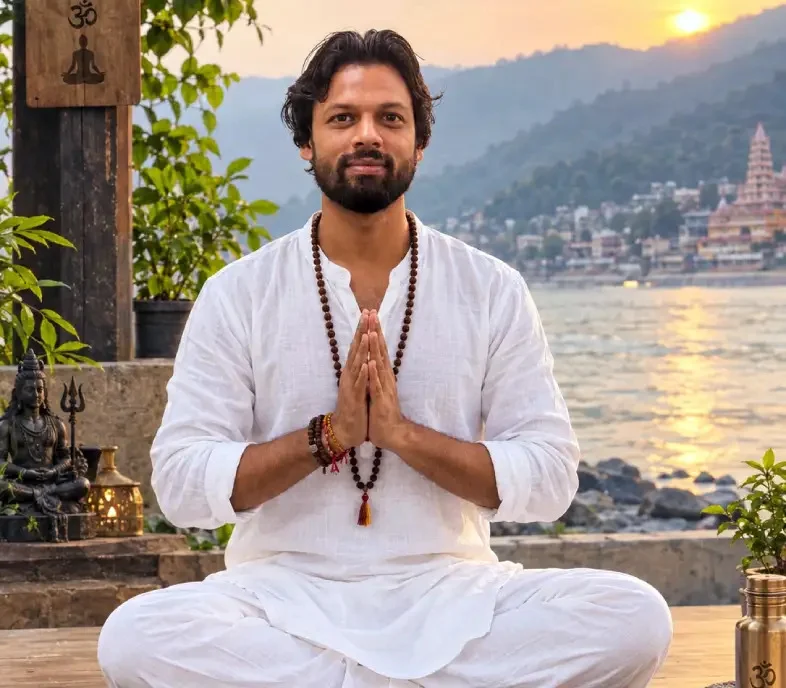
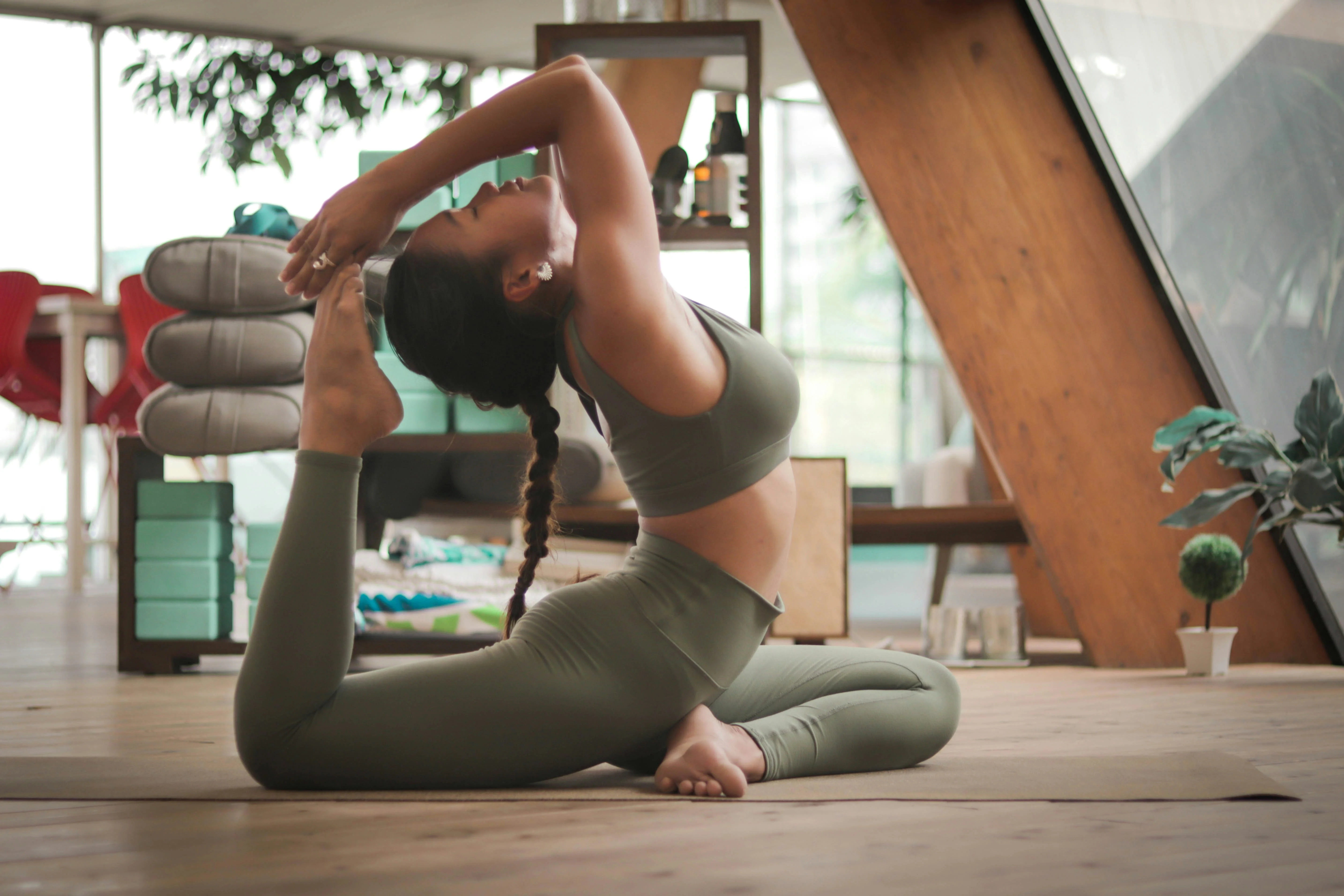
Many yoga studios and social media feeds will show you yoga being portrayed as a form of impressive physical exercise. We often see many yoga styles offering intense backbends, complicated arm balances, etc. However, modern popular culture has transformed the ancient art of spiritual science into a luxurious form of exercise.
Whilst there are many benefits to practicing physical asanas, including stretching, strengthening and moving, many committed yogis can struggle with anxiety, mental exhaustion and daily stress after years of practicing perfect poses.
The reason for this is that the physical aspect of yoga is only one piece of the puzzle. Two thousand years ago, a wise man called Patanjali provided us with an ancient 8-step guide known as the Eight Limbs of Yoga (Raja Yoga). It provides precise tools to help us manage the crazy, busy world we live in today.
Ethical Guidelines
Attempting to meditate can be difficult if you are living a life full of chaos, negative speech, and conflict. It is no surprise, therefore, that Patanjali created the first two limbs of yoga to be the Yamas and Niyamas.
The Yamas are guidelines for living a more ethically focused life. Ahimsa teaches us to treat ourselves and others kindly. Even when we are feeling tired, we should still speak kindly to ourselves. Satya teaches us to be our true selves and not fake online personas. Aparigraha helps us to combat modern materialism. We should not want more than we need.
The Niyamas are all about creating structure within yourself. Santosha teaches us to find peace within the present moment. Svadhyaya encourages us to take time to reflect. Tapas provides the motivation we need to maintain healthy habits.
You will notice that your outer world calms considerably when you practice these principles. You will make less impulsive decisions, your boundaries will be clearer, and you will create a calm, stable environment for your mind to heal.
Physical Movement & Controlling the Breath
The third and fourth limbs help us to calm our body. Asana and Pranayama help to relieve physical stress whilst calming the nervous system.
The definition of Asana is ‘Sthira Sukham Asanam’. This simply means stable and comfortable. The purpose of practicing physical movement is not to do impressive acrobatics to impress others, but to relieve tension, improve spinal mobility, and create a stable, pain-free seat.
Once your body can sit comfortably, Pranayama helps to calm your body. Your breath connects your conscious mind with your autonomic nervous system. When you feel stressed at work or overwhelmed by technology, your breathing will naturally become quick and shallow to alert your brain that you are in danger.
By holding your breath intentionally, doing long exhales, and practicing alternate nostril breathing, you will stimulate your vagus nerve. This will cause your heart rate to slow down and your stress hormones (cortisol) to decrease. This means your body knows it is safe to relax. Moving your body and controlling your breath will relieve your tension and prepare your brain to focus.
Focusing Inward
The fifth and sixth limb will help you to focus. Pratyahara and Dharana help to relieve mental tiredness.
Pratyahara does not mean to switch your senses off completely. It simply means to learn how to change how you respond to outside stimuli. This means putting your phone down and closing your eyes. Just as your digestive system needs time to rest, your brain needs to have time to rest from taking in too much.
Dharana teaches you how to focus on one thing. In today’s busy world, we often boast how good we are at multitasking, but this can cause our focus to become split and our prefrontal cortex to become exhausted.
Dharana will teach you how to focus. This involves training your brain to focus on one thing. This can be your breath, a simple focal point, or a silent mantra. If your mind wanders to your to-do list, then gently bring it back to your focal point. This will help to improve your attention span, strengthen your brain, and give you more energy.
Meditating & Integration
The last two limbs will come naturally if you practice the first six limbs.
Dharana requires focus to keep your brain focused. Dhyana is a state of flowing. You will no longer need to bring your focus back to your breath.
To understand and master all 8 limbs, you will need guidance that is rooted in traditional teachings. A real teaching environment, such as 8 Limbs Yoga School, will help you to fully understand the 8 limbs. You will learn how to integrate the philosophy, subtle energies, and meditation.
Once your meditation improves, you will begin to feel Samadhi. This is a state of complete integration. It is not mystical or magical. It is simply the quiet realisation that you are completely present, clear and whole. You will feel a sense of calmness within that cannot be shaken.
Simple Ways to Practice the 8 Limbs
You do not need to give up everything in your life to live the 8 limbs. Simply incorporate the ancient wisdom into your daily life.
Ahimsa – Be kind to yourself. If your inner voice is being too harsh, try to be gentle.
No Tech Time – Try to have 30 minutes each evening without any screens.
Breathe – Take 2 minutes 3 times a day to breathe deeply with intention.
1 Task at a Time – Focus on doing one thing at a time.
Final Thoughts
Yoga was never meant to be a 60-minute class or about how flexible you can be. It is an ancient science that helps us to deal with the challenges in our lives with wisdom, stability, and grace.
By looking past the physical aspect of yoga and understanding the 8 limbs by Patanjali, you will have a full toolkit to help you find clarity in your mind. By living with intention, breathing, and focus, you will leave the mat with a strong body, calm mind, and grounded soul.