Sign up with Google
 Sign in with Zoho

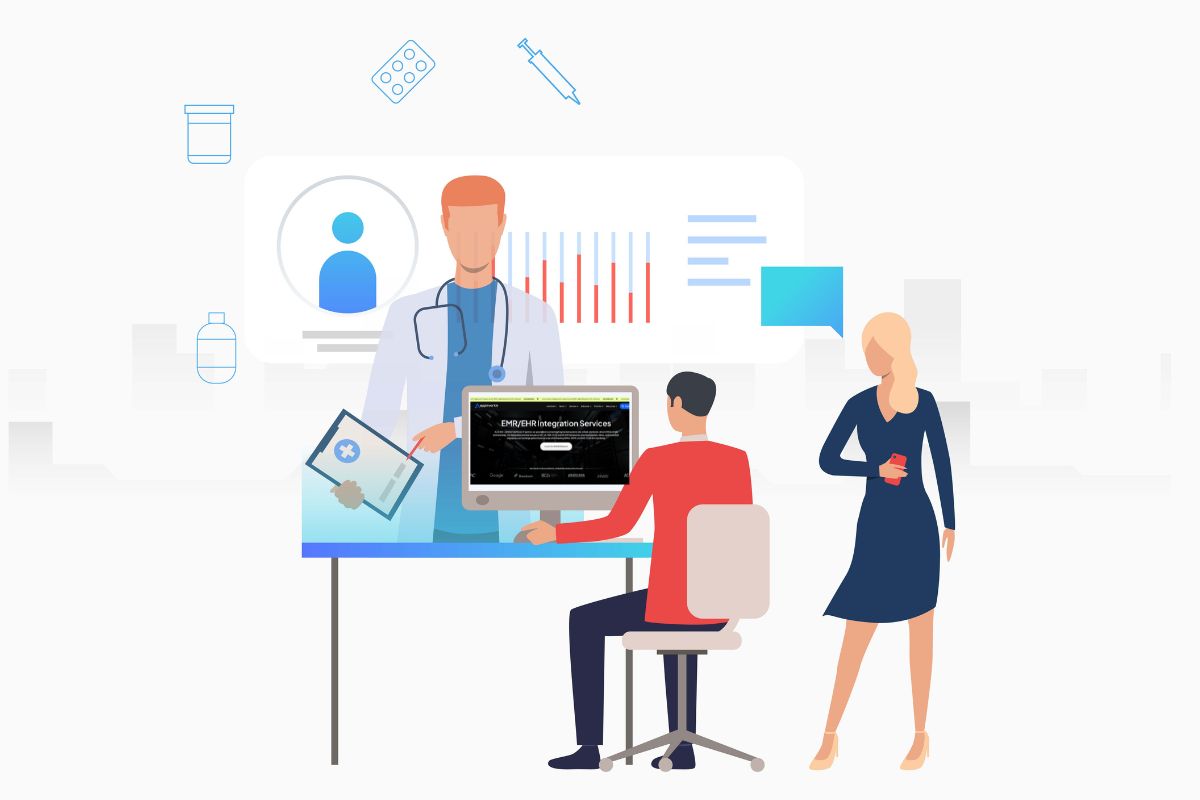
The EHR implementation process is a critical transformation initiative that directly impacts clinical efficiency, patient outcomes, and operational scalability. For CTOs, CEOs, and hospital administrators, understanding each stage of the EHR implementation process is essential to minimize risk, control costs, and ensure long-term adoption.
This article outlines a structured, informational approach to the EHR implementation process, focusing on practical execution, challenges, and best practices.
1. Pre-Implementation Planning
The foundation of a successful EHR implementation process begins with detailed planning. This phase determines the project’s scope, timelines, and success metrics.
Key Activities:
- Define organizational goals (clinical, operational, compliance)
- Conduct workflow analysis across departments
- Identify key stakeholders (IT, clinicians, admin staff)
- Establish budget and resource allocation
- Risk assessment and mitigation planning
Insights:
Poor planning is one of the leading causes of EHR failure. Hospitals that invest time in mapping current workflows experience smoother transitions and lower resistance.
2. Vendor Selection and System Evaluation
Selecting the right EHR system is a pivotal step in the EHR implementation process. The system must align with clinical needs, scalability goals, and regulatory requirements.
Evaluation Criteria:
- Interoperability capabilities (HL7, FHIR standards)
- Customization and scalability
- User interface and clinician usability
- Data security and compliance (HIPAA, GDPR)
- Integration with existing systems (labs, billing, telemedicine)
Insights:
Decision-makers should prioritize long-term adaptability over short-term cost savings to avoid reimplementation challenges.
3. System Design and Customization
After selection, the EHR implementation process moves into system configuration and customization based on hospital workflows.
Key Focus Areas:
- Clinical documentation templates
- Role-based access control
- Workflow automation (e-prescriptions, alerts)
- Dashboard and reporting configurations
Insights:
Over-customization can create maintenance complexity. A balanced approach ensures usability without compromising system performance.
4. Data Migration and Integration
Data migration is one of the most technically complex stages in the EHR implementation process.
Core Components:
- Data extraction from legacy systems
- Data cleansing and standardization
- Secure data transfer and validation
- Integration with third-party systems (PACS, LIS, ERP)
Common Challenges:
- Data inconsistency
- Loss of critical patient records
- Downtime risks during migration
Insights:
A phased migration strategy reduces risk and allows validation at each stage.
5. Training and Change Management
User adoption is a decisive factor in the success of the EHR implementation process.
Training Strategies:
- Role-based training programs
- Simulation-based learning environments
- Continuous support and feedback loops
Change Management Elements:
- Clear communication of benefits
- Leadership involvement
- Addressing resistance from clinical staff
Insights:
Organizations that invest in training achieve higher productivity post-implementation and fewer operational disruptions.
6. Testing and Quality Assurance
Before going live, rigorous testing ensures that the EHR implementation process meets operational and clinical requirements.
Testing Types:
- Unit testing (individual modules)
- Integration testing
- User acceptance testing (UAT)
- Security and compliance testing
Insights:
Skipping or rushing testing phases can lead to system failures and patient safety risks.
7. Go-Live and Deployment
The go-live phase marks the transition from legacy systems to the new EHR platform within the EHR implementation process.
Deployment Approaches:
- Big bang implementation (full system rollout)
- Phased rollout (department-wise implementation)
Key Considerations:
- Real-time technical support
- Backup and contingency planning
- Monitoring system performance
Insights:
Phased rollouts are generally safer for large hospitals, reducing operational disruptions.
8. Post-Implementation Optimization
The EHR implementation process does not end at deployment. Continuous optimization is required to maximize ROI and efficiency.
Optimization Areas:
- Performance monitoring and system upgrades
- Workflow refinements based on user feedback
- Advanced analytics and reporting
- Compliance updates
Insights:
Hospitals that continuously optimize their EHR systems achieve better patient outcomes and operational efficiency over time.
Common Challenges in EHR Implementation
- High initial investment and cost overruns
- Resistance from clinicians and staff
- Interoperability limitations
- Data security concerns
- Workflow disruptions during transition
Best Practices for a Successful EHR Implementation Process
- Establish a clear governance structure
- Involve clinicians early in decision-making
- Prioritize interoperability and scalability
- Invest in ongoing training and support
- Use data-driven KPIs to measure success
Conclusion
The EHR implementation process is a multi-phase journey that requires strategic planning, technical expertise, and organizational alignment. For CTOs, CEOs, and healthcare leaders, a structured approach ensures not only successful deployment but also long-term value realization.
By focusing on planning, user adoption, and continuous optimization, healthcare organizations can transform their digital infrastructure and deliver more efficient, patient-centric care.