Sign up with Google
 Sign in with Zoho

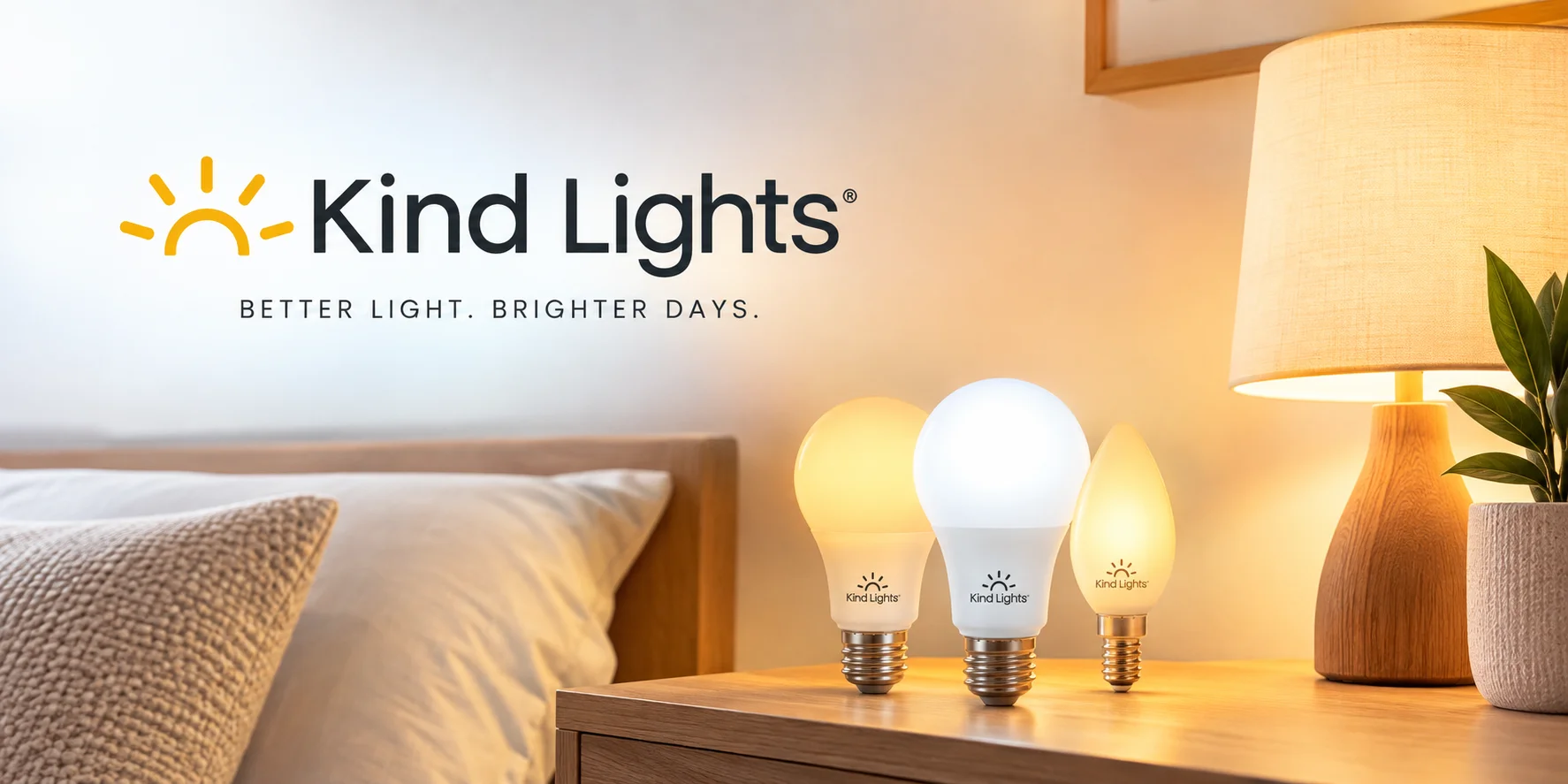
Choosing the right light bulbs for circadian rhythm can change how well you sleep, focus and feel. Your body clock follows light cues, and the color temperature and brightness of your home lighting can either support those cues or disrupt them. This guide covers the best bulb types, ideal Kelvin ranges and practical tips.
How Do Light Bulbs Affect Your Circadian Rhythm?
Your circadian rhythm is a roughly 24-hour internal cycle that regulates sleep, hormones and alertness. Light-sensitive cells in your eyes respond most strongly to blue wavelengths, and when they are stimulated, your brain suppresses melatonin, the sleep hormone.
Two bulb specifications matter most. Color temperature, measured in Kelvin (K), shows how cool or warm the light appears: higher numbers are bluer, lower numbers more amber. Brightness, measured in lumens, shows how much light the bulb produces.
Best Types of Light Bulbs for Circadian Lighting
LED bulbs are the best foundation for circadian lighting. They are energy efficient, last for years, come in many color temperatures and are often dimmable.
Tunable white LED bulbs change from cool to warm in a single bulb, so one lamp can cover your whole day.
Smart bulbs add scheduling and app control, so your lighting adjusts automatically.
Bulbs to avoid: Fluorescent bulbs often skew cool and can flicker, while incandescent and halogen bulbs waste energy and burn out quickly. A warm LED is a better substitute for both.
Best Color Temperature for Each Time of Day
If your bulbs aren’t tunable, give each preset its own lamp and switch between them as the day goes on.
Tips for Using Circadian Light Bulbs
- Get outdoor light. Even an overcast sky is many times brighter than indoor lighting, so a morning walk beats any bulb.
- Dim as well as warm. A warm bulb at full power can still keep you alert.
- Choose low lamps over overhead fixtures. They avoid shining directly into your eyes at night.
- Manage screens. Turn on night mode and lower brightness after sunset.
- Darken the bedroom. Blackout curtains and covered standby lights prevent small light leaks.
- Read the label. “Daylight” bulbs usually run 5000K to 6500K, while “warm white” sits near 2700K. For amber light, look for bulbs rated 2000K or lower, and choose flicker-free models.
Frequently Asked Questions
What color light bulb is best for sleep?
Warm amber light below 2700K is best, and around 1800K is ideal for the hour before bed.
Are LED bulbs bad for circadian rhythm?
No. The effect depends on color temperature and brightness, not the bulb technology. Warm, dimmable LEDs are a good evening choice.
Do circadian light bulbs really work?
They can help, especially when combined with morning daylight and a consistent routine, but they work best as part of good sleep habits rather than as a standalone fix.
Getting Started
You don’t need to replace every bulb at once to improve your circadian lighting. Begin with the room where you spend your evenings, install a dimmable LED or tunable white bulb, and choose a warm, low-Kelvin setting at night. After a week or two, you should notice better sleep, steadier energy and a more consistent circadian rhythm. The best light bulbs for circadian rhythm are the ones you can adjust through the day.