Sign up with Google
 Sign in with Zoho

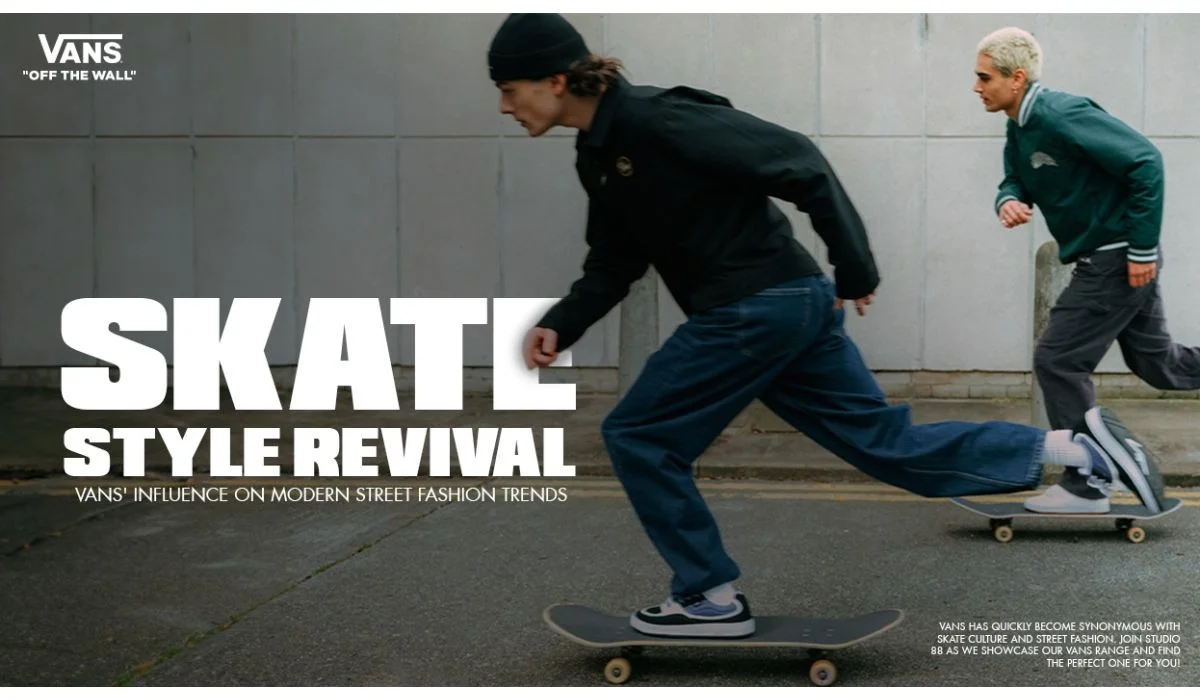
The beginning of the course syllabus includes the elements of color theory. In the traditional sense, students would have practiced in making color wheels using gouache and would have undertaken months of various projects like matching the Pantone colors of the year making colorful mood boards about color palettes inspired by pastels or deep jewel colors of autumns. Mastering the art of chromatic harmony is of paramount importance in ready-to-wear fashion, but directions have changed since progressive fashion schools have shifted colour education into the deeper dimension: surfaces, light absorption, monochromatic contrasts between different materials simultaneously. For novice designers, dress-makers, and textile students the proficiency in the ways materials are able to absorb different types of light is a necessity in the fashion world.
Beyond Seasonal Swatches: Tonal Depth in Design Curricula
Traditionally in garment programs, color was seen as two-dimensional material applied using colorants or digital textile printing. At the same time, though, the dyeing processes employed for mass consumer products are considered not very practical since they fade and lose their intensity over time and limit clothing to certain seasonal trends. In modern luxury fashion, students learn to utilize three-dimensional perception of color by researching such parameters as fabric structure, fiber density, and metallic finishes to create rich images with the aid of very limited colors. In workshops in surface design, teachers of the courses illustrate the use of matte, half-matte, and reflective textures of the same color, which produces much more complex images than common bright colors. When textures of leather, cotton fabric, and metal are hit by light, different types respond to it producing highlights and shadows, adding further visual interest to the wearer. Some important notions of modern tonal and patina design courses include:
- Textural Light Refraction: Using contrasting surface finishes—such as rough-hewn cotton weave against smooth, supple hides—to create depth within monochromatic palettes.
- Living Color Evolution: Designing with natural indigo and unsealed metals that gradually shift in tone, developing personalized contrast through daily exposure to light and air.
- Oxidized Metallic Accents: Utilizing darkened silver crevices and high-polish raised relief to introduce sculptural definition without adding bright pigment.
- Cross-Seasonal Permanence: Building collections around timeless dark neutrals and heritage blues that transcend fleeting seasonal color forecasts.
By mastering monochromatic contrast and material patina, fashion graduates learn to craft garments that command visual attention through texture and light rather than loud surface graphics.
Textural Light Refraction: Employing different surface qualities, including rough cotton textiles and smooth leather, in order to achieve a sense of depth within the monochromatic colour schemes. Living Colour Evolution: The use of natural indigo dye and untreated metals which auxilliary function.
Oxidized Metallic Accents: The incorporation of the dull silver details to create a sculptural element without an infusion of bright colours. Cross-Seasonal Permanence: Creating collections that are based on timeless dark colors.
Mastering the techniques of monochromatic contrast and material patina allows fashion students to create garments that stand out visually thanks to the texture and light instead of loud visuals.
Indigo Evolution and Leather Contrast in Custom Luxury Denim
Denim occupies a singular place in color education because indigo is one of the few dyes designed to fade gracefully over time. Rather than penetrating the core of the cotton fiber, traditional rope-dyed indigo coats the outer surface of the yarn—allowing high-friction areas to gradually reveal the white cotton core beneath while sheltered seams remain deep midnight blue. In advanced textile and surface design seminars, instructors analyze customized luxury denim to show how permanent materials interact with evolving indigo tones.A prime classroom case study is found in chrome hearts jeans, which demonstrate how static dark leather appliqués create striking visual tension against shifting denim washes. Experienced craftspeople personally design luxe black or tonal leather patches and assemble them on top of vintage or heavy indigo denim. For design students, doing so will be a great practical lesson in color anchoring: while the cotton twill around it breaks in over time, full-grain leather will still keep its color intact and thus will stand out when paired with worn, faded fabric.For students of color and surface theory, the examination of the metallic components of chrome hearts jeans will bring some more lessons. Being different from a standard commercial denim, which is typically decorated with bright-yellow brass buttons or painted with enamel, artisanal luxury denim relies on solid sterling silver for its waist buttons, grommets, or pocket rivets. The silverware is artificially oxidized at the engravings and polished on top to achieve the effect of cold liquid-metal surfaces, thus connecting deep indigo tones with matte black structured leather. The setup of silver-infused elements allows one to achieve a distinctive yet coherent visual signature without the use of synthetic dyes when needed. The second critical take-home point of studying bespoke luxury denim is the ability to forecast how the garment would look in Positioned directly above the face, a cap frames the wearer’s features, making color balance, edge definition, and surface relief essential considerations in accessory design studios.Instructors frequently highlight cappello chrome hearts designs to illustrate how monochromatic palettes and mixed-media textures achieve bold graphic clarity. Standard promotional caps typically rely on bright, multi-colored screen prints or neon polyester fabrics to attract attention from a distance. By contrast, artisanal luxury headwear often pairs deep black or crisp neutral cotton canvas with tonal or contrasting full-grain leather cross appliqués, dense raised embroidery, and a solid sterling silver apex button.Examining cappello chrome hearts color composition teaches students how dimensional relief replaces the need for loud pigment. When black leather cross patches are stitched onto black heavyweight cotton twill, visual definition comes entirely from the sheen of the leather grain, the shadow cast by the raised leather edge, and the crisp rhythm of the perimeter stitching. Crowning the cap with a hand-polished sterling silver top button adds a focal point of metallic brilliance at the apex, drawing the eye upward and balancing the matte textile crown. Studying these subtle tonal relationships trains future accessory designers to create sophisticated, gallery-worthy pieces that remain versatile across wardrobes.Key Tonal Design Lessons from Luxury Headwear Studies
- Matte-Versus-Sheen Layering: Combining flat-finish woven canvas with naturally lustrous full-grain leather to create unmistakable pattern visibility within a single color family.
- Shadow-Line Definition: Using thick leather cutouts and raised embroidery threads to cast natural micro-shadows across curved crown panels.
- Metallic Focal Points: Anchoring dark or neutral headwear palettes with oxidized sterling silver hardware that catches ambient light effortlessly.
Visual Merchandising and Lighting for Dark, Textural Collections In addition to architectural design, the contemporary fashion curricula correlate color principles with the field of retail lighting and photography. Clothes made with color nuances, fabric fading, and metal oxidization easily lose their charm because of overpowering and diffused commercial lighting. In the classes of visual representation and fashion styling, students try out spotlight lighting, warm and cold Kelvin temperatures, and matte architecture background. Students understand how luxury galleries’ lighting solutions help to demonstrate the textures of such materials as leather, heavyweight cotton, and silver by examining the management and the power of lighting solutions. More Exacting Masters of Light, Texture, and Patina As the cheap fashion producers continue pouring loud seasonal garments into the market, high-end fashion customers increasingly prefer more calming colors and materials. Fashion schools are important in educating designers about the use of nature’s coloring technologies, quality leather, and precious metals. By giving students deep knowledge of color theory, indigo contrast, monochrome hats, and the power of lighting solutions, the degree programs create possibilities for students to design garments that will feel more interesting over time.