Sign up with Google
 Sign in with Zoho

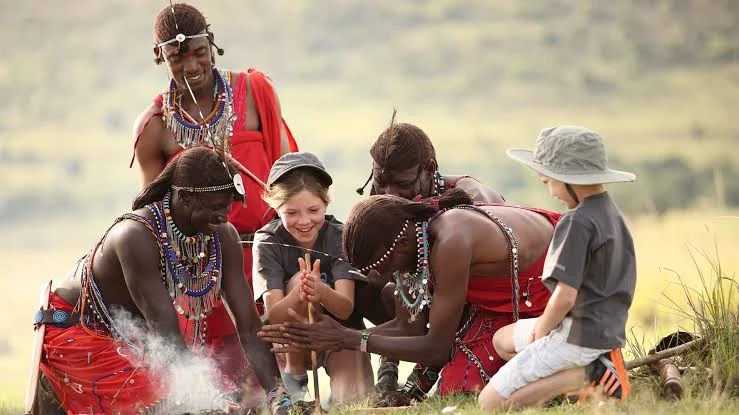
Most travelers fly into northern Tanzania focusing entirely on standing at Uhuru Peak, yet rushing straight up the mountain means stepping over centuries of living history.
In the lush foothills beneath the snowline, the Chagga people-built hand-dug cave networks, sustainable food forests, and thriving coffee farms long before the first foreign expedition arrived.
Taking a day or two off the main trail to explore these villages gives a grounded, real look at mountain life that no summit selfie can match. And by booking genuine cultural tours in Kilimanjaro, one gets to discover these hidden engineering marvels, traditions, and local customs firsthand.
In A Nutshell
● Historical Defense Systems: How did hand-dug underground tunnels protect Chagga families during 18th-century tribal conflicts?
● Agricultural Ingenuity: Why do traditional "Chagga homegardens" represent one of the world's most sustainable farming setups?
● Direct Community Impact: How does village-led tourism ensure your travel spending directly funds local schools and water projects?
What Secrets Do Cultural Tours in Kilimanjaro Hold?
Explore the Chagga Underground Tunnels
Before the mountain had paved roads, local Chagga clans regularly fought territorial battles with the pastoralists of the area. To protect their families and cattle, the builders in the villages hand-carved large underground tunnel networks from volcanic rock.
These secret sanctuaries featured ventilated living quarters, food storage, and stalls for livestock to feed entire households for weeks under siege.
Walking through these hand-carved stone passages with a local guide is a great way to see regional survival history first-hand. Joining well-guided cultural tours in Kilimanjaro allows one to better appreciate the brilliant defense strategies that kept these foothill communities safe.
Experience Organic Coffee Farming from Bean to Cup
The mineral-rich volcanic soil surrounding the mountain provides the perfect environment for high-grade Arabica coffee. Family farmers continue to grow organic techniques handed down through generations in small, shaded plots.
Visiting a local farm lets you walk through the entire process, picking ripe coffee cherries, pulping them with hand tools, and roasting the beans over an open fire. In turn, participating in these interactive cultural tours in Kilimanjaro gives you a clear, practical appreciation for the manual labor behind every cup of coffee.
Take A Stroll Around Sustainable Chagga Homegardens
Decades before modern agronomists studied sustainable land use, Chagga families perfected a multi-layered farming system known as the Kihamba. Farmers grow coffee plants, root vegetables, and tall banana trees on their own small plots.
They harvest them continuously without exhausting the soil. This balance creates a self-sustaining ecosystem that holds water and prevents erosion on the slopes:
- The tall banana canopies protect sensitive crops from direct heat.
- Deep trees, with their roots, hold the soil in place in heavy rains.
- Organic compost keeps the volcanic earth fertile year after year.
Well-planned cultural tours in Kilimanjaro will show you how traditional farming techniques are still solving practical ecological challenges today.
Supporting Local Economies & Ethical Travel
Spending time in foothill villages puts your travel budget directly into the hands of the people who live there. Instead of payments staying strictly within international resort chains, village tours support local guides, family farmers, and village artisans directly.
The money helps to keep water lines clean, to fix elementary schools, and to stock local health clinics. After all, a day spent in these mountain communities makes a typical sightseeing trip a fair and mutually beneficial experience.
Conclusion
If you want to see a side of Tanzania that most tourists miss, then getting off the beaten track of the usual trekking routes is the way to do it. Spending time learning from local hosts gives your trip real substance and context.
And an adventure tours local community package is a practical way to begin if you want an itinerary that combines outdoor exploration with genuine cultural value.
FAQs
Are cultural village visits suitable for families with kids?
● Yes. Village visits are gentle walks and hands-on activities such as coffee roasting and are safe, educational, and engaging for children of all ages.
What is the best time of year to visit the foothill villages?
● Village tours run year-round, but the dry seasons from June to October and December to March offer the easiest trail conditions and clearest weather for walking.
Are cultural tours in Kilimanjaro really worth it?
● Absolutely. They give you a special perspective on the mountain environment by putting you face-to-face with those who inhabit it, for a far more rewarding, ‘complete’ travel experience than a trekking-only itinerary can provide on its own.