Sign up with Google
 Sign in with Zoho

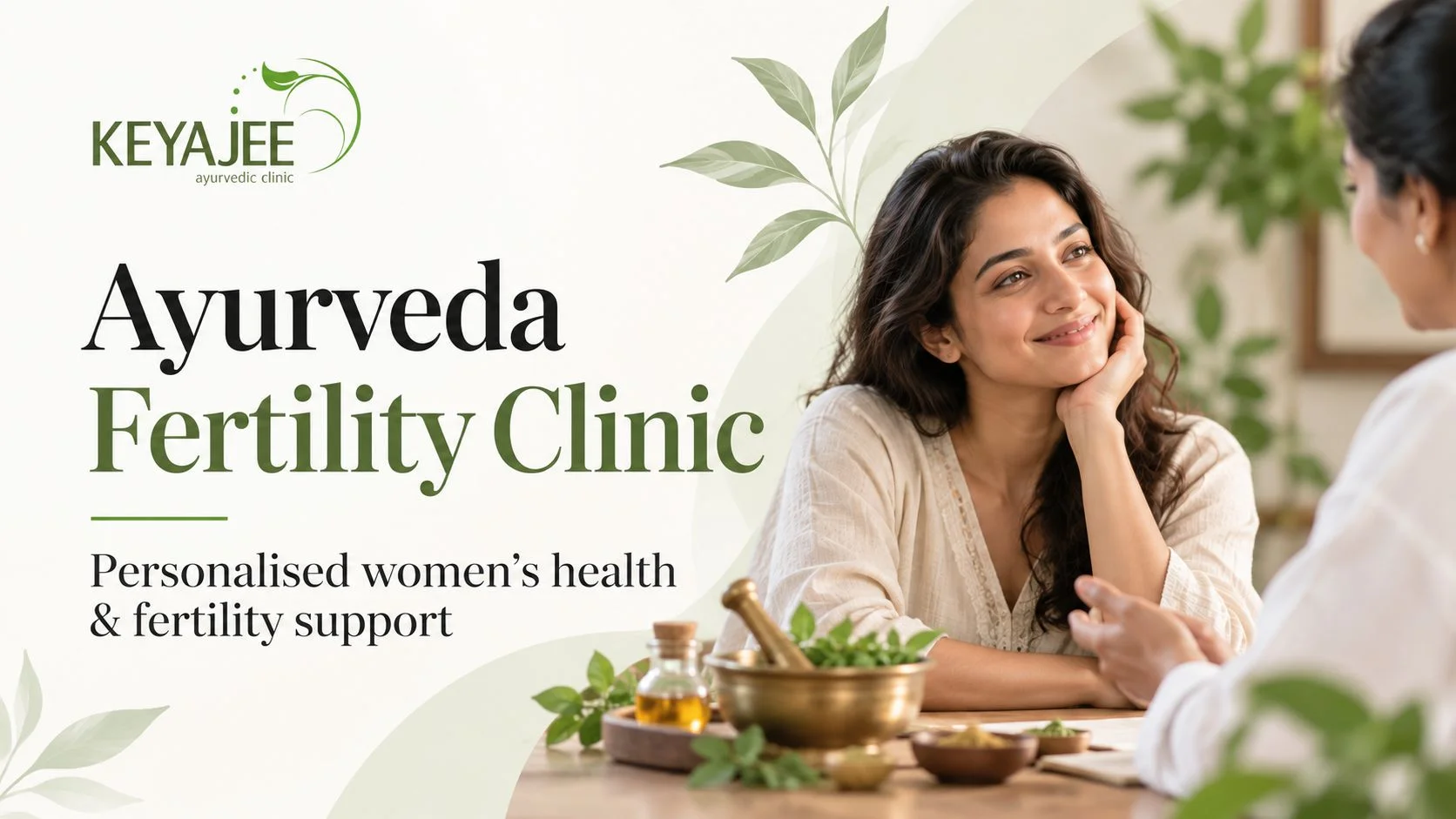
Trying to conceive can be an emotional and deeply personal journey. While some people become pregnant quickly, others may face irregular cycles, health concerns, lifestyle pressures or unexplained fertility difficulties. According to the NHS, fertility problems can affect either partner, and around 1 in 7 couples may experience difficulty conceiving.
For people interested in a more holistic approach alongside appropriate medical care, an Ayurveda fertility clinic may provide personalised support focused on diet, daily routine, stress management, sleep, digestion and overall wellbeing.
Ayurveda is a traditional system of health that looks at the individual as a whole rather than focusing on a single symptom. At Keyajee, an Ayurvedic clinic in Central London specialising in women’s health, fertility support is tailored to each person’s circumstances and health goals.
What Is an Ayurveda Fertility Clinic?
An Ayurveda fertility clinic uses traditional Ayurvedic principles to support people during preconception and their wider fertility journey.
Rather than taking exactly the same approach with every person, Ayurveda considers individual constitution, lifestyle, digestion, sleep, stress levels, menstrual patterns and general wellbeing when developing a personalised plan.
Depending on the practitioner and individual circumstances, support may include:
- Personalised dietary recommendations
- Lifestyle and daily-routine guidance
- Sleep and stress-management strategies
- Gentle movement and relaxation practices
- Ayurvedic therapies where appropriate
- Practitioner-guided discussion of herbal support
- Guidance for supporting overall reproductive wellbeing
Ayurvedic care should be viewed as complementary fertility support rather than a replacement for medical fertility assessment or treatment.
Understanding Fertility From a Wider Perspective
There is no single cause of fertility difficulty. The NHS identifies several possible factors, including problems with ovulation, poor-quality semen, blocked or damaged fallopian tubes, endometriosis and other medical conditions. In some cases, no specific cause can be identified.
This is one reason personalised care can be valuable.
When visiting an Ayurveda fertility clinic, a practitioner may look beyond reproductive symptoms alone and discuss areas such as digestion, energy, sleep, emotional wellbeing, nutrition and everyday routines.
The aim is not to claim that Ayurveda can cure infertility. Instead, a responsible Ayurvedic approach can help people build healthier routines and support their general wellbeing while trying to conceive or undergoing conventional fertility care.
How Ayurveda Approaches Fertility
In traditional Ayurveda, health is closely connected with balance in diet, digestion, lifestyle and the body's individual constitution.
A consultation therefore usually involves more than discussing whether your menstrual cycle is regular.
1. Understanding Your Individual Constitution
Ayurveda traditionally describes different constitutional patterns, often known as doshas.
Your practitioner may consider your constitution alongside your current symptoms and lifestyle before recommending changes. This individualised approach is one of the main reasons people seek support from an Ayurveda fertility clinic rather than following generic wellness programmes.
2. Supporting a Nourishing Diet
Good nutrition is important when preparing for pregnancy.
Rather than following restrictive trends or complicated fertility diets, Ayurvedic nutritional guidance often focuses on regular, nourishing meals suited to the individual.
At Keyajee, nutritional and lifestyle recommendations form part of its personalised approach to Ayurvedic care.
The exact dietary advice will vary according to your constitution, digestion, health history and individual needs.
3. Looking After Digestion
Digestion has an important place within traditional Ayurvedic thinking.
A practitioner may therefore ask about bloating, bowel habits, appetite, meal timing and your relationship with food as part of a wider consultation.
Simple changes such as eating more regularly, getting sufficient sleep and developing sustainable daily routines may form part of an individual wellbeing plan.
4. Supporting Emotional Wellbeing and Stress Management
Fertility treatment and trying to conceive can both be emotionally demanding.
Mindfulness, gentle movement, relaxation, adequate rest and realistic lifestyle changes may be incorporated into an Ayurvedic fertility plan to support emotional wellbeing.
These approaches should complement—not replace—professional mental-health or medical support when it is needed.
Ayurveda for Menstrual and Reproductive Wellbeing
People may visit an Ayurveda fertility clinic for support around concerns such as irregular periods, preconception wellbeing, stressful fertility journeys or maintaining healthier routines while undergoing fertility treatment.
However, symptoms such as irregular or absent periods can sometimes have an underlying medical cause.
For example, the NHS notes that problems with ovulation may be associated with conditions including PCOS and thyroid disorders, while endometriosis and fallopian-tube problems can also affect fertility.
For this reason, persistent menstrual or fertility concerns should also be discussed with your GP or fertility specialist.
Can Ayurveda Be Used Alongside IVF or Other Fertility Treatment?
Some people choose complementary wellbeing support while undergoing fertility investigations, IVF or other conventional fertility treatments.
In these circumstances, communication is particularly important.
Tell both your fertility team and Ayurvedic practitioner about any medicines, supplements or herbal products you are considering. Herbal preparations can interact with medicines, and “natural” does not automatically mean safe for every person. NHS guidance also advises caution with herbal remedies when trying to become pregnant.
A responsible Ayurveda fertility clinic should therefore take your medical history and existing treatment into account rather than recommending herbs or supplements without appropriate consideration.
When Should You Seek Medical Fertility Advice?
Ayurvedic wellbeing support should not delay appropriate fertility testing.
The NHS recommends seeing a GP if you have not conceived after one year of regular unprotected sex. Women aged 36 or over, or anyone who already has a reason to be concerned about fertility, are advised to seek help sooner.
It may also be sensible to speak to your GP sooner if you have:
- Very irregular or absent periods
- Known PCOS or endometriosis
- Previous pelvic surgery
- Concerns about sperm health
- Previous cancer treatment
- A history that could affect reproductive health
Medical testing can help identify issues that require investigation or treatment, while complementary care can focus on helping you maintain healthy routines and overall wellbeing.
Choosing the Right Ayurveda Fertility Clinic
Finding the right practitioner matters, particularly when fertility and reproductive health are involved.
Before starting care, consider asking:
- What qualifications and clinical experience does the practitioner have?
- Do they regularly work with fertility and women’s health?
- Will they take a detailed medical history?
- Will the programme be personalised?
- Are herbal recommendations made carefully?
- Will the practitioner encourage you to continue appropriate GP or fertility-specialist care?
- Can they work alongside conventional fertility treatment?
Avoid clinics that guarantee pregnancy or claim that one therapy can cure every cause of infertility.
Fertility is complex, and trustworthy practitioners should communicate this clearly.
Ayurveda Fertility Support at Keyajee in London
For people looking for personalised Ayurvedic fertility support in the UK, Keyajee Ayurvedic Clinic offers women's health and fertility-focused Ayurvedic consultations.
Keyajee's Central London clinic is located in Portman Square, near Baker Street and Bond Street, and the clinic also offers online consultations. Its website describes a personalised fertility programme incorporating Ayurvedic assessment, nutritional guidance, lifestyle recommendations and emotional-wellbeing support.
Keyajee's lead practitioner, Vaidya Seema Datta, is described by the clinic as having more than 25 years of clinical experience, with a particular focus on women's health across fertility, pregnancy and other life stages.
For someone seeking an Ayurveda fertility clinic in London, this combination of individual consultation and fertility-focused Ayurvedic care provides an option for incorporating holistic wellbeing support into a broader fertility journey.
Small Lifestyle Foundations for Preconception Wellbeing
Whether or not you decide to visit an Ayurveda fertility clinic, some simple habits can support your general health while trying to conceive.
Aim for balanced, nourishing meals rather than extreme diets. Maintain a regular sleep routine where possible, stay physically active in a way that feels sustainable, and create space for relaxation and recovery.
Most importantly, avoid comparing your fertility journey with someone else's. Fertility depends on many factors, and an approach that suits one person may not be appropriate for another.
Final Thoughts
An Ayurveda fertility clinic offers a personalised way of looking at preconception wellbeing by considering diet, digestion, lifestyle, sleep, stress and the individual as a whole.
Ayurveda should not replace fertility investigations, medical diagnosis, IVF or other treatment recommended by qualified healthcare professionals. However, when practised responsibly, it may form part of a broader approach focused on healthier routines and physical and emotional wellbeing.
If you are looking for personalised Ayurvedic fertility support in London or online, Keyajee offers fertility-focused consultations designed around your individual circumstances.
Explore Keyajee's Ayurvedic fertility and women's health services and speak with a qualified practitioner about the type of support that may be appropriate for your fertility journey.