Sign up with Google
 Sign in with Zoho

Pipeline Leak Detection in Dubai: Signs, Solutions, and Prevention Tips
Introduction to Pipeline Leak Detection in Dubai
Hidden pipeline leaks can waste water, increase utility bills, and damage walls, floors, and building foundations. In Dubai, leaks may develop in concealed plumbing, underground pipes, or water supply connections without showing obvious signs immediately. Early pipeline leak detection in Dubai helps identify the source of a problem before it leads to more extensive damage.
Understanding common leak symptoms, modern detection methods, and suitable repair options can help homeowners and property managers make informed decisions. Regular plumbing checks and prompt action are also important for maintaining an efficient water system.
Why Pipeline Leak Detection Is Important for Dubai Properties
Water pipes often run behind walls, beneath floors, and underground, making leaks difficult to locate through visual inspection alone. A small leak may continue for weeks before damp patches or other warning signs become noticeable.
Timely pipeline leak detection can help reduce water waste, limit structural damage, and identify plumbing faults before repairs become more complicated. It is particularly useful when water bills rise unexpectedly or moisture appears in an area without an obvious source.
Common Signs of a Hidden Pipeline Leak
Recognising the early warning signs can help you decide when further inspection is needed.
Unexplained Increases in Water Bills
If your water consumption has increased without a change in household or business activity, a hidden leak may be one possible cause. Check taps, toilets, visible connections, and other water-using fixtures before arranging a more detailed inspection.
Damp Walls, Wet Floors, and Ceiling Stains
Persistent dampness, peeling paint, bubbling plaster, or unexplained ceiling stains can indicate a plumbing leak. However, condensation, roof leakage, and external moisture can produce similar symptoms. Proper inspection is needed to determine the actual source.
Reduced Water Pressure
A sudden drop in water pressure may be related to a leaking pipe, a faulty valve, a blocked pipe, or another plumbing issue. If the pressure change affects multiple fixtures, the supply system may require closer examination.
Mould and Musty Odours
Continued moisture can create conditions that encourage mould growth and unpleasant smells. If these signs appear repeatedly, investigate the underlying moisture source rather than covering the affected area with paint or cleaning products alone.
Unusual Sounds from Water Pipes
Hissing, dripping, or running-water sounds when taps are turned off may indicate a leak. First check whether toilets, appliances, or other fixtures are using water. If the sound continues, a plumbing inspection may help identify the cause.
Pipeline Leak Detection in Dubai: Common Causes of Pipe Leaks
Understanding why leaks occur can help property owners take preventive measures.
Ageing Pipes and Corrosion
Pipes can deteriorate over time because of material ageing, corrosion, or repeated exposure to unsuitable conditions. Worn pipe sections and weakened joints may eventually allow water to escape.
High Water Pressure and Loose Connections
Excessive pressure can place additional stress on plumbing components, while loose fittings and worn seals can create leakage points. Maintaining suitable water pressure and checking accessible connections can help reduce these risks.
Poor Installation and Damaged Joints
Incorrectly fitted pipes, weak connections, and damaged seals may cause leaks even when the plumbing system is relatively new. Repairs should address the defective connection or component rather than simply covering the visible damage.
Underground Pipeline Damage
Underground pipes can be affected by ageing, ground movement, external pressure, or accidental damage during excavation. Because these pipes are not easily accessible, specialised inspection may be necessary to locate the affected section.
How a Water Leak Detector Dubai Helps Find Hidden Leaks
A water leak detector Dubai service may use specialised equipment to identify the likely source of a leak without immediately opening walls or floors. The appropriate method depends on the pipe material, location, surrounding conditions, and type of suspected leak.
Acoustic Leak Detection
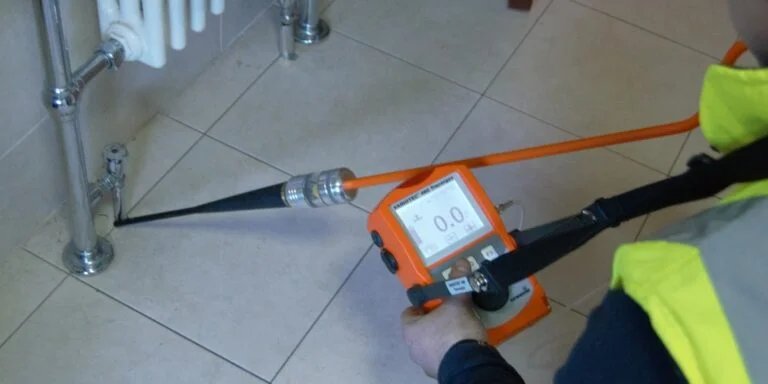
Acoustic equipment detects sounds created by water escaping from a pressurised pipe. A trained technician can compare sound levels at different points to help narrow down the likely leak location.
This method can be useful for concealed or underground water pipes, although background noise, pipe material, and leak size may affect the results.
Thermal Imaging
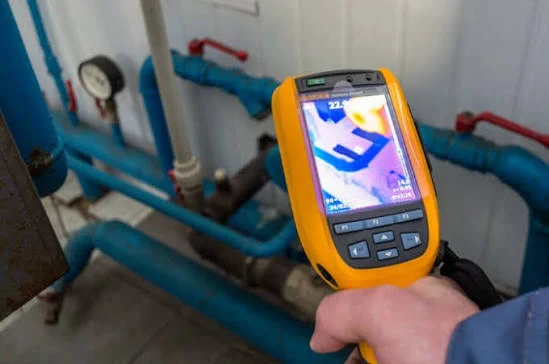
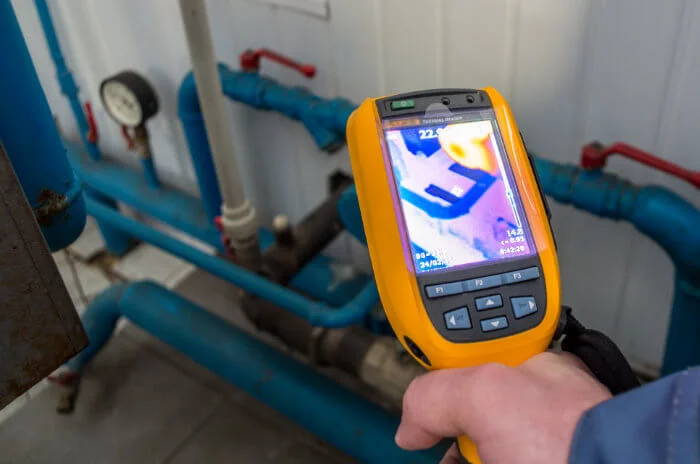
Thermal imaging cameras show differences in surface temperature that may indicate hidden moisture or water movement. This technique can help investigate suspected leaks behind certain walls and beneath floors.
Thermal imaging does not directly confirm every leak. Findings may need to be checked using other inspection methods.
Pressure Testing and Pipeline Inspection
Pressure testing can help assess whether a plumbing section maintains the expected pressure. A pressure drop may indicate leakage, but valves, fittings, and other system conditions must also be considered.
The inspection method should be selected according to the plumbing system and the symptoms reported.
Detecting Underground and Concealed Pipe Leaks
Underground leaks may cause unusually wet soil, damp patches, or unexplained water loss. Concealed leaks may affect walls, floors, or ceilings without exposing the pipe itself.
Combining suitable detection techniques can help narrow down the affected area and reduce unnecessary cutting or excavation. The exact level of access required depends on the findings and the type of repair.
Pipeline Leak Detection in Dubai: Effective Solutions and Repair Methods
Once the source of a leak is identified, the repair should address the damaged pipe or connection and the cause of the problem.
Repairing Leaking Water Supply Pipes
Depending on the damage, a plumber may replace a faulty fitting, repair a suitable pipe section, or replace a deteriorated length of piping. The correct approach depends on the pipe material, leak severity, and condition of the surrounding system.
Fixing Concealed Leaks Behind Walls and Floors
Concealed leaks should be located as accurately as possible before access work begins. After repairing the pipe, the affected area should be checked for remaining moisture and allowed to dry appropriately before plastering, flooring, or repainting.
Repairing Underground Pipeline Leaks
Underground repairs may require excavation once the leak location is established. The damaged section can then be repaired or replaced, followed by appropriate testing to check the repaired line.
Accurate detection before excavation can help limit unnecessary disruption to gardens, driveways, and paved areas.
Preventing Further Water Damage
If a significant leak is suspected, shut off the relevant water supply when it is safe to do so. Keep water away from electrical equipment and arrange a professional inspection if the source cannot be identified.
After repairs, check that the leak has stopped and assess whether affected walls, floors, or other building materials need drying or additional restoration.
Swimming Pool Leak Repair Dubai: Identifying and Fixing Pool Leaks
Swimming pools can lose water through evaporation, plumbing leaks, damaged fittings, or defects in the pool structure. Before arranging swimming pool leak repair Dubai, it is important to distinguish normal evaporation from an actual leak.
Signs Your Swimming Pool May Have a Leak
Possible warning signs include water levels dropping faster than expected, persistently wet areas around the pool, air entering the circulation system, or unusual changes in water consumption.
Evaporation is also common in Dubai's hot weather. Water loss alone does not prove that a pool is leaking, so a suitable assessment is important.
Common Causes of Swimming Pool Water Loss
Pool leaks may occur in circulation pipes, pump connections, skimmers, lights, valves, or the pool shell. Cracks and deteriorated seals may also allow water to escape.
The location of the leak determines which inspection and repair method is appropriate.
Pool Plumbing Inspection and Leak Detection
Pool leak inspections may include checking visible equipment, inspecting fittings, pressure testing plumbing lines, or using specialised detection methods. These checks help determine whether the problem is related to the pool structure or the circulation system.
Repair Options for Pool Pipes, Fittings, and Surfaces
Repair methods may include replacing damaged fittings, repairing leaking pipe sections, renewing defective seals, or addressing cracks with suitable materials. The repair should match the type of pool surface and the cause of the water loss.
Confirm the diagnosis before undertaking major repair work to avoid spending money on areas that are not responsible for the leak.
How to Choose Reliable Water Leak Companies in Dubai
When comparing water leak companies, focus on their inspection approach, explanation of findings, and proposed repair plan rather than choosing solely on price.
Check Detection Methods and Equipment
Ask how the company plans to locate the suspected leak and whether the method is suitable for your property. Equipment should support a proper inspection, not replace professional assessment.
Understand the Inspection and Repair Process
Confirm whether the service includes detection only, repair work, or both. Ask whether opening walls, removing tiles, or excavation may be required and whether those tasks are included in the quotation.
Compare Quotations and Service Details
Compare the inspection scope, repair materials, labour, access work, and any follow-up testing. A clear written quotation helps you understand what you are paying for and reduces the risk of unexpected charges.
Pipeline Leak Prevention Tips for Dubai Homes and Businesses
Simple checks and timely maintenance can help identify plumbing problems before they cause major damage.
- Monitor water consumption: Investigate unexplained increases in water bills.
- Check visible connections: Look for moisture, corrosion, and damaged fittings.
- Maintain suitable water pressure: Have persistent pressure problems assessed.
- Inspect damp areas promptly: Do not ignore recurring stains, mould, or musty smells.
- Address pool water loss: Distinguish evaporation from possible leakage before arranging repairs.
- Use qualified professionals: Have suspected concealed or underground leaks assessed using suitable methods.
These steps cannot prevent every leak, but they can help property owners respond earlier and reduce avoidable water damage.
Why Consider Water Leak Detection In UAE for Pipeline Leak Detection in Dubai?
When a leak is suspected, Water Leak Detection In UAE is a business to consider when exploring inspection options for properties in Dubai. The appropriate service depends on the location of the suspected leak, the plumbing system, and the symptoms observed.
Before arranging an inspection, explain whether the problem involves concealed pipes, underground water lines, or a swimming pool. Ask about the proposed detection method, the expected inspection process, and whether repair work is available.
A clear explanation of the findings and a written quotation can help you understand the next steps before approving repairs.
Frequently Asked Questions About Pipeline Leak Detection in Dubai
1. What Are the Common Signs of a Pipeline Leak?
Common signs include unexplained increases in water bills, damp walls, wet floors, peeling paint, reduced water pressure, and unusual water sounds when fixtures are off. These symptoms can have other causes, so inspection may be needed to confirm a leak.
2. How Does a Water Leak Detector Dubai Find Hidden Leaks?
A water leak detector Dubai service may use acoustic detection, thermal imaging, pressure testing, and other suitable inspection techniques. The method depends on the suspected pipe location and the type of plumbing system.
3. What Affects Pipeline Leak Detection Costs in Dubai?
Costs may depend on the location and accessibility of the pipe, the detection equipment required, the complexity of the inspection, and whether repairs are included. Request a quotation that clearly separates inspection and repair costs.
4. When Should I Consider Swimming Pool Leak Repair Dubai?
Consider an inspection if your pool loses water faster than expected, has persistently wet surrounding areas, or shows signs of plumbing problems. An assessment can help distinguish a leak from normal evaporation.
5. How Do I Compare Water Leak Companies in Dubai?
Compare their proposed detection methods, inspection scope, experience with similar problems, written quotations, and repair procedures. Confirm whether follow-up testing and reinstatement work are included.
6. Can Pipeline Leaks Be Detected Without Breaking Walls or Floors?
In many cases, specialised equipment can help locate a suspected leak before opening a wall or floor. However, some repairs still require access to the damaged pipe, depending on its location and condition.
Conclusion: Protecting Your Property with Pipeline Leak Detection in Dubai
Early pipeline leak detection in Dubai can help reduce water waste, limit property damage, and identify plumbing faults before they become more expensive to repair. Recognising warning signs, understanding suitable detection methods, and addressing the cause of a leak are important steps in protecting your property.
Whether you need a water leak detector Dubai, are investigating swimming pool leak repair Dubai, or are comparing water leak companies, focus on accurate diagnosis, clear quotations, and repairs suited to the problem. Contact Water Leak Detection In UAE to discuss your inspection requirements and confirm the available services for your property.