Sign up with Google
 Sign in with Zoho

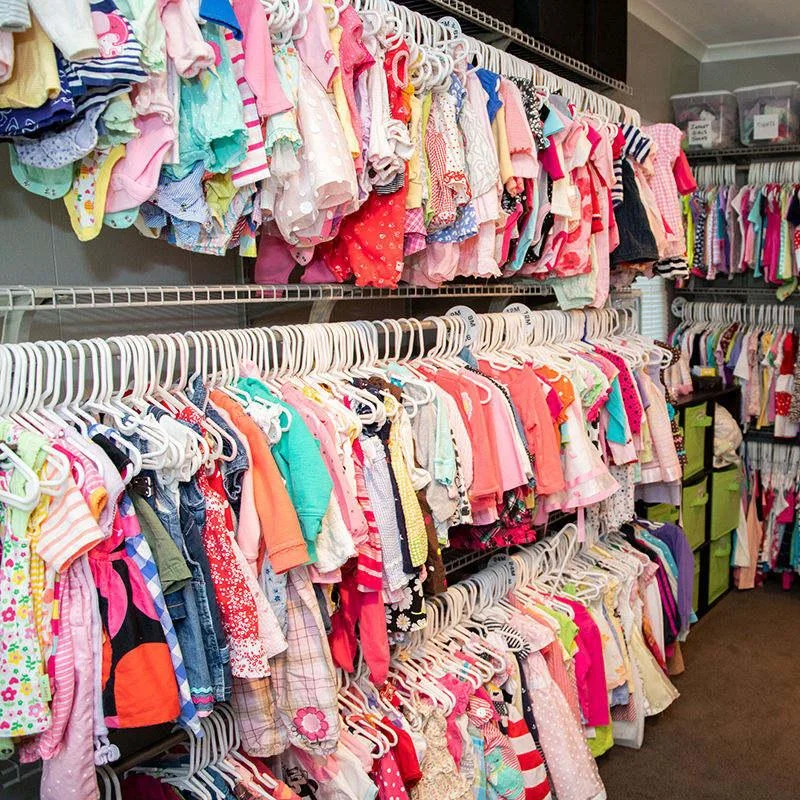
Building a successful kidswear brand involves much more than creating attractive designs. As a business grows, managing fabrics, manufacturing, quality control, packaging, inventory, and deliveries becomes increasingly important. A reliable supply chain allows a brand to maintain product quality while meeting customer demand without unnecessary delays or rising costs.
For growing kidswear businesses, supply chain problems can quickly affect customer satisfaction. Delayed production may result in missed seasonal sales, while inconsistent materials can lead to differences between product batches. Establishing a dependable supply chain from the beginning can help brands avoid these challenges and create a stronger foundation for long-term growth.
Understand Your Supply Chain From Start to Finish
The first step is to understand every stage involved in bringing a kidswear product to the customer. This may include fabric sourcing, design development, sampling, cutting, stitching, printing, embroidery, quality inspection, finishing, packaging, storage, and transportation.
When you know how each stage works, it becomes easier to identify potential delays and quality issues. Create a clear process for every product and determine who is responsible at each stage.
A well-organized supply chain should not depend on assumptions. Each supplier, manufacturer, and logistics partner should understand their responsibilities and expected timelines.
Choose the Right Manufacturing Partner
The manufacturer is one of the most important parts of a kidswear supply chain. A supplier may offer attractive prices, but that does not necessarily mean they are suitable for long-term business.
Evaluate their experience, production capacity, quality control, communication, minimum order quantities, customization capabilities, and delivery record.
For businesses sourcing from India, an experienced garments manufacturing company in kolkata can be considered when the supplier has the required kidswear expertise, production capabilities, and quality standards.
Before committing to large orders, request samples and, where practical, start with smaller production quantities. This gives you an opportunity to understand the manufacturer's working process before building a larger relationship.
Build Strong Supplier Relationships
A growing brand should avoid treating suppliers as short-term vendors. Building professional, long-term relationships can make production more predictable.
Communicate your expectations clearly and provide accurate specifications for every order. Discuss fabric requirements, measurements, colors, designs, packaging, labeling, quantities, and delivery deadlines in advance.
Good communication also makes it easier to deal with unexpected problems. If a fabric becomes unavailable or a production delay occurs, a supplier who knows your business well may be more willing to work with you on alternative solutions.
Maintain Consistent Fabric Quality
Fabric is one of the biggest factors affecting kidswear quality. Customers expect children's clothing to remain comfortable and attractive after repeated use and washing.
Choose suppliers carefully and establish clear fabric specifications. These may include material composition, weight, texture, color, stretch, and finishing requirements.
Keep an approved fabric sample or specification sheet for future reference. This can help you compare subsequent deliveries and identify differences between production batches.
Consistency becomes particularly important when your brand sells the same product in different colors or replenishes popular designs over time.
Create a Reliable Sampling Process
Sampling should be an important part of your supply chain rather than an optional step.
Before bulk manufacturing begins, evaluate the sample carefully. Check measurements, fabric, stitching, prints, embroidery, labels, buttons, zippers, and overall finishing.
If changes are required, communicate them clearly and request another sample when necessary. Once the sample is approved, keep a reference copy or detailed specification that the manufacturer can use during production.
This process helps reduce misunderstandings and gives both sides a clear definition of the finished product.
Establish Quality Control Standards
Quality control should happen throughout production. Waiting until finished products arrive at your warehouse can make it difficult and expensive to correct problems.
Develop a simple quality checklist covering the most important aspects of your garments. Depending on the product, this could include measurements, stitching, fabric defects, color consistency, printing, embroidery, fasteners, labels, and packaging.
For larger orders, consider conducting inspections during production as well as before shipment. Regular checks can help identify problems while there is still time to correct them.
Plan Inventory Carefully
Growing brands often struggle with finding the right balance between having enough inventory and avoiding excess stock.
Too little inventory can result in missed sales when popular products sell out. Too much inventory can tie up capital and create storage problems.
Use sales data to identify your best-selling sizes, colors, styles, and seasonal products. Start with realistic quantities and adjust future orders based on actual demand.
Inventory planning should also consider production lead times. If your manufacturer needs several weeks to complete an order, you need to plan replenishment before your current stock reaches a critical level.
Avoid Depending on a Single Supplier
Having one reliable manufacturer can be beneficial, but complete dependence on a single source can create risks.
Unexpected production issues, raw material shortages, machinery problems, or capacity limitations can affect your business if there is no alternative available.
Growing brands should gradually develop backup supplier options. This does not necessarily mean placing orders with multiple manufacturers immediately. Instead, maintain relationships with suitable alternatives so you have options if your primary supplier experiences a serious disruption.
Use Clear Product Documentation
As your product range grows, keeping product information organized becomes essential.
Create detailed specifications for each product. Include garment measurements, fabric details, colors, artwork, labels, packaging requirements, stitching instructions, and other important information.
Digital records can make it easier to share accurate information with manufacturers and reduce repeated discussions. Clear documentation is particularly useful when introducing a new supplier or producing an older design again after several months.
Plan for Seasonal Demand
Kidswear demand can change significantly throughout the year. Certain products may perform better during festivals, holidays, school seasons, summer months, or winter periods.
Study your sales history and identify when demand typically increases. Discuss seasonal requirements with manufacturers well in advance.
Placing production orders too late can lead to rushed manufacturing, higher costs, or missed sales opportunities. Early planning gives suppliers more time to arrange materials and production capacity.
Improve Communication Across Logistics
Manufacturing is only one part of the supply chain. Once products are finished, they still need to be packed, stored, transported, and delivered.
Choose logistics partners based on reliability, delivery coverage, tracking capabilities, and cost. Packaging should also protect garments from moisture, dust, damage, and handling issues.
Maintain clear communication between the manufacturer, warehouse, logistics provider, and internal team. Knowing where an order is at each stage makes inventory planning easier and allows you to respond quickly if delays occur.
Track Performance Regularly
A supply chain should be reviewed regularly as your business grows.
Track important performance indicators such as production lead time, defect rates, order accuracy, delivery performance, material shortages, and inventory turnover.
This information can reveal recurring problems. For example, if one product consistently arrives late, you may need to adjust its production schedule or discuss the issue with your supplier.
Regular evaluation also helps you identify opportunities to reduce costs without compromising quality.
Prepare for Business Growth
A supply chain that works for a small brand may not work when order volumes increase. Growing businesses should regularly evaluate whether their existing suppliers, systems, and logistics arrangements can handle future demand.
Discuss expansion plans with your manufacturing partners. Ask whether they can increase production when required and whether they can maintain the same quality standards at higher volumes.
Growth should be planned rather than treated as an emergency. Preparing suppliers and logistics partners in advance can make expansion considerably smoother.
Final Thoughts
A reliable kidswear supply chain is built through careful supplier selection, consistent quality standards, accurate documentation, effective inventory planning, and strong communication. Growing brands should focus not only on finding manufacturers but also on developing systems that make every stage of production and delivery predictable.
Start by understanding your current supply chain, identifying potential weaknesses, and building relationships with dependable partners. Maintain approved samples, establish quality standards, monitor inventory, and prepare alternative suppliers when necessary.
As your kidswear business grows, a well-managed supply chain can help you respond to customer demand, maintain product consistency, reduce unnecessary costs, and deliver collections on time. The goal is not simply to move products from a factory to a customer. It is to create a dependable system that supports your brand at every stage of its growth.