Sign up with Google
 Sign in with Zoho

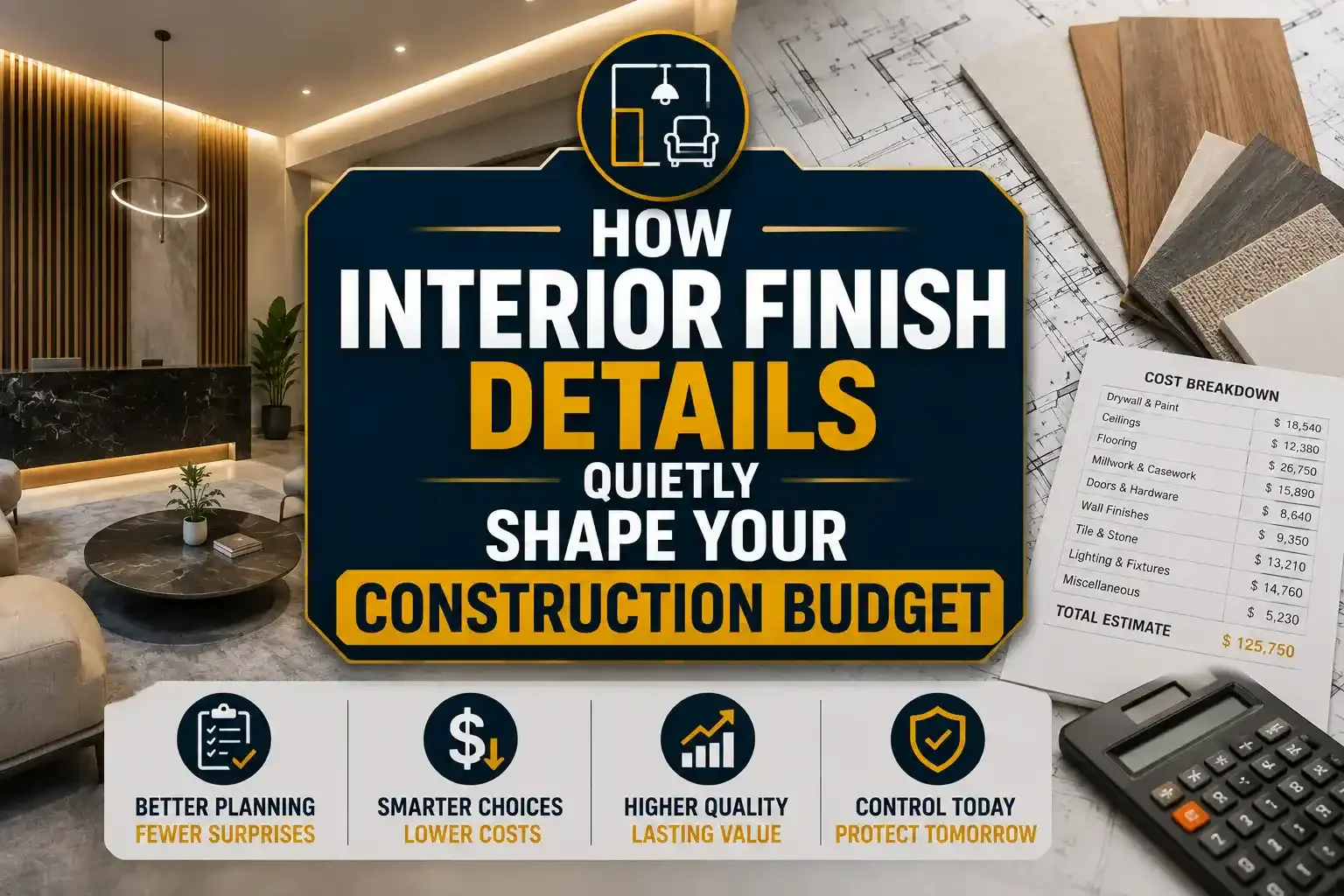
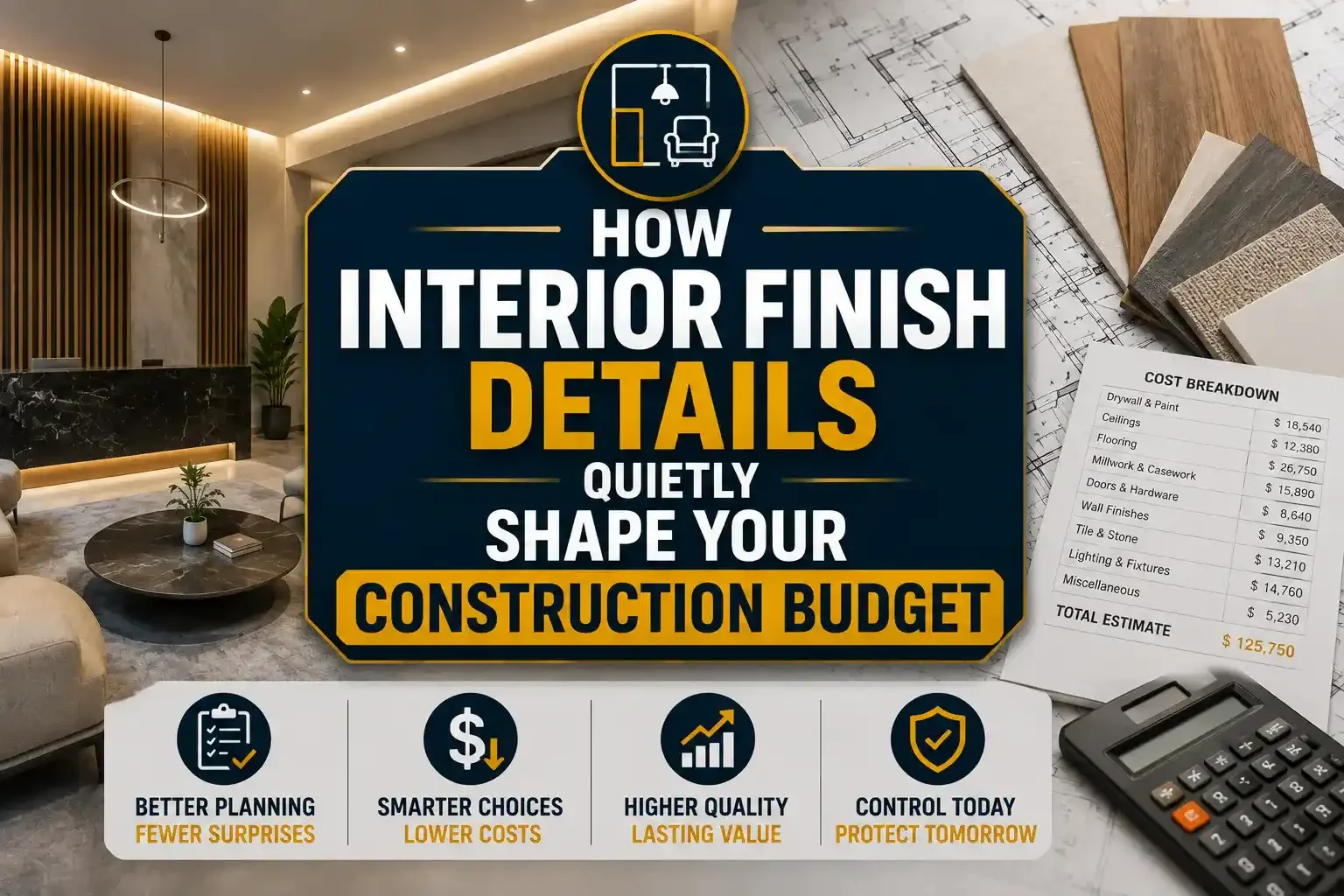
Walk into any well-designed home or office, and you'll notice the details before you notice the structure. The clean lines of a crown molding, the warmth of a custom staircase railing, the way a built-in cabinet fits perfectly into a corner. These finishing touches are rarely the first thing homeowners or developers budget for, yet they're often the details that define whether a space feels finished or unfinished.
The problem is, interior finish work is also one of the most underestimated cost categories in construction. It's easy to focus a budget on foundations, framing, and mechanical systems, only to realize late in the project that trim, cabinetry, and custom woodwork are eating into funds nobody planned for.
Why Finish Carpentry Gets Overlooked in Budgeting
Most budgeting conversations happen early in a project, long before finishes are selected. At that stage, it's easy to assign a rough placeholder number to interior details and move on to the bigger-ticket items like structural steel or HVAC systems.
The "We'll Figure It Out Later" Trap
Contractors and homeowners alike often push finish decisions to the end of a project, assuming there will be flexibility in the budget by then. But by the time trim, cabinetry, and molding decisions come up, most of the budget has already been allocated elsewhere, leaving little room for the level of detail originally imagined.
Custom Work Costs More Than It Looks
A simple baseboard swap to a more decorative profile, or upgrading from stock cabinetry to a custom-built kitchen island, can shift a budget significantly. These changes often look minor on a mood board but carry real cost implications once labor and material are factored in.
The Categories That Make Up Interior Finish Work
Interior finish carpentry covers more ground than most people realize. Understanding the categories helps set realistic expectations before a project begins.
Trim, Molding, and Millwork
Baseboards, crown molding, wainscoting, and window casings all fall under this category. These elements frame a room and create visual continuity throughout a space, but the level of detail chosen has a direct impact on both material and labor costs. For a deeper look at how these components are categorized and priced, this breakdown of millwork in construction covers the different types and the factors that influence estimation.
Custom Cabinetry and Casework
Kitchens, bathrooms, and built-in storage solutions are where custom woodwork tends to have the biggest budget impact. Stock cabinetry offers a cost-effective alternative, but custom pieces allow for tailored functionality and design that stock options simply can't match.
Staircases and Architectural Details
Staircases combine structural requirements with visual design, making them one of the more complex and costly finish elements in a build. Newel posts, balusters, and custom railings require precision craftsmanship that goes well beyond standard trim work.
Doors and Window Casings
Interior doors and their surrounding casings often get overlooked as a finish detail, but the difference between a basic hollow-core door and a solid custom option is noticeable both in cost and in the final look of a space.
Factors That Push Finish Carpentry Costs Higher
A handful of variables consistently drive up the cost of interior finish work, and understanding them ahead of time can prevent budget surprises later.
Material Grade
Hardwoods like oak, maple, and walnut come at a premium compared to softer, more affordable species like pine. The choice of wood affects not just cost but also durability and how well the finish will hold up over time.
Design Complexity
Intricate detailing, custom profiles, and one-of-a-kind pieces require significantly more labor hours than standard, mass-produced options. The more unique the design, the more time skilled tradespeople need to execute it properly.
Finishing Techniques
Staining, painting, sealing, and specialty coatings all add to the final price tag. High-quality finishes protect the wood and extend its lifespan, but that protection and appearance come at an added cost.
Installation Precision
Fitting custom trim, cabinetry, and stair components requires a level of craftsmanship that isn't interchangeable with general labor. Skilled installation adds cost but is often what separates a polished final product from one that looks rushed.
How to Budget More Accurately for Finish Work
A few practical strategies can help contractors and homeowners avoid the common pitfalls of underestimating interior finish costs.
Get Finish Selections Made Earlier
The earlier trim, cabinetry, and molding styles are chosen, the earlier accurate pricing can be locked in. Waiting until the final stages of a project almost always leads to rushed decisions and budget strain.
Separate Stock and Custom Line Items
Breaking out stock versus custom options in the budget makes it easier to see where costs are concentrated and where there might be room to adjust without sacrificing the overall design vision.
Request Detailed Estimates, Not Rough Allowances
A vague placeholder number for "finishes" leaves too much room for surprises. Detailed, itemized estimates that break down material, labor, and installation costs give a far more realistic picture of what a project will actually cost.
Work With Estimators Who Understand Finish Work
Not every estimator has deep experience pricing custom woodwork and finish carpentry. Working with professionals who specialize in this category helps avoid the common trap of underpricing details that end up costing far more once the project is underway.
Final Thoughts
Interior finish work may not carry the same weight as structural systems in a construction budget, but it plays an outsized role in how a finished space actually looks and feels. Skipping over these details in early budgeting almost always leads to compromises later, whether that means cutting corners on design or scrambling to find funds mid-project.
Planning for trim, millwork, cabinetry, and custom carpentry from the very beginning, rather than treating it as an afterthought, is what separates a project that feels genuinely finished from one that always seems just a little bit incomplete.