Sign up with Google
 Sign in with Zoho
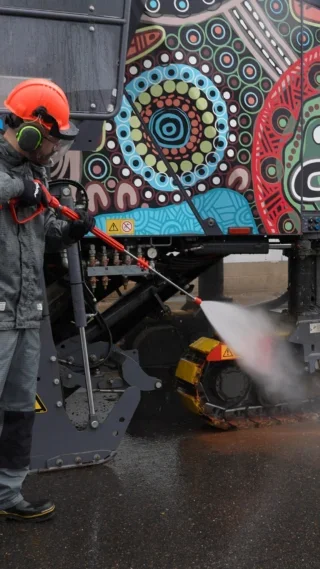
Professional cleaning often requires more than basic equipment and household tools. When dirt, grease, mud, oil, dust, and other stubborn contaminants build up on machinery, buildings, vehicles, concrete, or industrial surfaces, the right pressure cleaning equipment can make a significant difference. Commercial Pressure Washers are designed for businesses and professional operators who need dependable cleaning performance, consistent water pressure, and equipment capable of handling regular workloads.
Unlike light-duty machines intended for occasional domestic cleaning, commercial equipment is developed around more demanding applications. Depending on the model, businesses can choose from electric, petrol, diesel, cold-water, and hot-water configurations to match the cleaning environment and workload.
Why Commercial Pressure Washers Matter for Professional Cleaning
Commercial Pressure Washers provide a practical solution for businesses that need powerful cleaning equipment for regular jobs. Professional machines can deliver significantly higher pressure and water flow than typical domestic units, allowing operators to remove contaminants more efficiently from suitable surfaces.
Jetwave, for example, offers machines across professional and industrial usage categories, including equipment designed for continuous industrial applications. Its current range includes machines with different pressure and flow combinations, from professional daily-use units to heavy-duty industrial systems.
For professional operators, the benefits can include:
- Faster removal of stubborn dirt and grime
- Better cleaning consistency
- Equipment suited to regular workloads
- Different power options for different work environments
- Greater flexibility across commercial applications
- Compatibility with specialised accessories
The key is not simply choosing the machine with the highest PSI. Pressure, water flow, temperature, power source, duty cycle, and application should all be considered together.
Understanding PSI, Water Flow and Cleaning Performance
Two specifications commonly appear when comparing pressure washers: PSI and litres per minute (L/PM).
PSI, or pounds per square inch, indicates the pressure produced by the machine. Higher pressure can help break through difficult deposits when the equipment and nozzle are appropriate for the surface.
Water flow indicates how much water the machine delivers over a specific period. A higher flow rate can help move loosened dirt and contaminants away from the cleaning area.
For example, Jetwave's current range includes machines such as the Cadet G2 200-15 at 3000 PSI and 15 L/PM, while other industrial models offer substantially higher pressure and flow combinations.
Why Both Specifications Matter
A machine with high pressure but inadequate water flow may not provide the overall cleaning productivity expected for a particular commercial job. Similarly, high water flow without sufficient pressure may not effectively remove stubborn contamination.
Therefore, businesses should evaluate the complete specification rather than focusing on one number.
Cold Water vs Hot Water Pressure Washers
One of the most important decisions when selecting commercial cleaning equipment is whether a cold-water or hot-water machine is more appropriate.
Cold Water Machines
Cold-water pressure washers can be suitable for:
- General surface cleaning
- Concrete and pathways
- Building exteriors
- Equipment cleaning
- Vehicle washing
- Removing loose dirt and mud
- Routine maintenance tasks
Electric cold-water machines can also be practical where reliable electrical power is available. Jetwave's range includes three-phase electric cold-water equipment designed for continuous industrial use.
Hot Water Machines
Hot-water pressure washers add heat to the cleaning process, making them useful for applications involving grease, oil, and other difficult contaminants.
Jetwave's current range includes hot-water electric machines as well as petrol and diesel configurations. Some models are designed for professional daily use, while others are built for continuous industrial applications.
The correct choice depends on the type of contamination, cleaning frequency, available power, mobility requirements, and operating environment.
Electric, Petrol or Diesel: Which Power Source Fits?
Commercial equipment can use different power sources, and each configuration can suit different working conditions.
Electric pressure washers may be appropriate for fixed locations where electrical power is readily available. They can work well in workshops, factories, warehouses, and other controlled environments.
Petrol pressure washers provide mobility and can be useful for contractors and outdoor cleaning applications where access to mains electricity may be limited. Jetwave's PMG G2 350-23, for example, is a professional daily-use petrol machine rated at 5075 PSI and 23 L/PM.
Diesel-powered systems can be suitable for demanding industrial applications where heavy-duty performance and extended operation are required. Jetwave's Executive Silent 350-23 is an industrial hot-water machine designed for applications including mine sites, councils, shipyards, logistics, and oil and gas environments.
Common Applications for Commercial Pressure Washers
Professional pressure cleaning equipment can be used across many industries.
Construction
Construction companies can use high-pressure equipment for cleaning machinery, removing mud, preparing surfaces, and maintaining work areas.
Mining and Heavy Industry
Heavy industries often require robust equipment capable of operating for extended periods. Industrial machines can be used for equipment, machinery, work areas, and general maintenance cleaning.
Agriculture
Farms and agricultural businesses may use pressure washers for machinery, vehicles, equipment, buildings, and general maintenance.
Transport and Logistics
Commercial pressure cleaning equipment can help maintain trucks, trailers, transport equipment, loading areas, and other surfaces exposed to road grime and contaminants.
Councils and Facilities
Municipal and facility-maintenance teams may require professional equipment for public areas, infrastructure, buildings, pathways, and routine maintenance.
Features to Consider Before Buying
Before investing in commercial equipment, consider the following:
- Required pressure: Determine the PSI or BAR suitable for your applications.
- Water flow: Check the L/PM requirement for the workload.
- Water temperature: Decide whether cold or hot water is appropriate.
- Duty cycle: Match the machine to your expected operating hours.
- Power source: Consider electric, petrol, or diesel options.
- Mobility: Choose a trolley, skid, cube, or trailer configuration where appropriate.
- Accessories: Check hose, gun, lance, nozzle, and specialised accessory compatibility.
- Service support: Consider spare parts, servicing, and technical assistance.
Choosing according to these factors can help prevent buying equipment that is either underpowered for the application or unnecessarily large for the actual workload.
Why Duty Cycle Should Not Be Ignored
A pressure washer's duty cycle is particularly important for professional users. A machine designed for occasional use may not be suitable for a business operating equipment several hours every day.
Jetwave categorises its equipment by usage levels, including professional daily use and industrial continuous use. Its product information identifies industrial equipment for demanding environments such as mine sites, factories, shipping yards, councils, and contractors.
Matching the machine to its intended workload can support reliable operation and help businesses select equipment according to real-world requirements.
Maintenance Tips for Longer Equipment Life
Regular maintenance should be part of any commercial cleaning operation.
Simple practices include:
- Inspect hoses before use.
- Check fittings and connections regularly.
- Use the correct nozzle for the application.
- Follow the manufacturer's maintenance schedule.
- Keep filters clean.
- Monitor oil and fluid levels where applicable.
- Store equipment appropriately after use.
- Replace worn components promptly.
- Keep safety systems operational.
Good maintenance can help identify small problems before they develop into larger equipment issues.
Safety Comes First
High-pressure water can cause serious injuries and can damage unsuitable surfaces. Operators should always follow the manufacturer's safety instructions and use appropriate personal protective equipment.
Before starting work, inspect the hose, gun, lance, fittings, and nozzle. Operators should also understand the correct spray distance and pressure for the surface being cleaned.
Never assume that a higher pressure setting is automatically better. The correct combination of pressure, flow, nozzle, temperature, and distance should be selected for the particular application.
Conclusion: Choosing the Right Equipment with jetwave Group
Selecting the right pressure cleaning machine is about matching equipment capabilities with the actual demands of the job. A professional contractor may require a portable petrol-powered system, while a factory or mine site may need a continuous-use industrial machine. Similarly, some cleaning tasks can be handled effectively with cold water, while grease-heavy applications may benefit from hot-water technology.
jetwave Group offers a broad selection of high-pressure cleaning equipment, including professional and industrial machines, hot- and cold-water systems, water jetting equipment, vacuum cleaners, accessories, and spare parts. Its current product range includes configurations intended for different workloads and applications.
By considering pressure, water flow, temperature, power source, duty cycle, mobility, and servicing requirements, businesses can make a more informed equipment decision and build a cleaning setup suited to their everyday operations.