Sign up with Google
 Sign in with Zoho
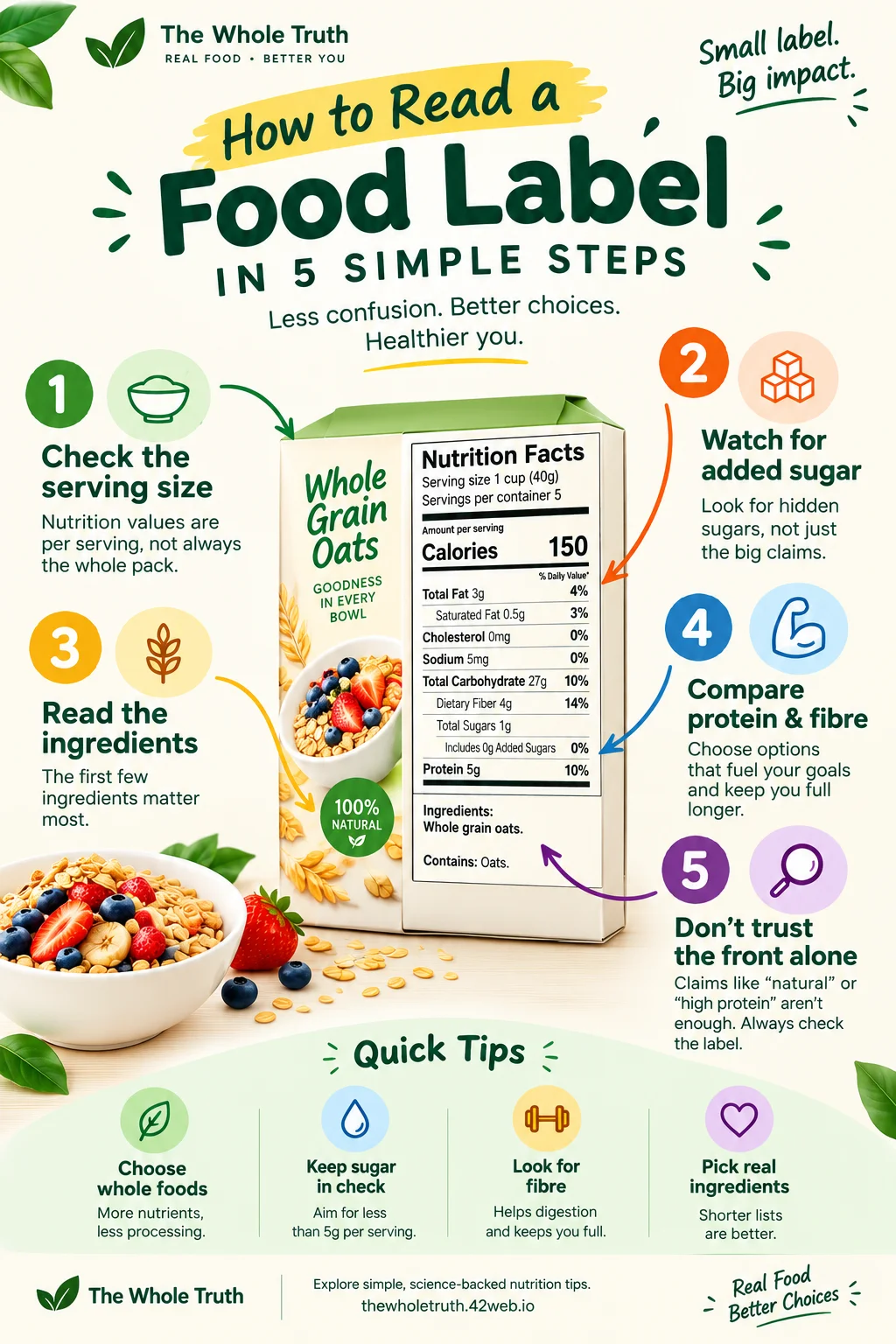
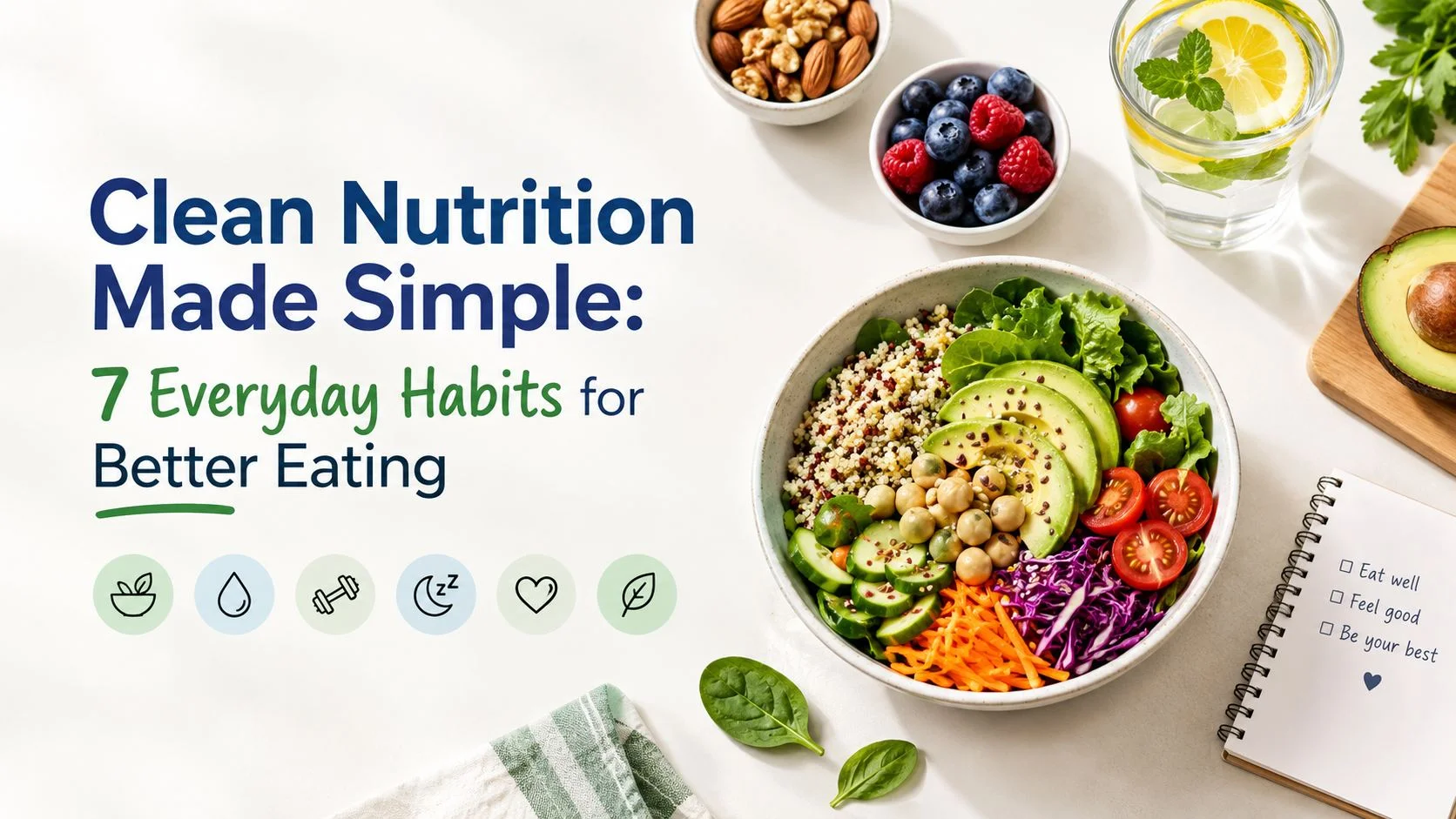
Sometimes it’s all in the little things – not a big diet shake up but subtle tweaks to eating patterns which help you thrive and make healthy food a lasting part of your life. Clean nutrition means getting to know your food, enjoying a range of wholesome foods plus developing good nutritional habits.
1. Focus on whole food
Fruits, veggies, whole grains, legumes, nuts and seeds are a great source of fibre plus they keep you satiated for longer. Try adding more of them to your meals – not necessarily cutting out all processed food (not even low-fat or wholegrain bread and cereals!) but aiming for a clean plate when you can.
2. Start reading labels
Not all food that claims to be healthy is always good for you. A closer look at the packet could save you from unwanted surprises. Compare similar supermarket items and always read the fine print before buying anything. Look at serving sizes, sugars, sodium, ingredients and nutritional content so that next time you can spot the healthier options easily.
3. Make sure to eat enough protein
These are essential to build and repair muscles – include plenty of lean meats like fish, chicken and turkey, legumes, milk, curd, paneer and eggs in your diet. Make a choice that suits you best as far as your health, budget and taste are concerned.
4. Eat plenty of fibre
This miracle nutrient keeps you full and your bowels healthy. Foods high in fibre are vegetables, fruits (especially berries), whole grains, oats as well as legumes and nuts. Have them regularly but don’t go overboard and drink plenty of water too.
5. Hydrate – a lot
Your body is made up mostly of water and proper hydration helps prevent many ailments. Make it a point to drink water throughout the day especially when at work or exercising. A normal adult can drink about 2-3l depending on activity level, body type and other factors. Carry that water with you wherever you go!
6. Practice balanced meals
A balanced plate should include a vegetable or fruit, some protein like eggs or paneer and some wholegrain carbs like brown rice and roti – plus healthy fats such as avocado, nuts and seeds. Stick to these proportions and eat until you’re full. Portion sizes could vary from person to person so go with what you feel is right for you.
7. Make these changes a lasting lifestyle
There is no point forcing yourself into a strict diet that you can’t stick to for long. Have wholesome meals and snacks ready so that you can eat conveniently. Don’t always deny yourself something you like – just indulge occasionally!
The Bottom Line
You don’t have to go overboard or become a ‘clean eating’ extremist – focus on learning and listening to your body. Begin with one or two food swaps and keep going until your nutritional knowledge grows. You could try reading labels at first then move on to something else.
Looking for more tips and information on how to read labels, eat healthy or take care of your body? Head on over to The Whole Truth and start educating yourself: https://thewholetruth.42web.io/?i=1
Note: This article does not constitute a substitute for personal medical assessment or advice. Any content provided does not replace the independent medical judgment of a healthcare professional and the reader should consult with their own doctor to determine the appropriateness of the information for their particular health condition.
1. Choose More Whole Foods
Fruits, vegetables, whole grains, beans, nuts, and seeds provide important nutrients and dietary fibre. Try including more of these foods in your regular meals. You don't need to eliminate every packaged food to eat well. The goal is to create a balanced diet that works for your lifestyle.
2. Learn to Read Food Labels
Food packaging can sometimes make products appear healthier than they are. Take a moment to check the serving size, added sugar, sodium, and ingredient list. Comparing similar products can help you understand their nutritional differences and make informed choices.
3. Include Protein in Your Meals
Protein supports muscle maintenance and helps the body repair tissues. Everyday options include lentils, beans, chickpeas, milk, curd, paneer, eggs, fish, and chicken. Choose sources that suit your preferences, budget, and dietary needs.
4. Don't Forget Fibre
Fibre supports digestive health and can help you feel satisfied after meals. You can increase your intake by eating vegetables, fruits, oats, whole grains, beans, and lentils. Add these foods gradually and drink enough water throughout the day.
5. Drink Enough Water
Water helps regulate body temperature, transport nutrients, and support normal bodily functions. Keep water accessible during work, exercise, and daily activities. Your fluid needs may vary depending on your activity level, climate, and health.
6. Keep Your Meals Balanced
A balanced meal can include vegetables or fruit, a source of protein, and whole grains or other carbohydrate-rich foods. Healthy fats from foods such as nuts, seeds, and oils can also form part of a balanced diet. Adjust portions according to your needs rather than following one rigid formula.
7. Build Habits You Can Maintain
Healthy eating doesn't require perfection. Plan a few meals ahead, keep nutritious snacks available, and make gradual changes instead of trying to change everything overnight. Enjoying your favourite foods in moderation can also help make your routine more sustainable.
Final Thoughts
Clean nutrition is not about chasing food trends or labelling every food as good or bad. It's about learning what your body needs and making thoughtful choices consistently. Start with one simple habit, such as reading food labels or adding vegetables to lunch, and build from there.
For more beginner-friendly information about food labels, nutrition awareness, and healthy eating, visit The Whole Truth: https://thewholetruth.42web.io/?i=1
This article is for general educational purposes and is not a substitute for individualized medical or dietary advice.