Sign up with Google
 Sign in with Zoho

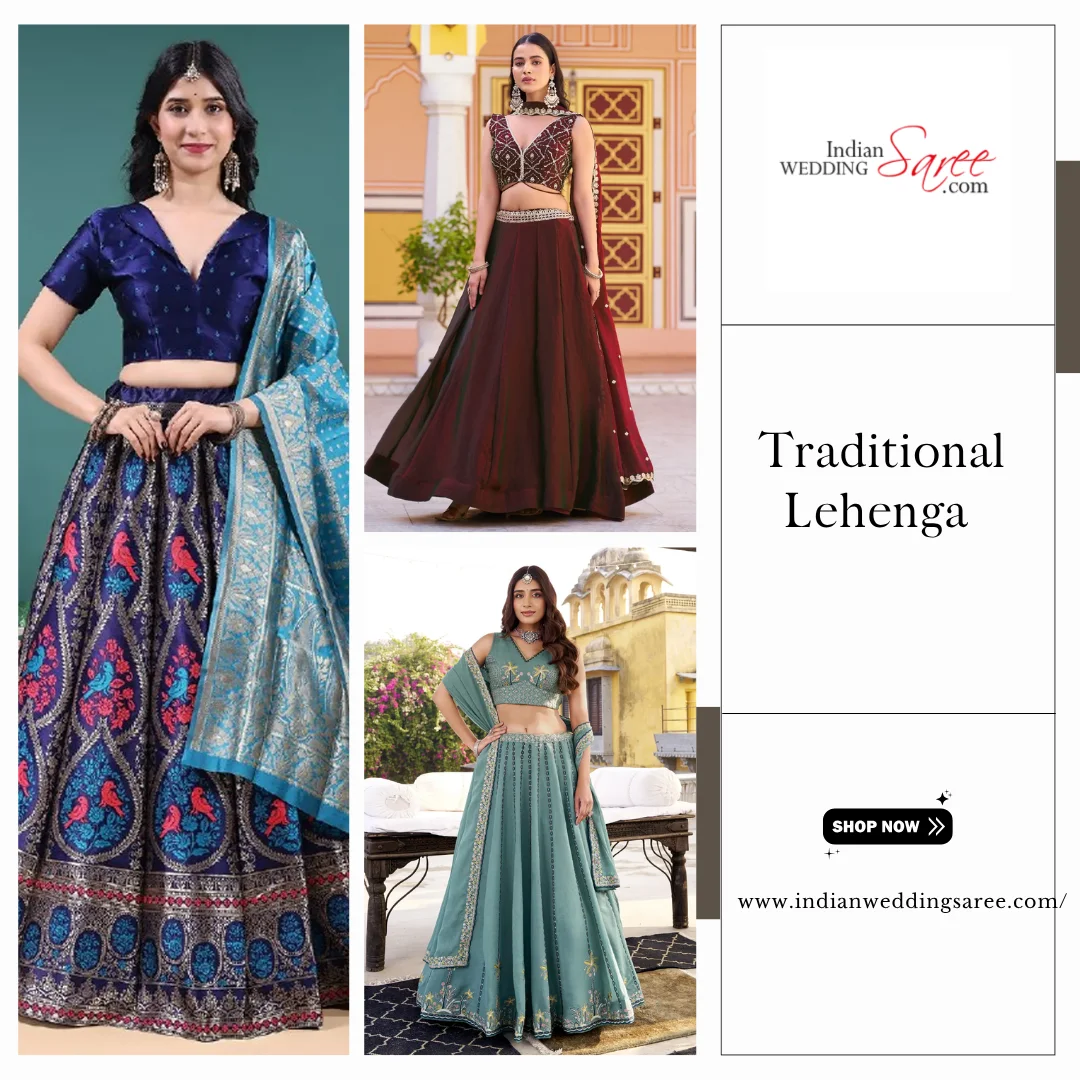
A Traditional Lehenga beautifully represents the richness of Indian fashion. From intricate embroidery and luxurious fabrics to graceful silhouettes and vibrant colours, this timeless outfit continues to evolve while keeping its cultural roots intact. Whether you are preparing for a wedding, attending a festive celebration, or looking for an elegant ethnic outfit, there are plenty of styles to explore.
Modern designers have introduced fresh cuts, lighter fabrics, contemporary blouses, and unexpected colour combinations into classic lehenga designs. This makes it easier to choose an outfit that reflects both traditional craftsmanship and personal style.
Why Traditional Lehenga Styles Never Go Out of Fashion
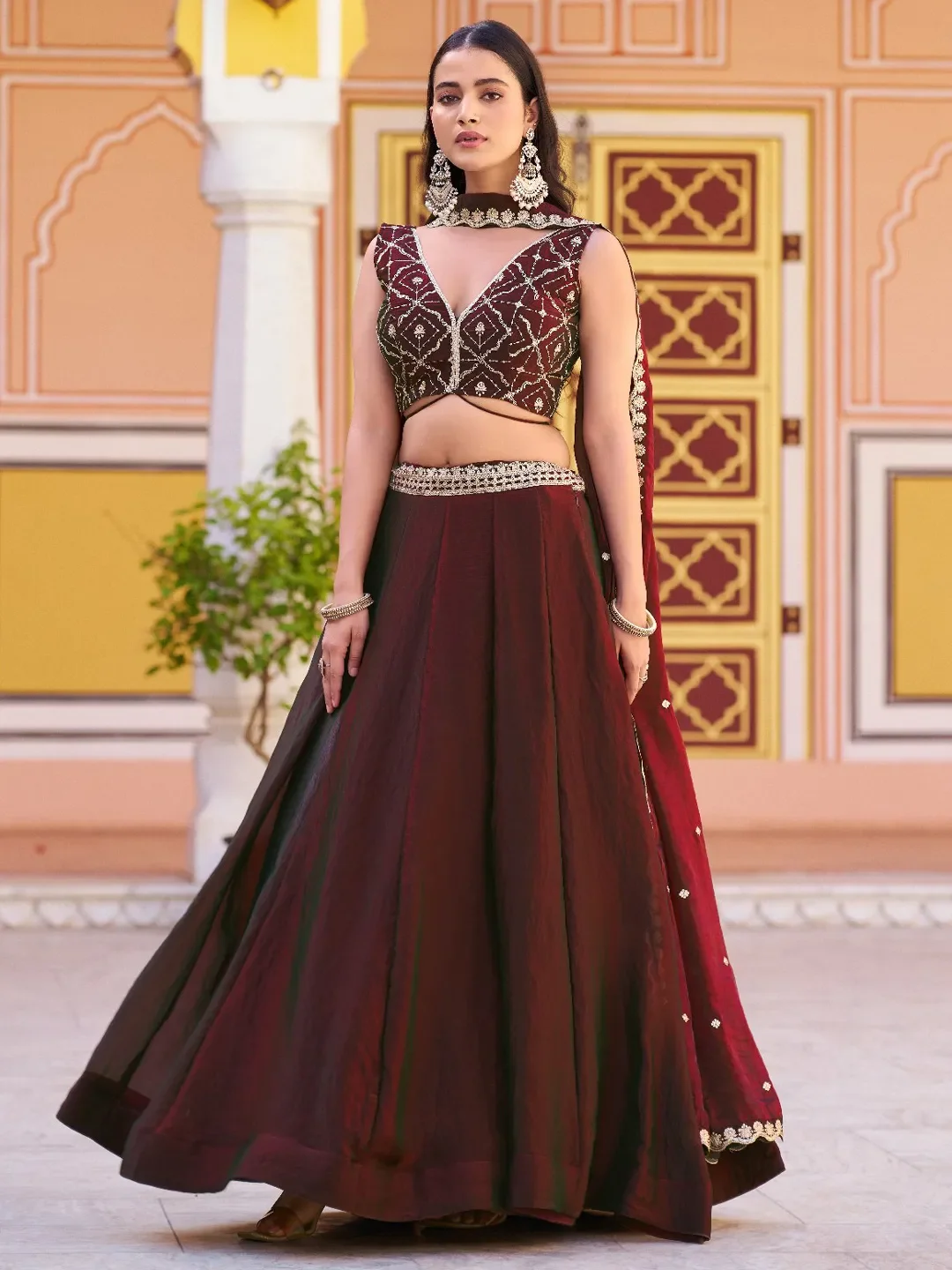
Traditional lehengas have remained popular because they combine heritage, elegance, and versatility. Their detailed craftsmanship gives them a distinctive identity, while different fabrics and silhouettes make them suitable for various occasions.
Some features that continue to make these outfits appealing include:
- Intricate embroidery inspired by Indian art and culture
- Rich fabrics such as silk, velvet, brocade, and georgette
- Beautiful traditional motifs and decorative borders
- Versatile designs suitable for weddings and festive occasions
- Easy styling with jewellery, dupattas, and modern accessories
A well-designed outfit can create a graceful appearance without relying entirely on heavy embellishment. This balance between tradition and contemporary fashion is one of the main reasons these styles remain relevant.
Classic Red Bridal Lehenga for a Timeless Look
Red has traditionally been one of the most loved colours for Indian bridal clothing. It represents celebration and elegance and creates a striking appearance in wedding photographs. A red Lehenga with gold embroidery can give a bride a rich and traditional look.
Classic bridal designs often include:
- Zari and zardozi embroidery
- Gold or antique-finish embellishments
- Floral and paisley motifs
- Detailed borders and traditional dupattas
- Matching bridal accessories
For a modern interpretation, choose a red skirt with balanced embroidery and pair it with a stylish blouse. A carefully draped dupatta and traditional jewellery can maintain the bridal character without making the overall look feel too heavy.
Regal Velvet Lehenga for Evening Celebrations
Velvet adds depth and richness to ethnic clothing. Its soft texture and luxurious appearance make it especially suitable for winter weddings, receptions, and evening functions.
Deep colours can make velvet outfits look particularly elegant, including:
- Maroon
- Wine
- Emerald green
- Navy blue
- Plum
- Deep pink
Gold embroidery against a dark velvet base creates a regal effect. Since velvet already provides a rich visual texture, avoid overloading the outfit with accessories. A statement necklace, earrings, or maang tikka can be enough to complete the ensemble.
Banarasi and Brocade Lehenga for Heritage Appeal
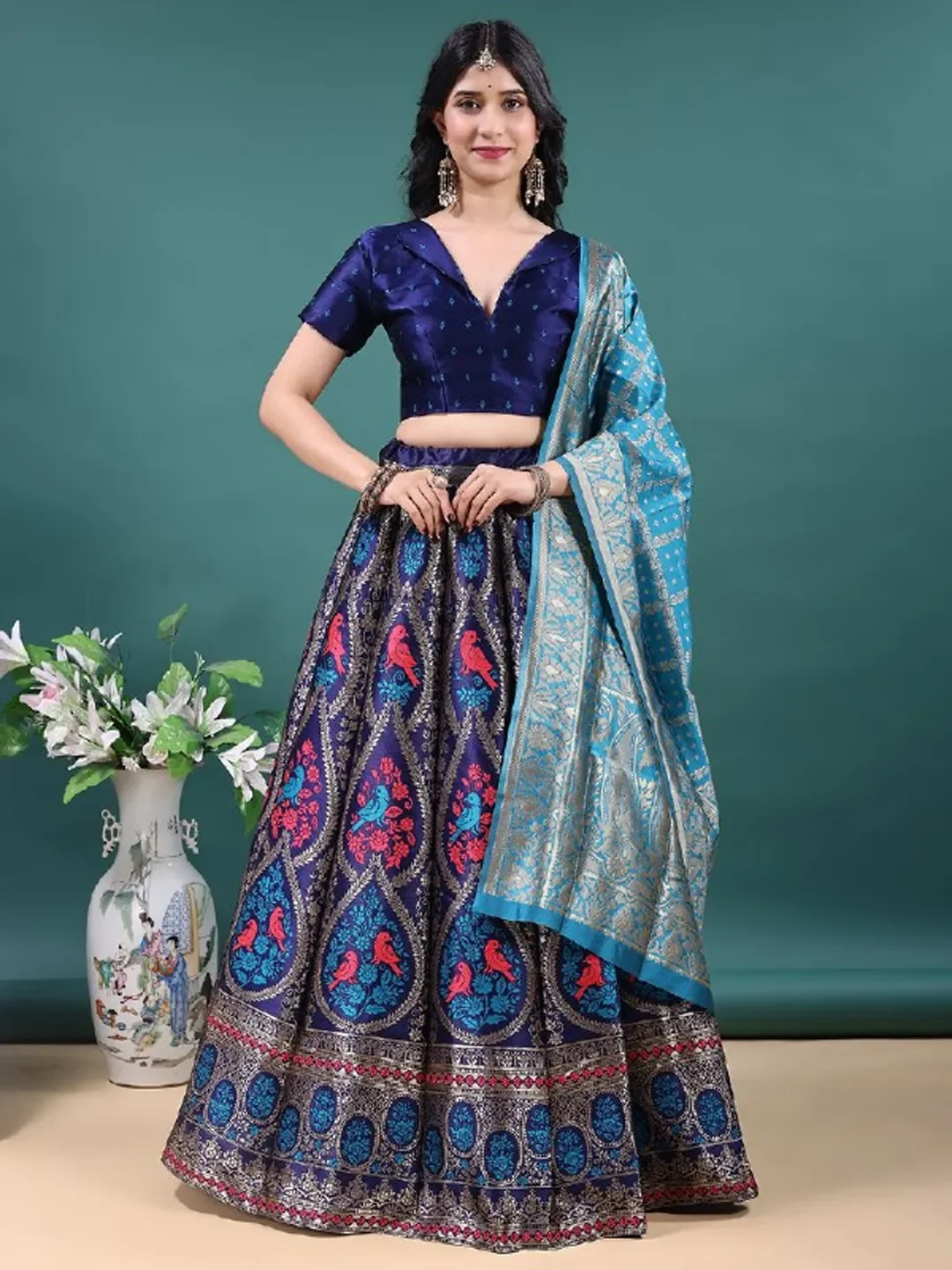
Banarasi-inspired fabrics and brocades are ideal for anyone who appreciates traditional Indian textiles. Their woven patterns and metallic details create visual interest without requiring excessive surface embroidery.
These fabrics can be styled in several ways:
- Pair a brocade skirt with a plain blouse for contrast
- Choose a matching blouse and skirt for a traditional appearance
- Add a lightweight embroidered dupatta for balance
- Use statement earrings instead of heavy jewellery
- Select contrasting footwear for a contemporary finish
A brocade outfit works beautifully for festive gatherings, engagement ceremonies, family celebrations, and traditional wedding functions.
A-Line Lehenga for an Elegant Silhouette
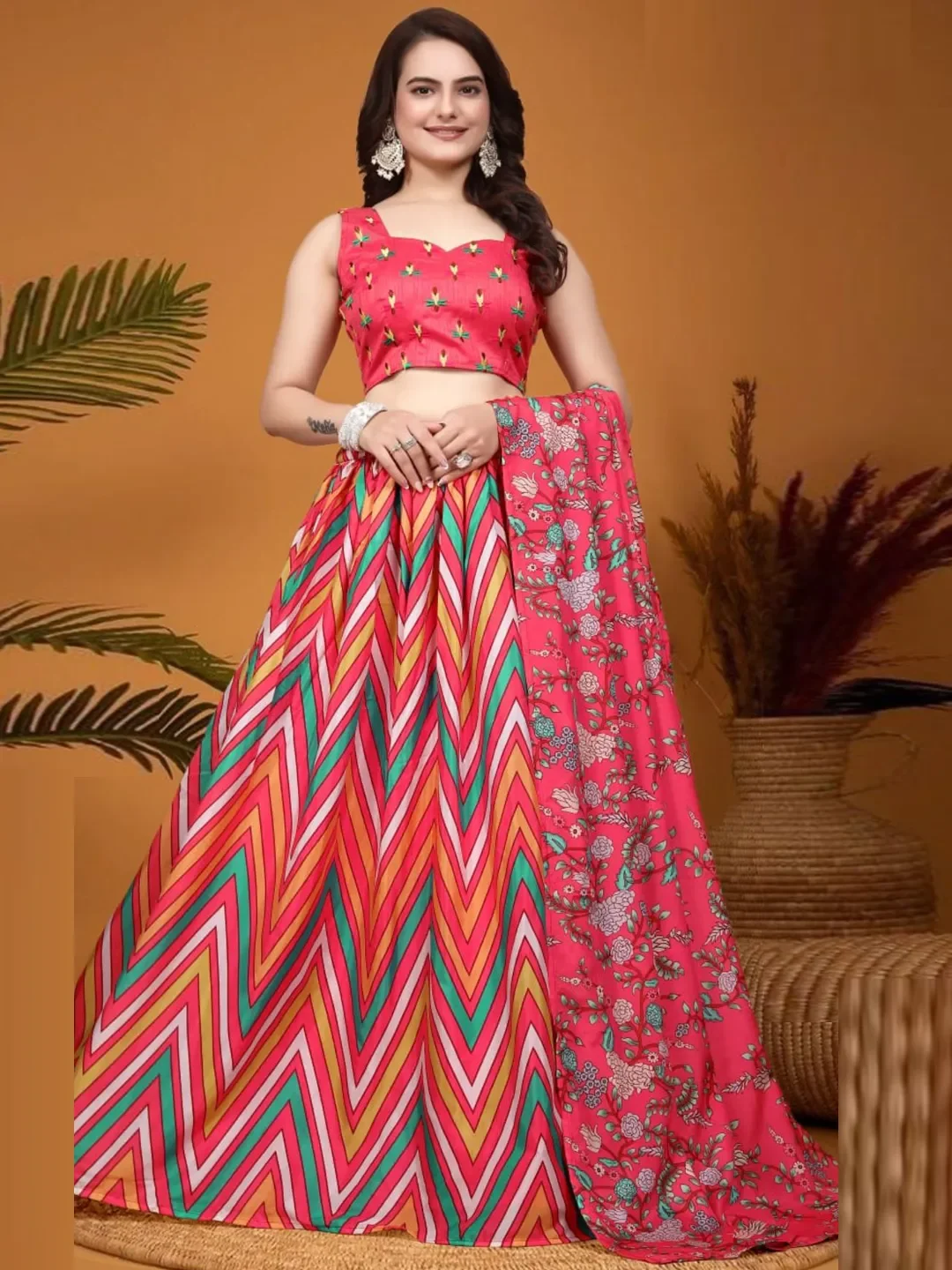
The A-line silhouette offers a graceful alternative to extremely voluminous bridal styles. It gradually flares from the waist, creating a streamlined and comfortable appearance.
This style can be especially useful when you want:
- Comfortable movement throughout the event
- A graceful and flattering silhouette
- Moderate rather than excessive volume
- Easy pairing with different blouse styles
- A polished look for daytime or evening functions
Floral embroidery, sequins, thread work, or delicate borders can enhance an A-line design. For a modern appearance, choose a simpler skirt with a detailed blouse or statement sleeves.
Mirror Work Lehenga for a Vibrant Festive Look
Mirror work brings energy and sparkle to Indian ethnic fashion. The reflective details catch the light beautifully, making this style particularly suitable for mehendi ceremonies, sangeet celebrations, and festive parties.
Popular ways to style mirror work include:
- Colourful thread embroidery with small mirrors
- Pastel bases with subtle reflective detailing
- Bright skirts with contrasting blouses
- Traditional mirror-work borders
- Minimal jewellery with statement earrings
If the outfit contains extensive mirror work, keep the accessories relatively simple. This allows the embroidery to remain the main attraction while creating a balanced overall appearance.
Pastel Lehenga for a Contemporary Traditional Look
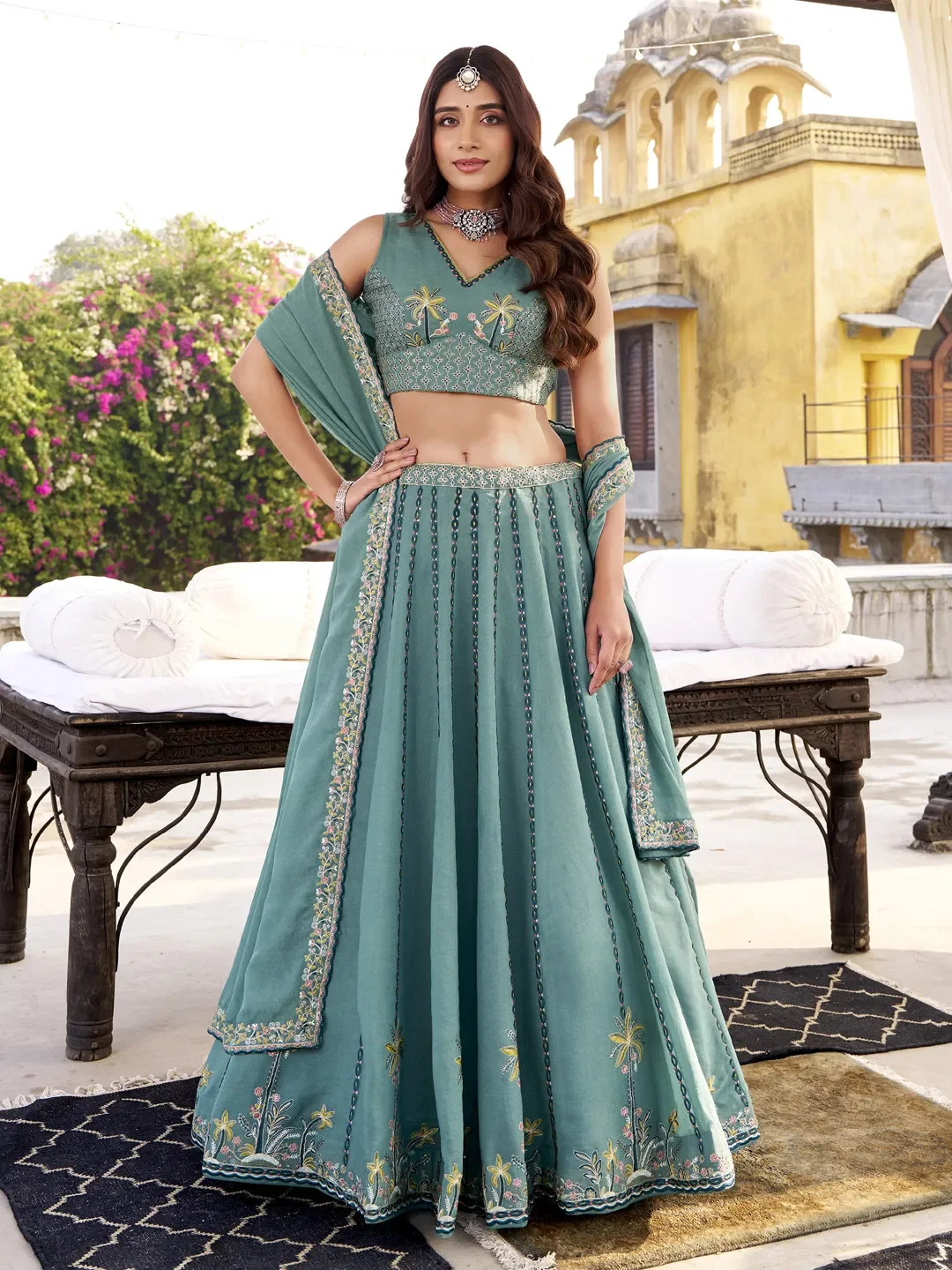
Pastel colours have become increasingly popular in modern Indian occasion wear. Shades such as blush pink, peach, lavender, mint, powder blue, and ivory offer a softer alternative to traditional deep colours.
A pastel outfit can still retain its traditional identity through:
- Gold or silver embroidery
- Gota patti detailing
- Floral motifs
- Embroidered dupattas
- Decorative traditional borders
Pastel designs work particularly well for daytime weddings and engagement celebrations. They also create a sophisticated appearance without the visual heaviness sometimes associated with heavily embellished bridal clothing.
Embroidered Lehenga for Every Wedding Function
Embroidery can completely transform a simple outfit into an elegant celebration-ready ensemble. Depending on the technique and density, an embroidered design can look traditional, luxurious, minimal, or contemporary.
Common embroidery choices include:
- Floral thread work for a soft appearance
- Zari work for traditional elegance
- Sequins for subtle sparkle
- Zardozi for a luxurious bridal finish
- Resham embroidery for colourful detailing
The amount of embroidery should match the occasion. A heavily embellished design can work well for the wedding ceremony, while lighter embroidery may be more practical for an engagement, mehendi, or daytime celebration.
Contemporary Blouse Designs to Modernise a Traditional Look
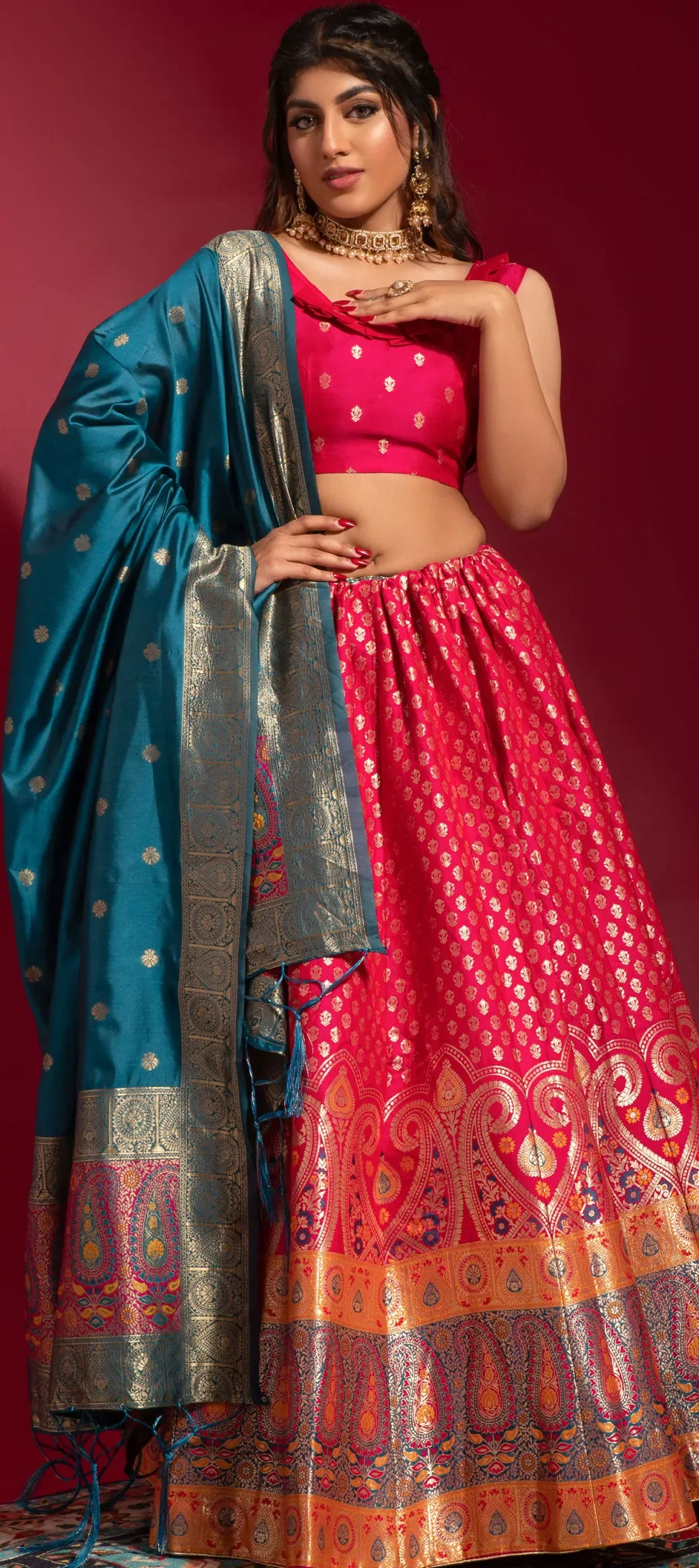
The blouse is one of the easiest elements to change when you want to give a classic outfit a modern personality. A traditional skirt can look completely different when paired with a contemporary blouse.
Consider styles such as:
- High-neck blouses
- Structured crop-style blouses
- Long-sleeve designs
- Cape-inspired tops
- Statement sleeves
- Modern neckline variations
You can also experiment with fabric contrast. A richly embroidered skirt can be paired with a simpler blouse, while a plain skirt can be enhanced with a detailed or statement blouse.
Dupatta Styling Ideas for a Polished Appearance
A dupatta can influence the overall appearance of the outfit just as much as the skirt or blouse. The right drape can enhance the silhouette while adding another layer of colour and texture.
Some popular styling approaches include:
- Draping the dupatta over one shoulder
- Creating a front pleated drape
- Carrying it across both shoulders
- Using a contrasting dupatta for visual interest
- Choosing a lightweight dupatta with a heavily embroidered outfit
For wedding ceremonies, traditional draping can create a graceful appearance. For receptions and parties, a simpler drape can provide greater freedom of movement.
How to Choose the Right Traditional Lehenga for Your Occasion
The occasion should play an important role when selecting your outfit. A wedding ceremony may call for richer fabrics and detailed embroidery, while a mehendi or daytime event may be better suited to lightweight fabrics and vibrant colours.
Keep these factors in mind:
- Wedding: Choose rich embroidery, traditional colours, or luxurious fabrics.
- Reception: Consider sophisticated colours and contemporary silhouettes.
- Mehendi: Try colourful mirror work, floral prints, or lighter designs.
- Engagement: Opt for elegant embroidery and balanced embellishment.
- Festive event: Experiment with vibrant colours, brocade, or traditional motifs.
The venue and weather should also influence your decision. Heavy velvet may be ideal for a winter evening but uncomfortable during a warm daytime celebration.
How to Balance Jewellery with Your Lehenga
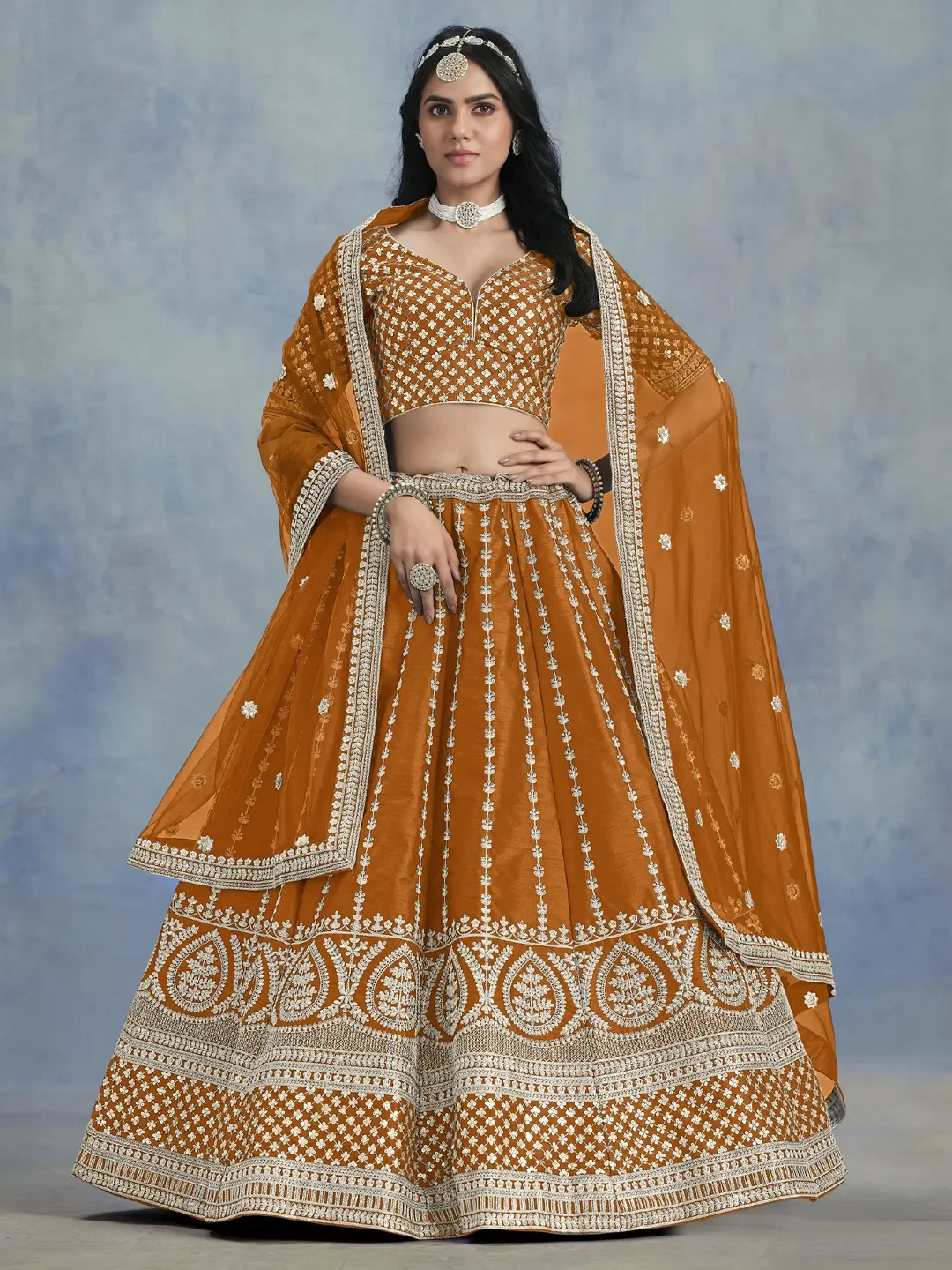
Jewellery should complement the outfit rather than compete with it. If your skirt and blouse already contain extensive embroidery, minimal accessories can create a more refined appearance.
For a heavily embellished outfit, consider:
- One statement necklace
- Elegant jhumkas
- A traditional maang tikka
- Simple bangles
- A refined bracelet
For a simpler outfit, you can make jewellery the focal point. Kundan, polki, pearl, or temple-inspired pieces can add a traditional finish while allowing you to personalise the overall look.
Choosing the Right Fabric for Comfort and Style
Fabric affects not only the appearance of a lehenga but also its comfort, movement, and suitability for the season. Understanding the characteristics of different materials can help you make a more practical choice.
Consider these popular options:
- Silk: Rich, traditional, and ideal for formal occasions
- Velvet: Luxurious and suitable for cooler weather
- Georgette: Lightweight and comfortable for movement
- Organza: Structured and elegant with a contemporary feel
- Brocade: Traditional with distinctive woven patterns
Always consider how long you will be wearing the outfit. Comfort becomes particularly important during long wedding ceremonies and celebrations.
Traditional Fashion with a Contemporary Twist
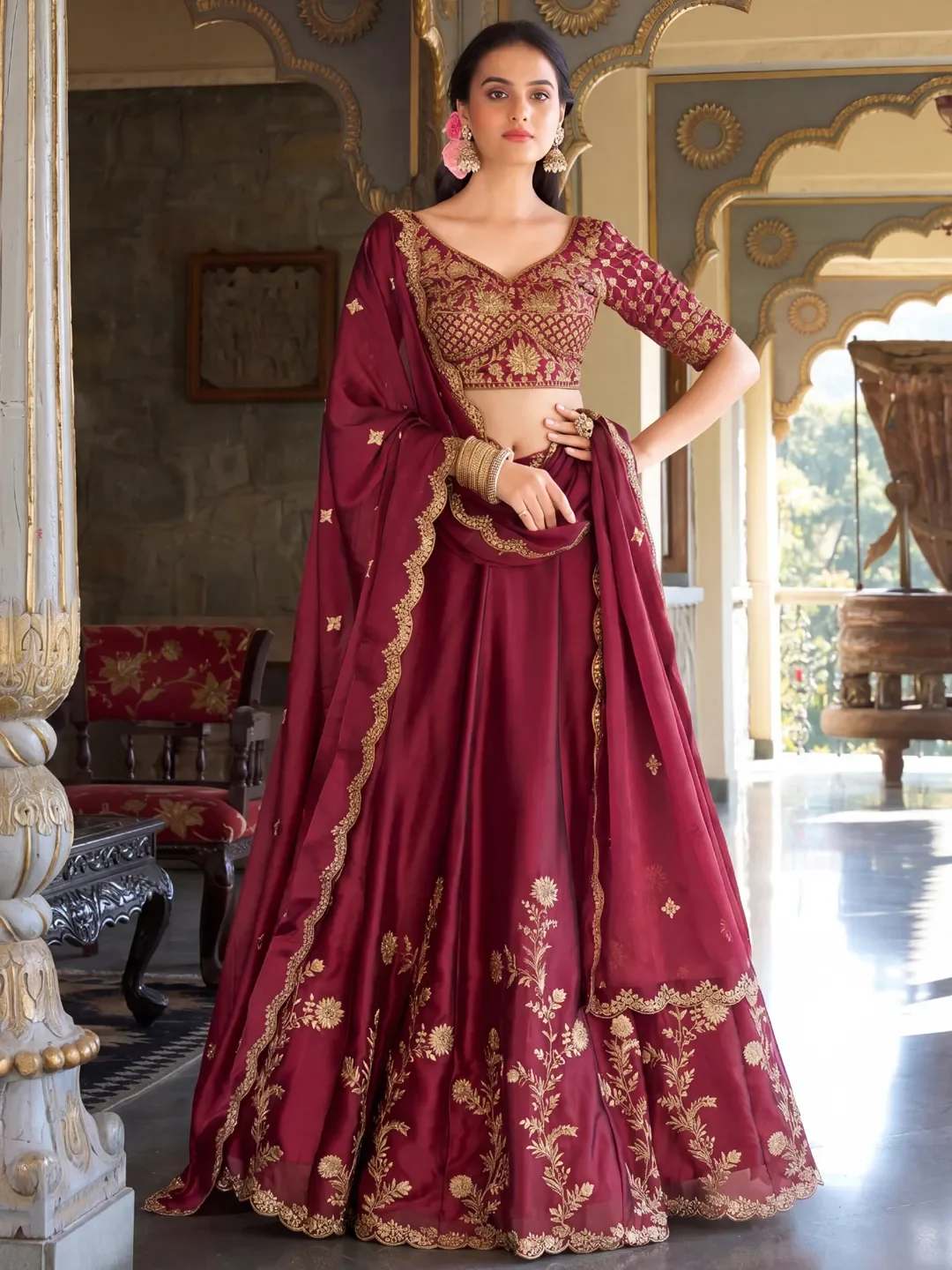
The most exciting aspect of modern ethnic fashion is the freedom to combine old and new. You can choose a traditional fabric but pair it with a contemporary blouse. Similarly, a classic embroidery technique can look fresh when used on a pastel base.
Try combining:
- Traditional embroidery with modern silhouettes
- Heritage fabrics with contemporary blouses
- Classic colours with minimal styling
- Pastel shades with traditional motifs
- Heavy skirts with lightweight dupattas
This approach allows you to celebrate Indian craftsmanship without feeling restricted to one particular fashion era.
Styling Tips for a Complete Traditional Look
Creating a polished appearance involves more than selecting the outfit. Hair, makeup, footwear, jewellery, and the dupatta should all work together.
A few useful styling principles include:
- Select accessories according to the level of outfit embellishment.
- Match footwear with the event and expected amount of walking.
- Choose makeup that complements the outfit's colour palette.
- Keep the hairstyle practical as well as elegant.
- Try the complete outfit before the event to check comfort and movement.
The goal should be balance. Every element does not need to be dramatic for the overall appearance to feel special.
Why Traditional Lehenga Styles Continue to Evolve
Indian ethnic fashion continues to change because modern wearers want clothing that reflects both cultural identity and individual preferences. Designers are responding by creating lighter silhouettes, experimenting with colours, and introducing practical styling options.
This evolution does not remove the traditional character of the outfit. Instead, it gives classic craftsmanship a fresh setting. As a result, women can enjoy heritage-inspired clothing while choosing silhouettes and styling details that suit contemporary lifestyles.
Conclusion
From classic red bridal designs and luxurious velvet styles to brocade, mirror work, pastel shades, and elegant A-line silhouettes, Traditional Lehenga fashion offers something for every celebration. The right choice depends on the occasion, fabric, colour, comfort, embroidery, and personal style.
You can keep your look completely traditional or combine heritage details with contemporary elements for a more modern appearance. Explore different silhouettes and fabrics to find a style that makes you feel confident and comfortable. Indian Wedding Saree offers a variety of Indian ethnic styles for wedding and festive occasions. With Indian Wedding Saree, exploring traditional and contemporary fashion can become an enjoyable part of preparing for your special celebration.
FAQs
1. Which colour is best for a traditional bridal lehenga?
Red remains a classic bridal choice, but maroon, pink, gold, emerald, ivory, and other colours are also popular. The best shade depends on personal preference, ceremony style, and overall wedding theme.
2. Can a traditional lehenga have a modern design?
Yes. Contemporary blouses, pastel colours, lighter fabrics, minimal embroidery, cape details, and modern draping techniques can give traditional outfits a fresh appearance.
3. Which lehenga is suitable for a daytime wedding?
Pastel, lightweight, embroidered, or softly coloured designs are excellent for daytime weddings. Shades such as blush, peach, mint, ivory, and powder blue can create an elegant appearance.
4. How can I style a traditional lehenga for a modern look?
You can use a contemporary blouse, minimalist jewellery, modern dupatta draping, refined makeup, and a sleek hairstyle. Keeping one main statement element often creates a polished result.
5. Where can I explore traditional Indian lehenga styles?
You can explore different ethnic silhouettes, colours, fabrics, and embroidery options at Indian Wedding Saree, which offers traditional and contemporary Indian occasion wear for different celebrations.