Sign up with Google
 Sign in with Zoho

What is ISO 14001 certification
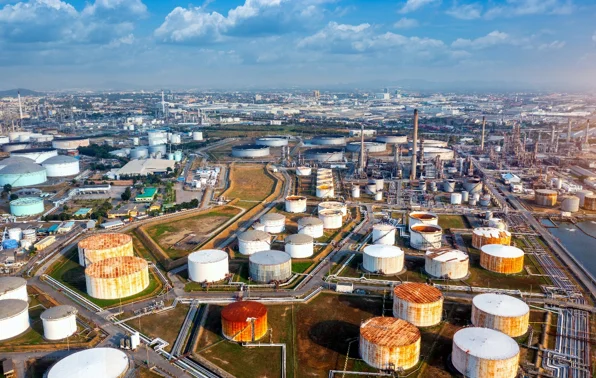
The oil and gas industry has always been at the center of global economic growth. It fuels transportation, powers industries, and supports countless manufacturing processes that people rely on every day. At the same time, it is one of the industries under the greatest environmental scrutiny. Every stage of its operations—from exploration and drilling to refining and distribution—has the potential to affect air quality, water resources, biodiversity, and surrounding communities.
In recent years, sustainability has shifted from being a corporate initiative to becoming a business necessity. Governments are tightening environmental regulations, investors are evaluating companies based on Environmental, Social, and Governance (ESG) performance, and customers increasingly expect businesses to operate responsibly. For oil and gas companies, meeting these expectations requires more than simply complying with environmental laws. It requires a structured approach to managing environmental responsibilities across every level of the organization.
This is where ISO 14001 certification makes a significant difference. The internationally recognized standard helps organizations build an Environmental Management System (EMS) that not only reduces environmental risks but also improves operational efficiency and supports long-term sustainability goals.
The Environmental Reality of the Oil & Gas Industry
Few industries interact with the environment as extensively as oil and gas. Exploration activities disturb natural landscapes, drilling operations consume large quantities of resources, and refining processes generate emissions and waste that must be carefully controlled.
Even with advanced technologies, environmental risks remain part of daily operations. A minor equipment failure can lead to fuel leaks, while improper waste handling can contaminate soil or groundwater. Air emissions from processing plants also contribute to climate-related concerns, making environmental management a top priority for companies operating in this sector.
The challenge is not simply avoiding environmental incidents. Companies must demonstrate that they actively identify risks, prevent pollution, and continually improve their environmental performance. ISO 14001 provides the framework needed to achieve these objectives.
Understanding What ISO 14001 Really Offers
Many people assume ISO 14001 is only about meeting legal requirements, but its value extends far beyond compliance.
The standard encourages organizations to evaluate how their activities affect the environment and establish practical systems to manage those impacts. Instead of reacting to environmental problems after they occur, companies learn to identify potential issues early and put preventive measures in place.
This proactive approach helps organizations make better operational decisions while integrating environmental responsibility into everyday business activities.
Rather than creating additional bureaucracy, ISO 14001 often simplifies environmental management by bringing all processes under one organized system.
Sustainability Is Becoming a Business Requirement
The conversation around sustainability has changed dramatically over the last decade. Businesses are no longer judged solely by their financial performance. Environmental responsibility has become equally important.
Oil and gas companies face increasing pressure from:
- Government regulators
- International investors
- Business partners
- Local communities
- Environmental organizations
- Global supply chains
Companies that fail to demonstrate responsible environmental practices risk losing contracts, facing regulatory penalties, and damaging their reputation.
Organizations with strong environmental management systems are generally viewed as lower-risk partners, making sustainability a competitive advantage rather than simply a compliance exercise.
Managing Environmental Risks Before They Become Problems
One of the biggest strengths of ISO 14001 is its focus on prevention.
Instead of waiting for spills, emissions violations, or waste management issues to occur, organizations identify environmental risks during normal planning and operational activities.
For example, an oil refinery implementing ISO 14001 may regularly inspect storage tanks, monitor emission levels, review waste disposal procedures, and evaluate emergency response plans before problems develop.
This preventive mindset reduces operational disruptions while protecting both the environment and the company's financial performance.
Companies that consistently manage risks are also better prepared for regulatory inspections and customer audits.
Improving Operational Efficiency Through Better Environmental Management
Environmental responsibility and operational efficiency often go hand in hand.
Many oil and gas organizations discover that implementing ISO 14001 helps uncover hidden inefficiencies within their operations.
For example, monitoring energy consumption may reveal opportunities to reduce electricity usage. Improved maintenance schedules can decrease fuel consumption while extending equipment life. Better waste segregation can lower disposal costs and increase recycling opportunities.
These improvements create measurable financial benefits while reducing environmental impacts.
Rather than viewing sustainability as an expense, many organizations begin seeing it as an investment that delivers long-term returns.
Building a Strong Culture of Environmental Responsibility
Environmental management cannot succeed through policies alone. Employees at every level play an important role in protecting the environment.
ISO 14001 encourages organizations to involve employees in environmental initiatives through regular training, awareness programs, and clearly defined responsibilities.
When workers understand why environmental procedures matter, they become more proactive in identifying risks and suggesting improvements.
A technician who notices an unusual equipment leak, for example, may report it immediately because environmental awareness has become part of the company's culture rather than simply another workplace rule.
This culture of responsibility often leads to continuous improvement across multiple departments.
Meeting Growing Regulatory Expectations
Environmental legislation continues to evolve across the world, particularly for industries with significant environmental impacts.
Oil and gas companies must comply with regulations covering emissions, wastewater management, hazardous waste handling, chemical storage, emergency preparedness, and environmental reporting.
Keeping up with changing regulations can become increasingly complex.
ISO 14001 helps organizations create structured processes for identifying applicable legal requirements, monitoring compliance, maintaining documentation, and reviewing environmental performance regularly.
Instead of scrambling to meet new regulations after they are introduced, certified organizations are usually better prepared because environmental compliance is already integrated into their management systems.
Midway through implementing an Environmental Management System, many organizations seek professional guidance to ensure every requirement is addressed effectively. Businesses interested in obtaining ISO 14001 certification in Singapore can benefit from expert support throughout the implementation and certification process.