Sign up with Google
 Sign in with Zoho
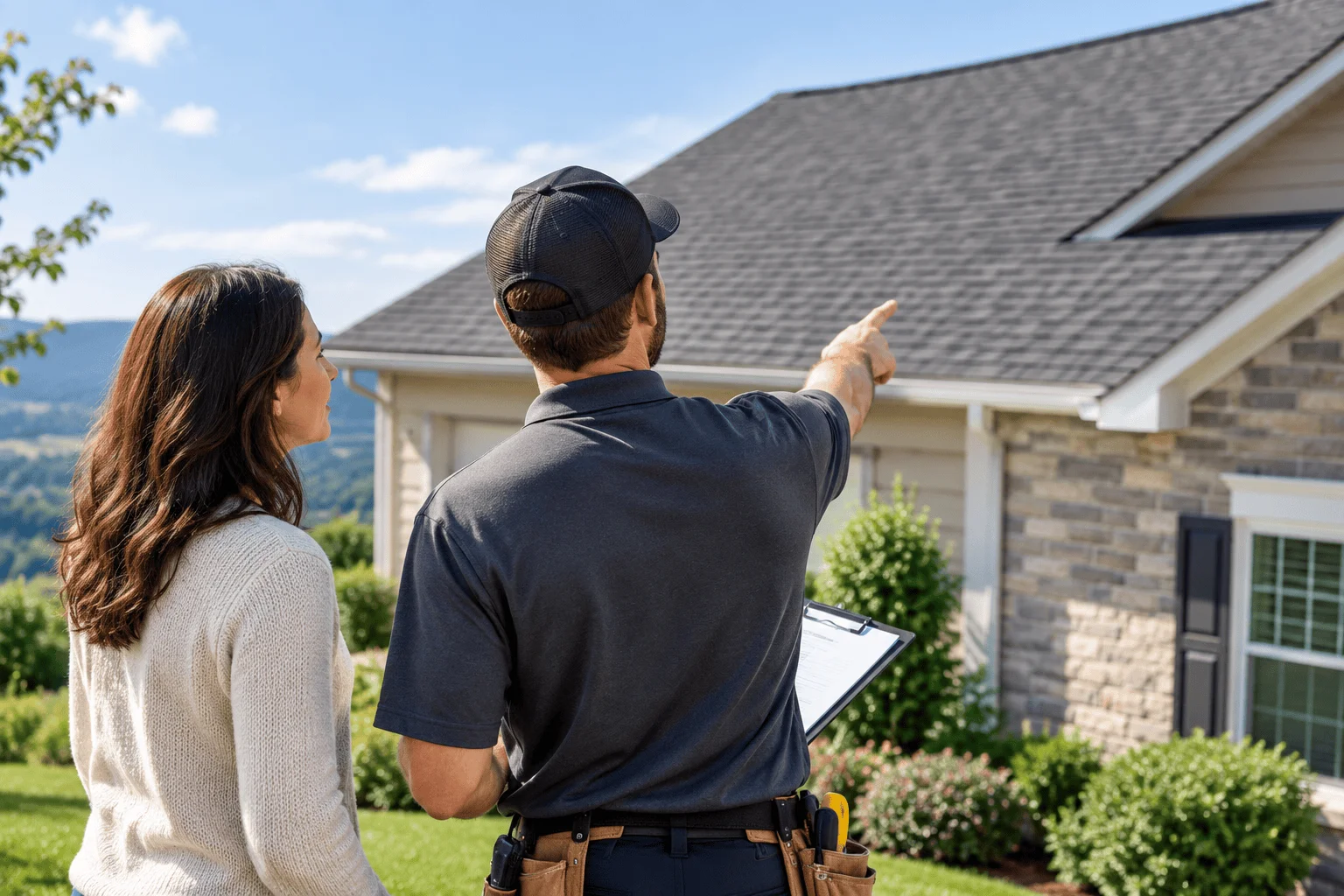
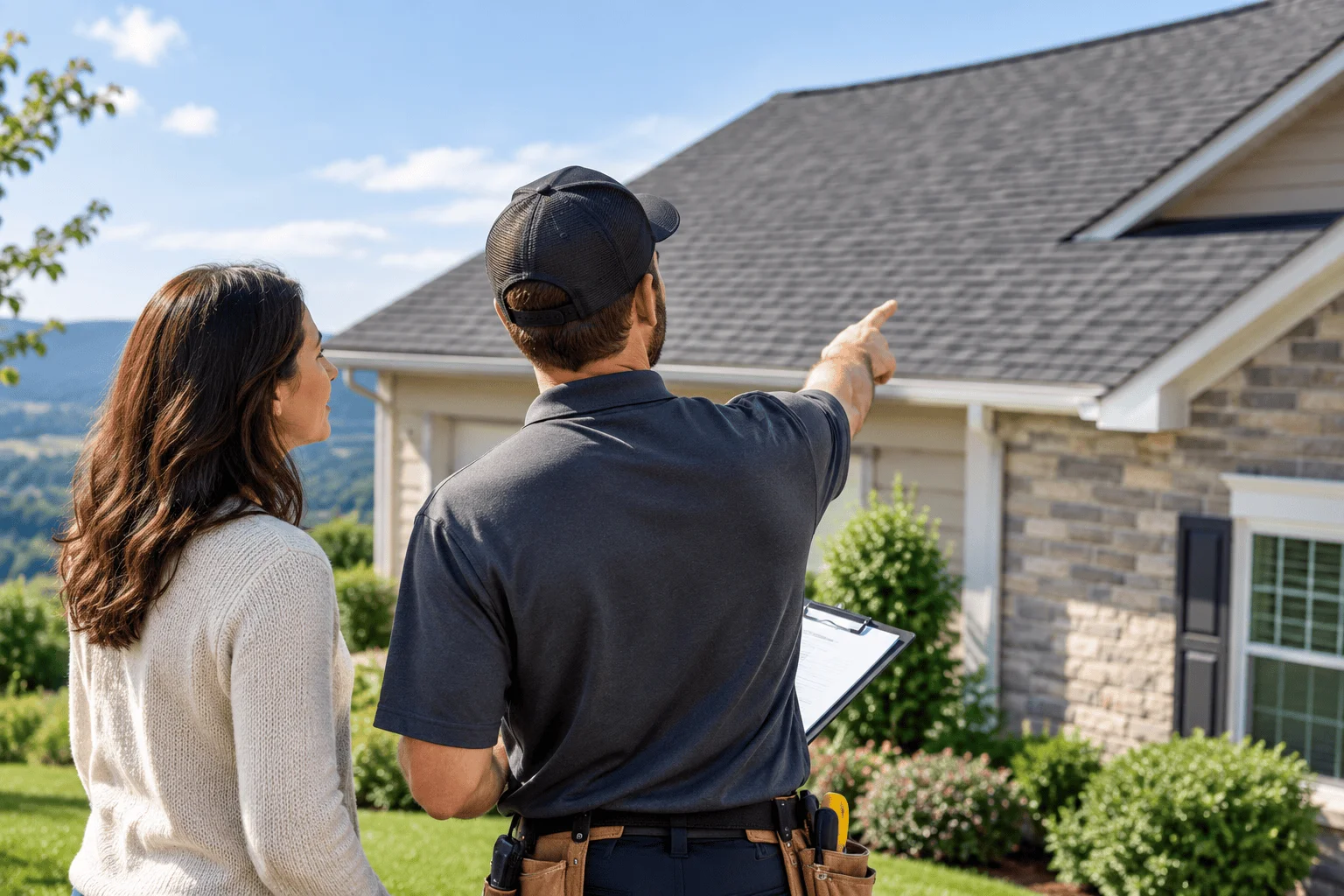
A new roof is one of the largest exterior investments you will make. In New Jersey, where homes endure humid summers, icy winters, and coastal storms, a roof has to hold up through dramatic seasonal swings. Planning ahead makes the project smoother and less expensive. If you are researching roof replacement NJ options, this roadmap covers when to replace, how to choose materials, what to budget for, and how to hire the right people.
When Is It Time to Replace?
Age is a good starting point, and a qualified roofers NJ team can help you judge it. Asphalt shingles commonly last around 20 years or more, while metal, slate, and tile can last far longer. But age alone does not tell the whole story. Ventilation, installation quality, tree cover, and weather all play a part.
Common signs that replacement is due include curling or cracked shingles, bald spots where granules have worn away, leaks that return after repairs, sagging decking, and visible daylight in the attic. If a contractor estimates that repairs will cost a large share of a new roof, replacement is usually the better value.
Step One: Get a Thorough Inspection
Before you collect quotes, have a professional inspect the roof, attic, and decking. A good inspection looks at:
- Shingle condition and remaining life
- Flashing at chimneys, walls, and penetrations
- Roof deck soundness
- Attic ventilation and insulation
- Gutters, fascia, and soffits
- Signs of moisture, mold, or pests
Ask for photos and a written summary so you understand what is wrong and why. This documentation also helps if you need to file an insurance claim.
Step Two: Choose Your Materials
Architectural asphalt shingles give most homeowners the best combination of price, durability, and appearance. Look for products with strong wind ratings.
Metal roofing costs more upfront but lasts much longer, sheds snow, and can improve energy efficiency.
Composite and synthetic slate mimic natural stone or cedar with lighter weight and better impact resistance.
Natural slate and clay tile are premium options with exceptional longevity but require reinforced framing and specialist installers.
Low-slope systems such as TPO, EPDM, or modified bitumen are used on flat or nearly flat sections.
Consider the architecture of your home, your neighborhood's character, and your long-term plans. If you will sell within a few years, mid-grade shingles in a classic color may offer the best return.
Step Three: Understand What a Full Replacement Includes
A complete project should cover:
- Removal of existing roofing and underlayment
- Inspection and repair of the deck
- Drip edge installation
- Ice and water shield in valleys, eaves, and other vulnerable spots
- Synthetic underlayment
- New flashing around all penetrations
- Shingle or roofing system installation following the manufacturer's specifications
- Ridge and attic ventilation
- Magnetic sweep and full cleanup
Proper flashing and ventilation are the details that separate long-lasting roofs from ones that fail early. If a quote ignores them, ask why.
Step Four: Find and Compare Contractors
Hiring is where many homeowners feel the most uncertain. Work with a qualified, licensed roofers NJ team and ask these questions:
- Are you licensed and fully insured, including workers' compensation?
- How many roofs like mine have you completed recently?
- Will your own crews do the work, or do you use subcontractors?
- What materials and underlayment do you recommend, and why?
- Who handles permits and inspections?
- What warranties are included for the product and the installation?
- Can I speak with recent customers?
Get at least three itemized quotes. Compare the scope of work line by line rather than choosing on price alone.
Step Five: Budget Realistically
Costs depend on roof size, pitch, complexity, number of layers to be removed, and the materials you choose. Steep roofs with many valleys and dormers take more labor than simple gable roofs. Hidden decking damage can add to the cost, so ask how the contractor will price repairs if rotted wood is found.
Consider the whole cost of ownership, not just the initial price. A better roof with a stronger warranty and longer lifespan can cost less per year of service.
Insurance and Financing
If storm damage occurred, notify your insurer promptly and keep photos. Coverage rules vary, and your policy determines what is paid for. Many contractors also offer financing plans. Compare interest rates, terms, and any fees, and do not feel pressured to decide on the spot.
Permits and Local Rules
Most New Jersey municipalities require permits for roof replacement. A reputable contractor should know the local process and handle the paperwork. Confirm who is responsible, because unpermitted work can create problems when you sell your home or file a claim.
Timing Your Project
Spring and fall are popular for good reason: moderate temperatures help shingles seal properly. Summer heat can make shingles tender and easily scuffed, while winter requires extra care with sealing strips. If you have an active leak, do not wait for the perfect season. Temporary protection can hold you over until a full replacement is scheduled.
Protecting Your New Roof
After the project, schedule periodic inspections and clean gutters regularly. Trim branches that touch the roof, and watch for damaged shingles after storms. Keep documentation of the warranty and the work done. Good maintenance habits keep a new roof performing and help preserve its warranty coverage.
Final Thoughts
Roof replacement is a big decision, but you can approach it with confidence by taking the process one step at a time. Start with a clear inspection, choose materials that fit your home and budget, and insist on complete, itemized proposals. Choose the contractor who explains things patiently and backs the work.
When you are ready to begin, request an inspection and compare options for roof replacement NJ projects with a team that stands behind its workmanship. Connecting with the right roofers NJ can turn a stressful project into a smooth upgrade.