
 Sign up with Google
 Sign in with Zoho
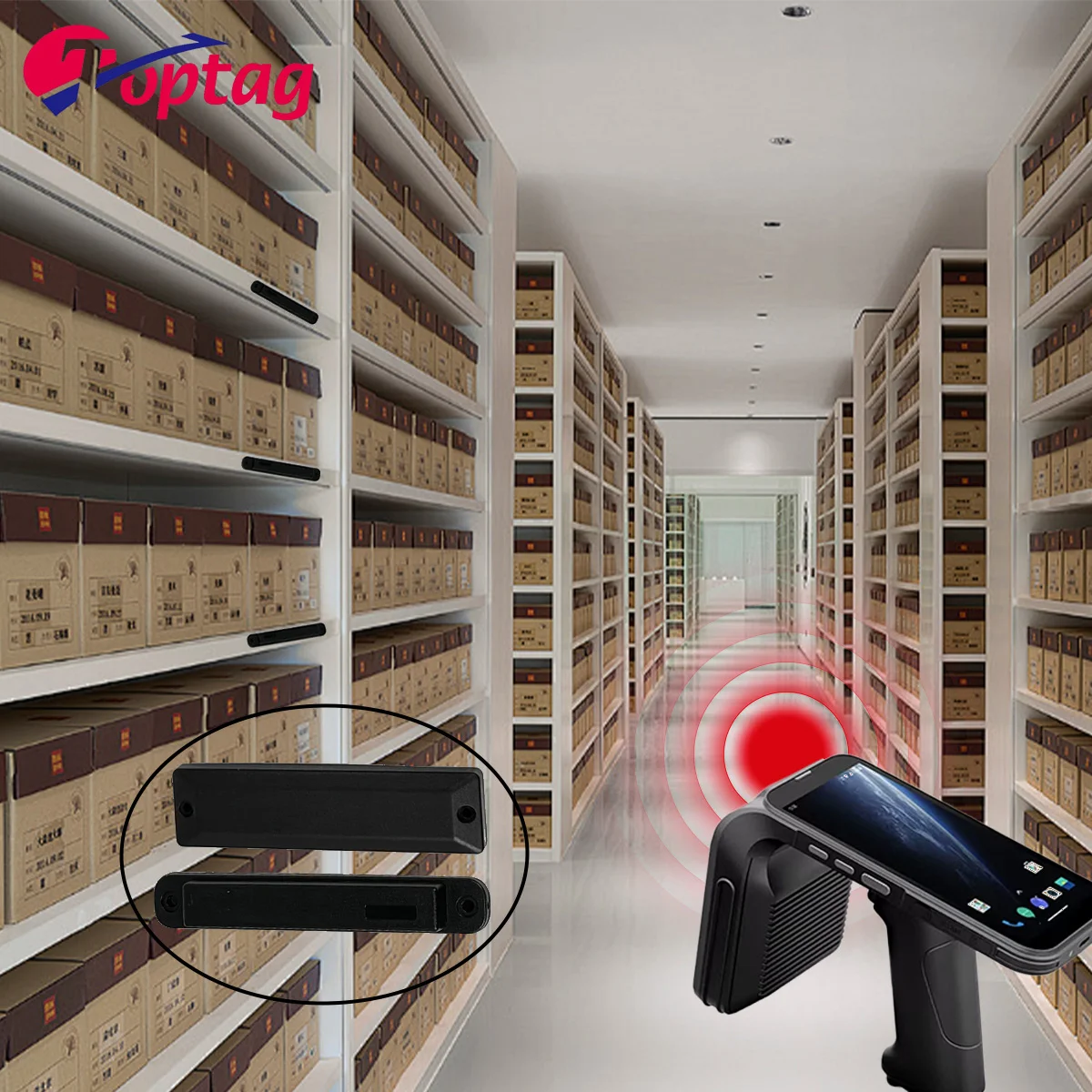
Ask any shop manager what swallows their Monday mornings and many will say stock counts. Barcodes help, yet somebody still has to scan every item one at a time. That is why more retailers and warehouses now buy RFID shelf tag products that can be read in bulk, from a distance, with no clear line of sight. Shenzhen TopTag Technology Co., Ltd has spent years making RFID tags and labels for this kind of work, so its team knows where buyers tend to go wrong.
What Should You Check Before You Buy RFID Shelf Tag Products?
Start with the job the tag has to do. A tag stuck on a metal rack behaves very differently from one on a plastic bin or a cardboard box. Before you buy RFID shelf tag stock, jot down answers to a few simple questions:
- What surface will the tag sit on: metal, glass, plastic or paper?
- How far away will the reader be?
- Will the tags face heat, damp, dust or cleaning products?
- Are you tracking single items, cartons or whole pallets?
- How many tags do you need now, and how many by next year?
Those answers stop you paying for features you will never use. They also stop you ordering tags that fail in month two.
Frequency, Size and Material: Getting the Specification Right
Frequency comes first. Low frequency tags suit short-range work such as access control and animal identification. High frequency and NFC tags handle mobile payments and close-range reading. Ultra-high frequency (UHF) tags read from several metres away, which is why they dominate warehouse and retail tracking. For most shelf-edge jobs, UHF is the sensible pick.
Size and shape matter too. A slim label fits a narrow shelf edge, while a larger tag copes better with pallets and crates. Material is the third piece. Paper and PET labels work well indoors, whereas hard encapsulated tags survive knocks, moisture and rough handling. Metal shelving needs anti-metal tags, otherwise the signal gets scrambled.
Many people buy RFID shelf tag labels on price alone and then wonder why read rates disappoint. Match the specification to the environment and the results improve.
How Can a Reliable RFID Tag Supplier Make Your Daily Life Easier?
A good RFID tag supplier does far more than post boxes. They help you choose the right chip and antenna, explain what will and will not work, and sort problems out when they appear.
Quality starts on the production line. A careful process looks like this: the chip is bonded to the antenna, the antenna is tuned for strong signal transmission, each tag is encoded with its own data, a protective layer seals it against wear, and every finished product is tested. Skip any of those steps and you will see the damage in the field.
Capacity matters as well. An RFID tag supplier with several dedicated production lines can keep quality steady, handle large orders and hold lead times down. Drawing on more than one factory also helps keep prices fair without cutting corners.
What Makes Custom Tag Orders Worth the Extra Conversation Up Front?
Standard tags cover plenty of cases, but shops and warehouses rarely look the same. Some need an odd shape to fit a rail, others want a particular material or an extra function. A manufacturer that handles design, production and technical consulting under one roof can tailor tags by function, shape, material, size and quantity. That helps when you need to buy RFID shelf tag stock in an unusual size.
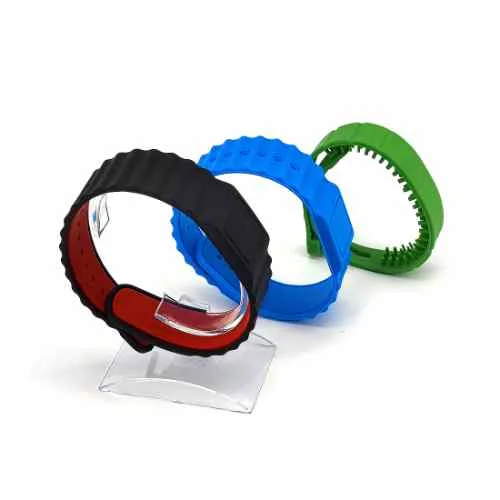
The same flexibility shows in specialist products. Gas cylinder tags, nail tags, waste bin tags, tyre tags and animal labels all start from one idea: build the tag around the object, not the other way round. Add personal service from a technician who answers questions properly, and you avoid the guesswork behind costly reorders.
Simple Steps to Test Your Tags Properly Before Placing a Bulk Order
- Request samples in the exact size and material you are considering.
- Fix them to your real shelves, not a tidy desk.
- Scan with your own reader at the distance you will actually use.
- Leave a few in tough spots, such as chilled areas or dusty storerooms, for a week.
- Ask for written confirmation of lead times and pricing before you commit.
These checks take little time, and they catch most problems before you buy RFID shelf tag products in volume. If a sample misbehaves, a responsive RFID tag supplier will adjust the antenna or material rather than shrug.
FAQs:-
How long do RFID shelf tags last?
Indoors, most last for years. Lifespan depends on the material, chip quality and conditions such as heat and moisture. Hard encapsulated tags last longest in rough settings.
Will RFID shelf tags work on metal shelving?
Yes, but only if you choose anti-metal tags made for the job. Standard labels lose signal when placed directly on metal.
Do I need special equipment to read them?
You need an RFID reader that matches the tag’s frequency. UHF readers, either handheld or fixed, are the usual choice for retail and warehouse work.
Can I order a small batch before a large one?
Yes, and it is a sensible move. Many manufacturers accept any quantity on custom orders, so a trial run costs very little.
Final Thoughts
Choosing RFID shelf tags starts with understanding your inventory, shelving setup and tracking requirements. Consider the tag’s read range, mounting method, durability and compatibility with your existing RFID readers. Testing samples before placing a bulk order can help confirm that the tags perform well in your actual environment. Top Tag RFID offers customisation options and technical guidance to help businesses select suitable products for their operations. Discuss your requirements with the team to explore available options and find a practical solution for your inventory management needs.











.webp)