Sign up with Google
 Sign in with Zoho

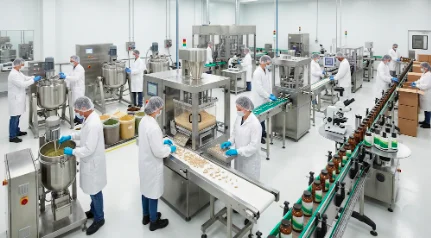
The nutraceutical industry has changed significantly over the last decade. More people than ever are paying attention to the quality of the supplements they consume, the ingredients used, and how those products are manufactured. Whether it's vitamins, herbal supplements, probiotics, protein powders, or functional foods, consumers expect products that are safe, reliable, and made with care.
As demand for health and wellness products continues to rise, manufacturers are under greater pressure to prove that their products meet recognized quality standards. This is where internationally accepted certifications make a real difference. Among them, Kosher certification has become an important way for nutraceutical companies to strengthen customer confidence, improve manufacturing practices, and reach new markets around the world.
Think of a nutraceutical manufacturing facility as a well-organized team. Every ingredient, production step, quality inspection, and employee has a specific role to play. When each part of the process follows clear and consistent requirements, the result is a product that customers can trust.
Why Kosher Certification Is Important
Today's consumers look beyond attractive labels and marketing claims. They want reassurance that the products they purchase are made responsibly, with carefully selected ingredients and controlled manufacturing processes.
This expectation is especially important in the nutraceutical industry because supplements directly support people's health and well-being. Customers want confidence that every capsule, tablet, or powder has been produced under strict quality controls.
Kosher certification provides that additional level of assurance. It verifies that ingredients, production methods, manufacturing equipment, and handling procedures comply with recognized Kosher dietary requirements. While the certification was originally created for people who follow Jewish dietary laws, it is now valued by a much broader audience that appreciates transparency, quality, and consistent manufacturing practices.
Many international retailers and distributors also view Kosher-certified products as an indication that a manufacturer follows disciplined production procedures and maintains high operational standards.
Understanding the Purpose of Kosher Certification
Kosher certification is much more than placing a symbol on product packaging. It involves a detailed review of ingredients, production processes, equipment, cleaning procedures, material segregation, and ongoing compliance with certification requirements.
During the certification process, qualified auditors evaluate whether manufacturing operations consistently meet the applicable Kosher standards. Every stage of production is reviewed to ensure that products remain compliant from raw material sourcing to final packaging.
For nutraceutical manufacturers, this process often leads to stronger supplier management, improved ingredient verification, and more consistent production practices. It also encourages better documentation, making it easier to demonstrate product quality to customers, regulators, and business partners.
The result is a manufacturing system built on consistency, accountability, and trust.
Building Consumer Confidence Through Transparency
Consumer trust isn't earned overnight. It develops through consistent quality, honest communication, and dependable manufacturing practices.
When people purchase dietary supplements, they expect the label to accurately represent what's inside the product. They also expect manufacturers to follow strict quality controls every time a product is made.
Kosher certification helps reinforce that confidence by providing independent verification of manufacturing practices. Instead of relying solely on a company's own claims, customers know that production has been assessed against recognized certification requirements by qualified professionals.
This added transparency helps nutraceutical manufacturers stand out in a competitive marketplace. It demonstrates a genuine commitment to quality while giving consumers another reason to choose their products with confidence.
Improving Ingredient Control
Nutraceutical products are often made using a wide variety of ingredients sourced from different parts of the world. From botanical extracts and vitamins to probiotics, minerals, amino acids, and specialty compounds, every ingredient plays a vital role in the quality of the finished product.
Managing these materials effectively requires more than simply choosing reliable suppliers. Manufacturers need complete visibility over where ingredients come from, how they are handled, and whether they meet established quality requirements before entering production.
Strong ingredient traceability makes this possible. It allows businesses to monitor every material from supplier approval through storage, manufacturing, and final distribution. This level of control not only improves product consistency but also makes it easier to investigate and resolve issues if they arise.
As companies expand into international markets, many choose to obtain a kosher certificate to strengthen ingredient verification, improve manufacturing oversight, and demonstrate compliance with recognized certification requirements. Along with supporting market access, this approach helps reduce operational risks and reinforces customer confidence.
Strengthening Manufacturing Standards
Consistent manufacturing doesn't happen by chance. It is the result of well-planned procedures, trained employees, and careful attention to every stage of production.
Routine equipment cleaning, proper storage conditions, production scheduling, material segregation, sanitation, and documented work instructions all contribute to maintaining high-quality standards. Even small improvements in these areas can have a significant impact on product reliability.
Kosher certification encourages manufacturers to review these activities regularly and maintain clear records that demonstrate compliance. This disciplined approach helps reduce the possibility of contamination, mix-ups, or process variations that could affect product quality.
Just as regular maintenance keeps sophisticated machinery operating efficiently, consistent manufacturing controls help create dependable products while improving overall operational performance.
Supporting Global Export Opportunities
The global nutraceutical market continues to grow as consumers become more interested in health and wellness products. Alongside this growth comes increased competition, making it important for manufacturers to demonstrate their commitment to recognized quality standards.
Many distributors, retailers, and importers prefer products that carry respected certification marks because they provide additional assurance about manufacturing practices and ingredient management.
Although Kosher certification originated as a religious dietary standard, its value now extends well beyond that purpose. Consumers from many different backgrounds associate certified products with better manufacturing discipline, improved quality control, and greater transparency.
For businesses planning to enter new international markets, certification can strengthen credibility, simplify customer evaluations, and create new business opportunities in regions where certified products are in high demand.
Managing Supply Chain Expectations
Today's supply chains rely heavily on transparency and accountability. Customers, distributors, and regulatory authorities increasingly expect manufacturers to provide clear information about raw materials, suppliers, production methods, and quality controls.
Meeting these expectations requires an organized and well-documented supply chain. Every stage—from purchasing raw materials to delivering finished products—should be supported by accurate records and effective communication.
A strong supply chain management system helps manufacturers maintain better relationships with suppliers while ensuring consistent ingredient quality. It also improves traceability, making it easier to respond to customer questions, certification audits, or regulatory inspections without unnecessary delays.
When every part of the supply chain works together, manufacturers can operate more efficiently while building stronger trust with customers and business partners.
Supporting Continuous Improvement
Certification should be viewed as an ongoing commitment rather than a one-time accomplishment. Successful organizations understand that there is always room to improve processes, strengthen quality controls, and enhance operational efficiency.
Regular reviews of manufacturing practices, supplier performance, documentation, and internal procedures help identify opportunities for improvement before small issues become larger problems.
Even modest improvements made consistently over time can lead to meaningful gains in productivity, product quality, and customer satisfaction. Organizations that embrace continual improvement are also better prepared to adapt to changing regulations, evolving consumer expectations, and increased global competition.
By making continuous improvement part of everyday operations, nutraceutical manufacturers build stronger businesses that are capable of delivering reliable products year after year.