Sign up with Google
 Sign in with Zoho
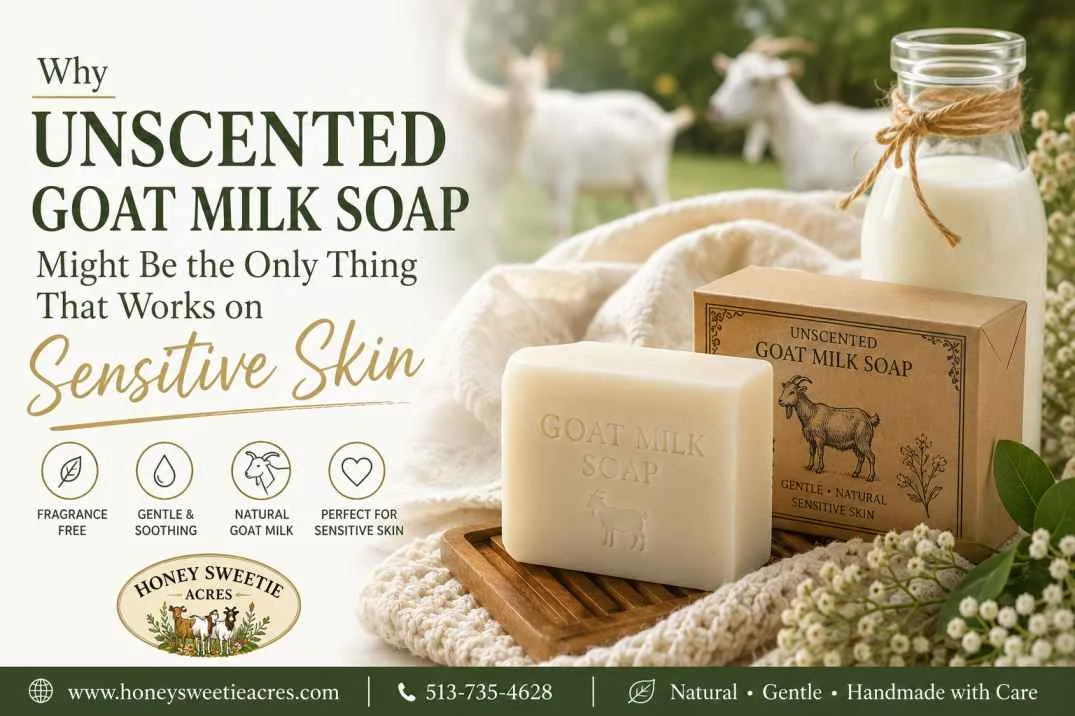
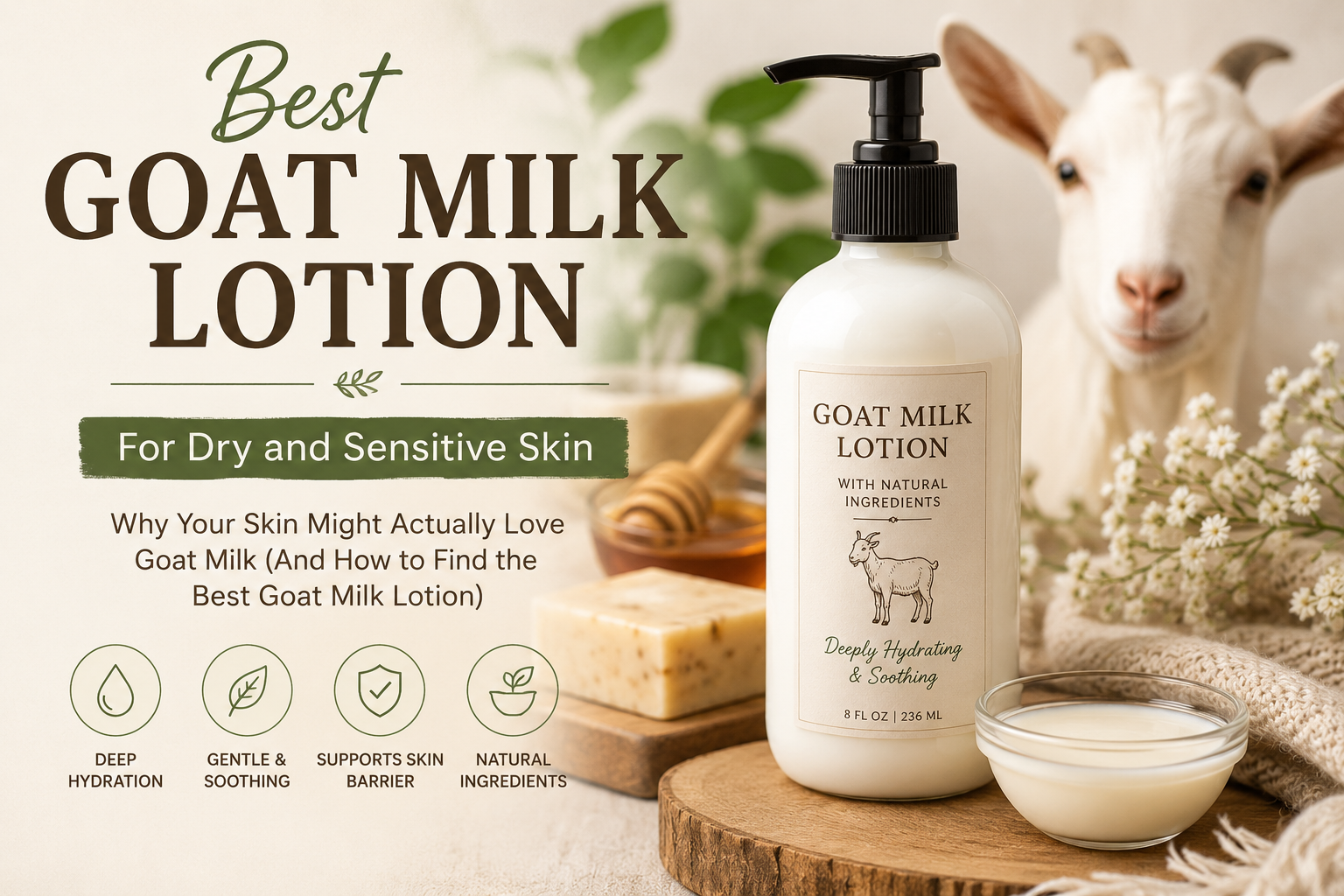
Why Unscented Goat Milk Soap Might Be the Only Thing That Works on Sensitive Skin
You know that feeling when your skin gets tight and itchy right after a shower, even though you just washed it? That's usually your soap talking. Most bar soaps and body washes are loaded with fragrance, dyes, and harsh cleansing agents that strip away natural oils. For people with sensitive or reactive skin, that's a real problem — and it's exactly why unscented goat milk soap has become such a go-to option lately.
Here's the thing about regular soap: it's built to clean fast and smell nice on a shelf. That combo doesn't always play well with skin that's already dealing with eczema, dryness, or just general irritation. Fragrance is one of the top triggers for skin reactions, full stop. So when you take scent out of the equation and swap in something like goat milk, which is naturally soothing, you get a completely different experience.
Goat milk soap isn't some new trend, either. People have used it for generations because it's rich in fatty acids and vitamins that help skin hold onto moisture. Add in the fact that it's unscented, and you've got a bar that's about as gentle as store-bought soap gets.
What Makes Goat Milk Soap Different
Most people don't realize goat milk soap works so well because of its natural composition, not because of some fancy ingredient list. Goat milk contains lactic acid, which gently helps remove dead skin cells without being abrasive. It also has a fat content that's similar to human skin oils, so it doesn't leave that stripped, squeaky-clean feeling that a lot of soaps do.
You've probably noticed that after using a harsh soap, your skin feels dry within an hour or two. That's a sign it disrupted your skin barrier. Natural goat milk soap tends to avoid that because it's formulated to cleanse without going overboard.
A few things unscented, handcrafted goat milk soap tends to do well:
- Cleans without leaving skin feeling tight or dry
- Works for sensitive skin, babies, and people with skin conditions
- Skips synthetic fragrance, which is one of the most common irritants
- Often includes simple, recognizable ingredients instead of a long chemical list
Why "Unscented" Actually Matters
A lot of people assume unscented just means "boring" or "less effective," but that's not really true. Unscented soap usually means no added fragrance oils were mixed in — not that harsh chemicals were used to mask a smell. For someone dealing with rosacea, eczema, or just skin that reacts to everything, that distinction is huge.
I've seen people try soap after soap, convinced their skin is just "difficult," when really the problem was fragrance the whole time. Once they switch to something plain and simple, the irritation calms down within a week or two. It's not magic — it's just less stuff on their skin to react to.
Finding the Best Goat Milk Soap for You
Not all goat milk soap is created equal, though. Some brands add fillers or use goat milk in such small amounts it barely counts. If you're looking for the best goat milk soap, check that goat milk is listed near the top of the ingredients, not buried at the bottom behind a dozen other things.
That's one reason some people switch to small-batch options like Honey Sweetie Acres — smaller producers tend to use higher milk content and skip unnecessary additives, since they're not trying to mass-produce a shelf-friendly product.
Winter especially seems to be when people notice the difference most. Heaters dry out the air, skin gets flaky, and regular soap makes it worse. Switching to something gentler during those months tends to make a noticeable difference pretty quickly.
At the end of the day, skin doesn't need much. It needs to be cleaned without being punished. Sometimes the simplest bar in your shower ends up doing more for your skin than anything with a long ingredient list and a nice smell.