Sign up with Google
 Sign in with Zoho

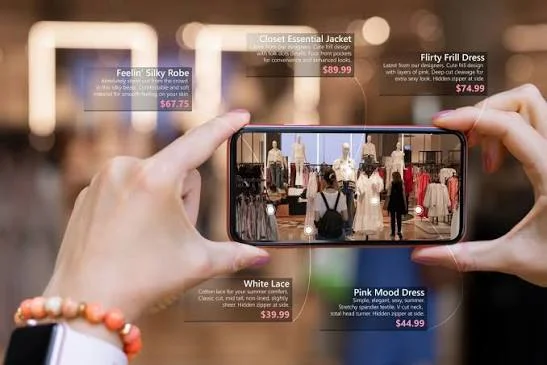
The fashion industry is changing quickly as customers keep moving toward shopping and online product discovery. Today shoppers want more than a product picture and a short description. They want to see how an outfit moves how it fits how it can be. Whether it matches their personal taste before they decide to buy.
This change has made visual content and interactive shopping experiences essential for today’s fashion brands. High quality product pictures, virtual try‑on tools, ways to show products and interesting video clips are no longer just optional extras. They are tools that help brands get noticed, build trust and guide customers to feel sure about buying.
Fashion is a visual industry. Customers cannot touch fabric feel texture or try on clothes when they shop online. Thus brands must recreate parts of the store experience with digital content. When customers can look at products visually and interactively they are more likely to understand the item picture themselves wearing it and finish a purchase.
This article shows how fashion brands can create visual content improve product presentation and build interactive shopping experiences that help grow customer engagement and digital growth.
1. Create Professional Product Photography
Professional product photography is one of the important foundations for a strong online fashion presence. Customers often form their impression of a product by looking at its visual presentation. Before reading descriptions or checking reviews they notice the picture quality, styling, lighting, colors and overall look.
Fashion brands should invest in high resolution pictures, proper lighting, clean backgrounds and detailed views of the product. A single front‑facing picture is no longer enough. Customers want to see products from angles, such as front, back, side, close‑up and detail shots.
For clothing it is important to show fabric texture, stitching, buttons, zippers, neckline, sleeves, pockets and hem details. For shoes brands should display the side, back, sole and material finish. For accessories like bags, belts and jewelry close‑up pictures help customers see craftsmanship, hardware, color and size.
Professional photography also helps keep brand consistency. Whether a customer visits an e‑commerce site, a media page, an online marketplace or a digital ad the product should look recognizable and premium on every channel. Consistent lighting, background colors, model presentation and editing style create a trustworthy and polished brand identity.
In addition to studio photography lifestyle pictures are valuable because they show products in life. A dress taken in a studio may highlight its shape and fabric while a lifestyle picture may show how it can be styled for a brunch, office setting, vacation or evening event. Together these visuals help customers understand both the product and the lifestyle it represents.
2. Introduce Virtual Try-On Experiences
One of the challenges in online fashion shopping is that customers cannot physically try products before they buy them. This uncertainty can lead to hesitation abandoned carts and product returns. Virtual try‑on technology helps solve this challenge by giving customers an interactive way to explore fashion products.
Virtual try‑on lets shoppers preview how chosen outfits, accessories or products may look on them through visualization. Of relying only on a model picture customers can see a more personalized representation of the product. This makes the shopping journey more engaging. Helps shoppers feel more confident before buying.
For fashion brands virtual try‑on can make shopping platforms more customer‑friendly and interactive. It turns a product page into an experience where shoppers can explore, visualize and engage with products. Than simply looking at an item customers can imagine how it may fit into their personal style.
Virtual try‑on is especially useful for products where appearance and fit matter a lot. This includes eyewear, jewelry, shoes, bags, hats and selected apparel categories. As digital visualization technology keeps improving fashion brands can use these experiences to reduce uncertainty and create a modern shopping journey.
The goal of try‑on is not only to entertain customers. It is to help them make better‑informed decisions. When shoppers can explore a product in a personalized way they may feel more confident about their choice and more connected to the brand.
3. Make Product Presentation More Interactive, with Product Try-On
Product presentation should not be limited to showing one product image on a plain background. Modern customers want to explore looks understand styling possibilities and see how product appears in different visual settings.
Product Try‑On helps fashion brands product through model‑based visuals and creative presentations. Of showing only a flat product image fashion brands can display garment on different models in different poses and in various styling combinations. This approach helps customers understand how product may look when worn and styled.
For example a single blouse can be presented with jeans for a look tailored trousers for an office look or a skirt for an evening look. A jacket can be shown open, closed, layered or styled with accessories. These variations help customers see the versatility of product and encourage them to explore items from the collection.
Product Try‑On can also support the creation of digital catalogues. Of presenting product in a repetitive format fashion brands can create visually rich collections that feel more like a fashion editorial or digital lookbook. This makes product discovery more interesting. Encourages customers to spend more time exploring the brand’s offerings.
A richer visual shopping experience can benefit both customers and fashion brands. Customers receive inspiration and clarity while fashion brands can showcase product in a more compelling and creative way. This approach can help fashion businesses stand out in an online marketplace.
4. Create Premium Fashion Visuals with Professional Styling
Consistent and attractive visuals help fashion brands establish an identity. However producing fashion photography for every product, collection and campaign can require significant time, planning and resources. Traditional photoshoots often involve models, photographers, studios, stylists, locations, editing and post‑production.
Digital visual creation solutions such as TryVerse Prime Shoot help fashion brands explore photography styles and create professional‑looking fashion visuals. These solutions can support fashion brands in developing studio‑style, lifestyle and creative campaign presentations that suit their marketing needs.
With styling and digital visual creation fashion brands can experiment with different visual directions. For example fashion brand may create minimal product images for its e‑commerce catalogue bold editorial visuals for a seasonal campaign and lifestyle visuals for social media promotion.
Premium fashion visuals should reflect the personality of the brand. A luxury fashion label may prefer lighting, refined backgrounds and sophisticated model styling. A casual or streetwear fashion brand may choose compositions, urban locations and bold colors. A sustainable fashion brand may emphasize materials, earthy tones and authentic storytelling.
These visuals can be used across websites, online stores, social media platforms, advertising campaigns, email marketing and digital catalogues. When fashion brands maintain a visual language customers begin to recognize the brand more easily and develop a stronger connection with its identity.
5. Use Video Content to Improve Customer Engagement
Video content has become one of the important elements of digital fashion marketing. Compared with images video content offers more opportunities to present product through movement, creative transitions, styling demonstrations and engaging visual storytelling.
Fashion is about movement, texture, fit and expression. Video can show how dress flows while walking, how jacket fits across the shoulders how accessories catch the light or how outfit changes with styling choices. These details are difficult to communicate through images
Fashion brands can use video generation to transform product visuals into content for social media, promotional campaigns and digital advertisements. Short‑form videos and product‑focused clips can help fashion brands showcase collections creatively. Capture audience attention across digital platforms.
Effective fashion video content may include:
- Product close‑ups highlighting fabric and craftsmanship
- Model walks that show movement and fit
- Styling transitions that demonstrate outfit options
- Behind‑the‑scenes footage from design or production
- Seasonal collection launches
- Customer styling inspiration
- Creative campaign visuals
- Short promotional clips for social media and advertisements
Short‑form video is particularly valuable because it matches the way many customers discover fashion today. Platforms such, as Instagram Reels, TikTok, YouTube Shorts and Pinterest video formats allow fashion brands to reach audiences quickly and visually. A well‑created video can communicate product’s personality in a few seconds.
Video content gives brands chances to tell a story. Of only showing a garment a brand can share its inspiration, craftsmanship, seasonal theme or lifestyle appeal. This emotional connection can make customers more interested in the product and more likely to remember the brand.
6. Build an Interactive Online Shopping Experience
customers expect online shopping to be convenient, engaging and informative. They want to explore products understand product details and feel confident about their choices. Fashion brands can improve the shopping journey by combining visuals with interactive product exploration.
● Providing clear and detailed product images
● Offering virtual product previews
● Presenting products through different model visuals
● Creating product videos
● Maintaining consistent product information and visual presentation
● Making product exploration simple and user‑friendly
● Showing products in different styling combinations
● Using interactive catalogues and visual collections
● Providing clear sizing, fabric and care information
A strong online shopping experience should make it easy for customers to move from inspiration to purchase. For example a customer may discover a product through a media video visit the product page explore additional images view a virtual try‑on preview see styling recommendations and then make a purchase.
Every step should feel smooth and visually consistent. If the social media content looks premium but the product page feels basic or unclear customers may lose interest. Brands should ensure that their website, product pages, catalogues and marketing content all reflect the quality and identity.
Interactive shopping experiences are not about advanced technology. They are also about design. Clear navigation, fast‑loading pages, layouts, detailed product information and easy‑to‑understand visuals all contribute to a better customer experience.
7. Benefits of Professional Visual Content for Fashion Brands
Investing in visual content and interactive shopping experiences can provide several important benefits for fashion businesses.
● Better Brand Presentation
● Improved Customer Engagement
● Greater Shopping Confidence
● Consistent Marketing Content
● More Creative Opportunities
● Customer Connections
When customers feel that a brand understands their style and preferences they are more likely to return. Visual content that inspires, educates and personalises the shopping journey can help build long‑term customer relationships.
8. How TryVerse Supports Modern Fashion Brands
TryVerse is a visual commerce platform designed to help fashion brands create visual content and deliver more engaging shopping experiences. It brings together visual content solutions to support the changing needs of fashion businesses.
● Virtual Try‑On
● Product Try‑On
● Prime Shoot
● Video Generation
By bringing these capabilities TryVerse helps fashion brands explore new ways to present products create marketing content and engage online shoppers.
For a fashion brand this means having access to tools that support stages of the visual content journey. A brand can create premium product visuals, present products, through model‑based try‑on experiences develop shopping content and generate video assets for marketing campaigns.
TryVerse can be especially useful for brands that want to improve their presence without needing to do traditional photoshoots for every product or campaign. By using visual tools fashion businesses can try new ways to show products keep a consistent look and change their content for different platforms.
Creating visual content and interactive shopping experiences is becoming more important for fashion brands. High quality product photography, Virtual Try-On Product Try-On, professional styling and video content can help businesses improve how they show products and make online shopping more engaging.
Customers no longer want to look at products online. They want to explore them see them in their mind understand them and imagine how they fit into their style. Fashion brands that invest in visuals and interactive experiences can create a more memorable shopping journey build greater customer confidence and strengthen their digital presence.
As digital fashion commerce continues to evolve brands that focus on visual experiences and customer interaction can build stronger connections with their audiences. Platforms, like TryVerse give fashion businesses many visual content solutions to support their growth a