Sign up with Google
 Sign in with Zoho
Fatigue is common after a busy day, poor sleep, stress, or physical activity. However, persistent or unexplained fatigue may sometimes indicate an underlying health condition. If tiredness continues despite adequate rest, it may be worth discussing with a healthcare professional.
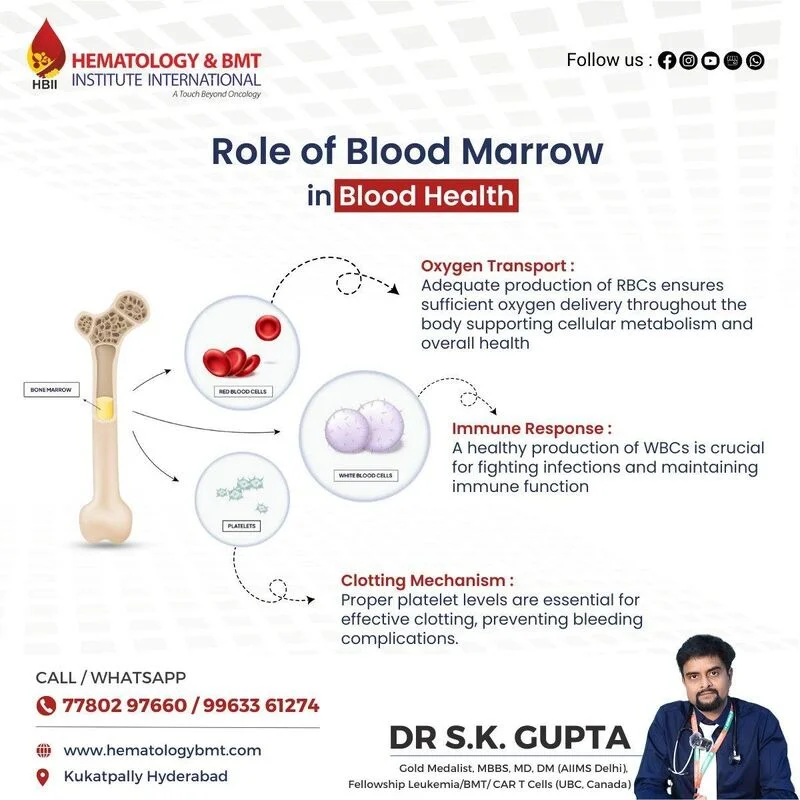
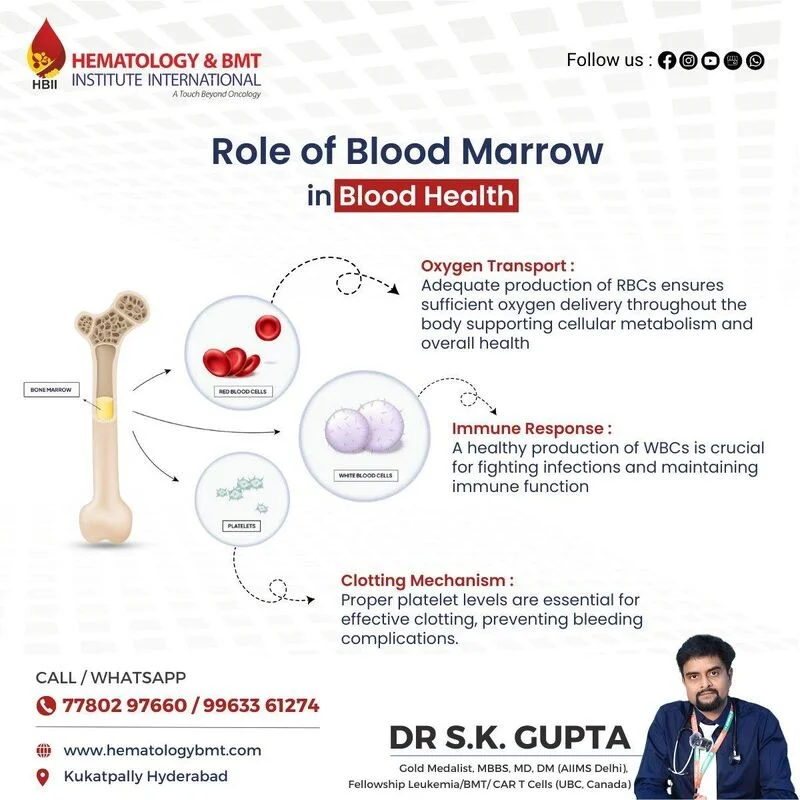
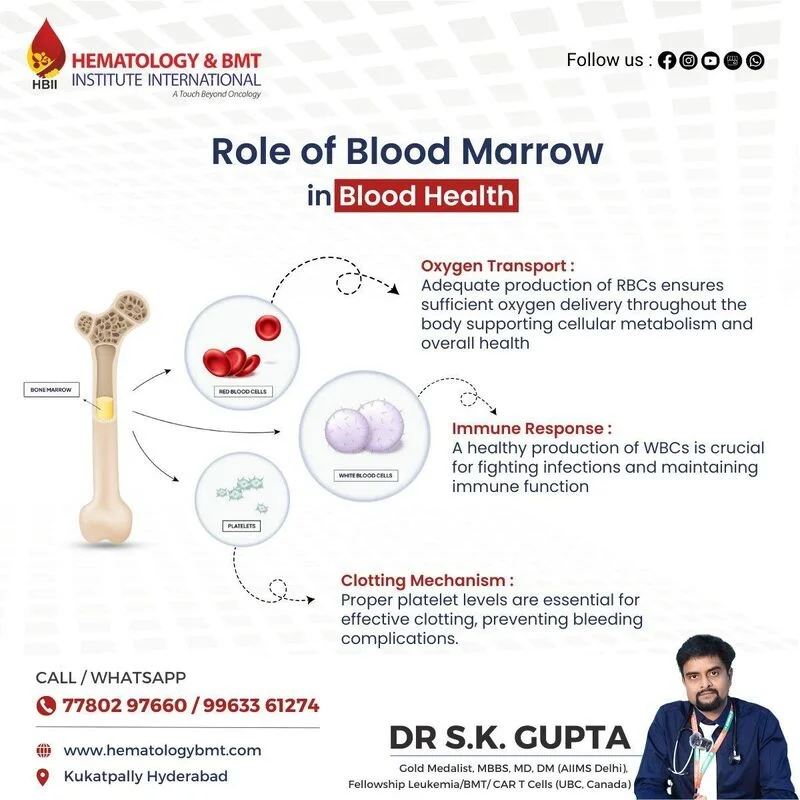
In some cases, fatigue can be associated with blood-related conditions such as anemia, iron deficiency, vitamin deficiencies, blood disorders, or certain hematological conditions. Other symptoms, including weakness, dizziness, shortness of breath, pale skin, frequent infections, unexplained weight changes, or unusual bleeding, may provide additional clues.
A hematologist can evaluate persistent fatigue by reviewing your medical history and recommending appropriate blood tests when necessary. These may help identify changes in hemoglobin, red blood cells, white blood cells, platelets, or other blood parameters.
Fatigue does not always mean that a serious condition is present, but persistent symptoms should not be ignored. If you have ongoing tiredness without an obvious explanation, consider speaking with a qualified healthcare professional for proper evaluation and guidance.
A blood test can help healthcare professionals assess hemoglobin and other blood parameters and determine whether further evaluation is needed. Depending on the findings, a hematologist may investigate possible causes and recommend appropriate management.
If your tiredness continues even after sufficient sleep and rest, consider getting it evaluated rather than assuming it is simply due to a busy routine. Early assessment can help identify whether an underlying blood-related issue or another health condition may be contributing to persistent fatigue. Feeling tired occasionally is normal, but constant or unexplained tiredness may deserve further attention. Anemia and certain blood disorders can affect the body's ability to deliver oxygen efficiently, which may contribute to fatigue and weakness.
People experiencing persistent fatigue may also notice symptoms such as dizziness, headaches, pale skin, shortness of breath during activity, rapid heartbeat, or reduced concentration. These symptoms can have many possible causes, so fatigue alone cannot confirm anemia or another blood condition.
Everyone experiences tiredness from time to time, but persistent fatigue without an obvious cause can sometimes require medical evaluation. If you continue feeling exhausted despite adequate sleep, nutrition, and rest, it may be useful to discuss the symptoms with a healthcare professional.
Fatigue can occur for many reasons, including lifestyle factors, infections, nutritional deficiencies, anemia, and certain blood disorders. A hematologist specializes in conditions affecting the blood, bone marrow, and related systems and can help determine whether a blood-related problem may be contributing to ongoing tiredness.
Depending on your symptoms and medical history, evaluation may include a complete blood count or other laboratory investigations. These tests can provide information about red blood cells, white blood cells, platelets, and hemoglobin levels.
Persistent fatigue should not automatically be linked to a serious illness. However, when tiredness is unexplained, prolonged, or accompanied by symptoms such as frequent infections, unusual bruising or bleeding, dizziness, or unexplained weight loss, seeking professional medical advice is appropriate.