Sign up with Google
 Sign in with Zoho

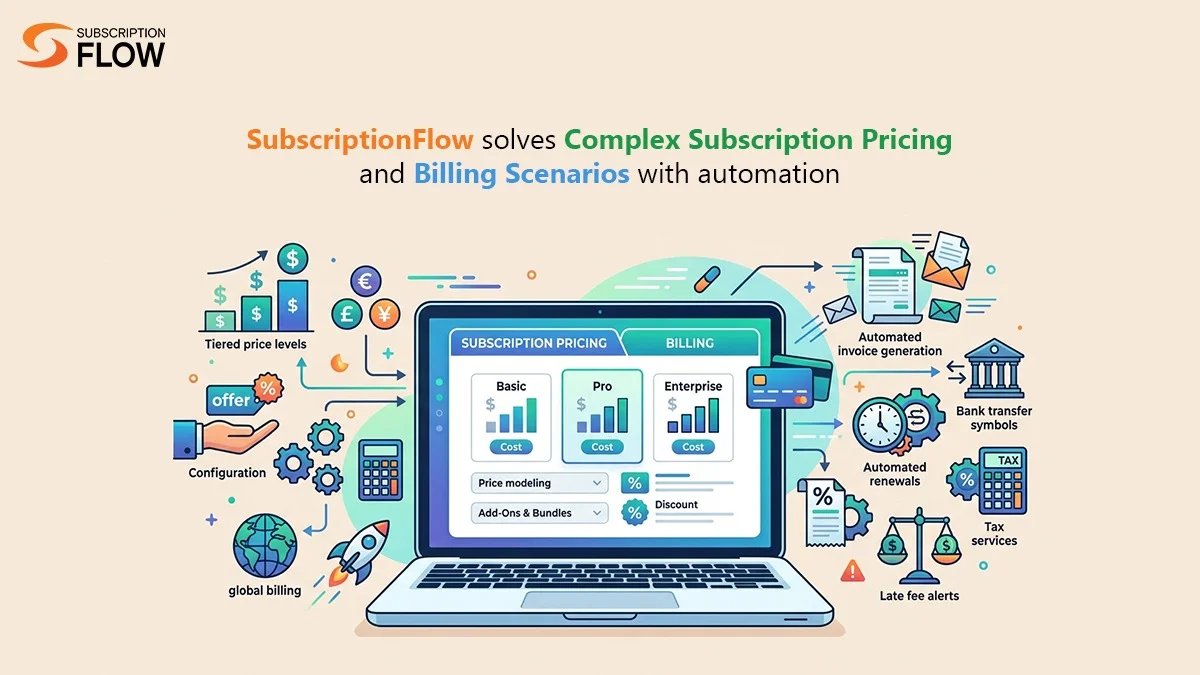
As a subscription business grows, billing usually becomes more difficult. A company might begin with one simple monthly or yearly plan. Later, it may add different plans, extra services, usage charges, discounts, promotions, and custom pricing. Managing all of these options manually can take a lot of time and can also lead to billing mistakes.
The problem becomes bigger when different pricing rules apply to the same customer. For example, a customer may have an annual plan with a discount, add extra seats in the middle of the month, use a feature that has a usage charge, and then upgrade their plan. All of these changes need to be calculated correctly on the customer's invoice. If they are not, the business may lose money or have to deal with customer complaints.
Managing Usage-Based and Hybrid Pricing
Usage-based pricing is becoming common among SaaS businesses. Instead of charging only a fixed monthly fee, companies can charge customers for API calls, storage, transactions, active users, or other types of usage.
The main challenge is keeping track of that usage correctly. The billing system needs to know which customer used the service, how much they used, and which billing period the usage belongs to.
Some businesses use hybrid pricing, where customers pay a regular subscription fee along with usage or additional service charges. This means one invoice can contain several different charges. Using automated billing can make these calculations easier and reduce manual mistakes.
Discounts and Promotions
Discounts are useful for attracting customers and encouraging upgrades. Businesses may offer introductory prices, percentage discounts, referral offers, or fixed-value discounts.
These offers need clear rules. For example, if a customer qualifies for two discounts, the business needs to decide whether both can be used together. The system should also remove temporary discounts when the promotion ends.
Keeping these rules in one billing system makes them easier to manage.
Upgrades, Downgrades, and Proration
Customers do not always wait until renewal to change their plans. They may upgrade, downgrade, add seats, or remove a service during the billing cycle.
This is where proration becomes important. The system calculates what the customer has already paid and adjusts the amount based on the plan change.
Having clear proration rules helps avoid confusion and ensures customers are charged correctly.
International Billing and Failed Payments
Businesses selling internationally also need to deal with different currencies, VAT, GST, and other taxes. Automating these calculations can make international billing easier to manage.
Failed payments are another common issue. Cards expire, payments get declined, or customers forget to update their payment information. Automatic retries, reminders, and payment recovery emails can help businesses recover these payments instead of immediately losing the customer.
Managing Complex Billing
As pricing becomes more complicated, businesses need a billing system that can handle these changes without creating extra manual work. Pricing rules, discounts, usage charges, refunds, and payment recovery should be managed in one place where possible.
SubscriptionFlow helps businesses manage subscriptions, billing, invoices, payment recovery, and related processes from one platform. This can reduce manual billing work and make it easier for businesses to manage different pricing models as they grow.