Sign up with Google
 Sign in with Zoho

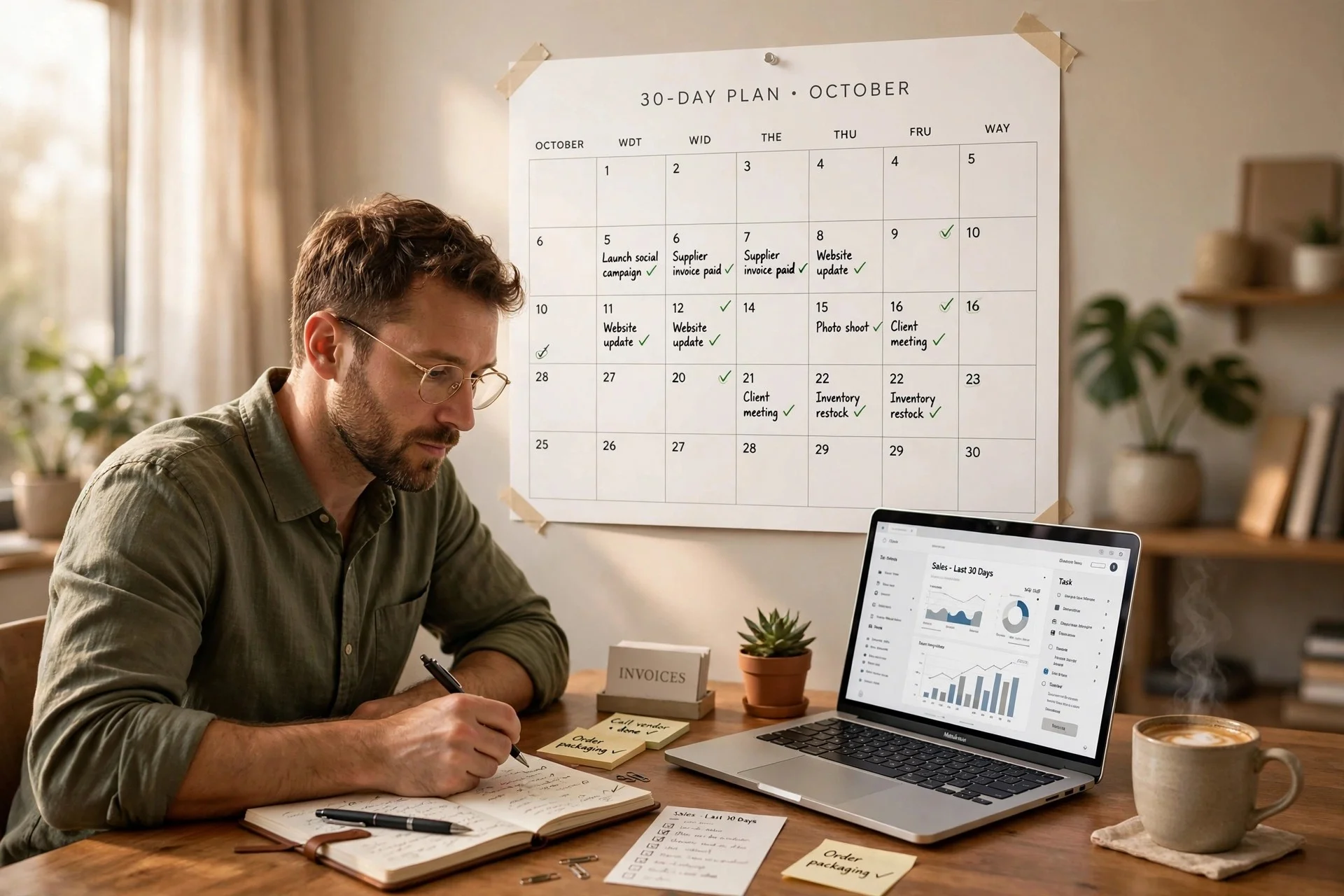
Most reputation advice fails for one reason: it's a list, not a plan. "Respond to reviews, ask for reviews, monitor everything" — great, but when? In what order? For a busy owner, vague advice becomes no action. So here's the opposite: a concrete 30-day plan, week by week, about 30 minutes a day. Follow it in order. Don't skip ahead.
Week 1: Foundation (Days 1–7)
You can't manage what you can't see. This week is purely setup:
- Day 1–2: Claim your Google Business Profile, Yelp, and Facebook pages. If they're already claimed, audit them: correct hours, current phone number, 15+ real photos, services listed.
- Day 3: Google your business name plus "reviews." Note every site where you appear — those are the ones customers see.
- Day 4: Turn on instant review alerts. This is the single highest-leverage move: use reputation management software for local businesses like Vercepta — the Starter plan is $0/month with no credit card required, and it pings you the moment a new review lands. From today, no review goes unseen.
- Day 5–7: Read every review you've ever received. Don't respond yet — just read, and note the repeating themes. What do happy customers praise? What do unhappy ones complain about? Write both lists down.
Week 2: Respond (Days 8–14)
Now clear the backlog. Reply to every unanswered review, oldest first:
- For 4–5 stars: thank them by name, mention something specific from their review. Two sentences is plenty.
- For 1–3 stars: acknowledge, apologize briefly, move it offline. "We're sorry about [issue] — please call us at [number] so we can make this right." Never argue, never grovel.
- For suspicious ones: fake or competitor reviews get flagged through the platform's reporting flow — one click, then move on.
Budget 20–30 minutes a day; most backlogs clear within the week. AI-assisted reply drafts (built into tools like Vercepta) cut this time in half — you approve the tone instead of composing from scratch.
Week 3: Generate (Days 15–21)
Responding fixes the past; generating fixes the future. Build your ask system this week:
- Day 15: Create your direct Google review link (from your Business Profile) and turn it into a QR code. Print five copies.
- Day 16: Place them at checkout, on invoices, and in your email signature.
- Day 17: Train your team on the one-line ask: "Everything good today? A quick Google review would mean a lot to us."
- Day 18–21: Send a next-day text to every customer with the review link. Ask everyone equally — never filter for only happy customers (that's review gating, and platforms penalize it).
Week 4: Measure and Fix (Days 22–30)
Now act like a manager, not a firefighter:
- Day 22: Run Vercepta's free Business Reputation Comparison Tool (no credit card) to benchmark your rating, review volume, and sentiment against nearby competitors. Save the report — this is your baseline.
- Day 23–25: Look at your Week 1 notes. What's the #1 repeat complaint? Fix the operation behind it, then say so publicly in your replies.
- Day 26–28: Check your numbers: new reviews this month vs. last, average rating trend, response rate. All moving the right way?
- Day 29–30: Lock in the ongoing routine: 5 minutes daily (check alerts, respond), 30 minutes weekly (trend check), monthly comparison run.
What Day 30 Looks Like
Realistic expectations: your rating won't jump a full star in 30 days — but it will be moving. You'll have zero unanswered reviews, a working ask system producing steady new ones, instant alerts so nothing slips, and a baseline measurement against competitors. That's more reputation infrastructure than 90% of local businesses have. Month two is where compounding kicks in.
The Only Rule
Don't do Week 3 before Week 1. Generating reviews on top of broken profiles and unanswered complaints is pouring water into a leaky bucket. Foundation, then responses, then generation, then measurement — in that order, for 30 days. The businesses with great reputations aren't doing anything magical. They're just doing the basics, in sequence, without stopping.