Sign up with Google
 Sign in with Zoho

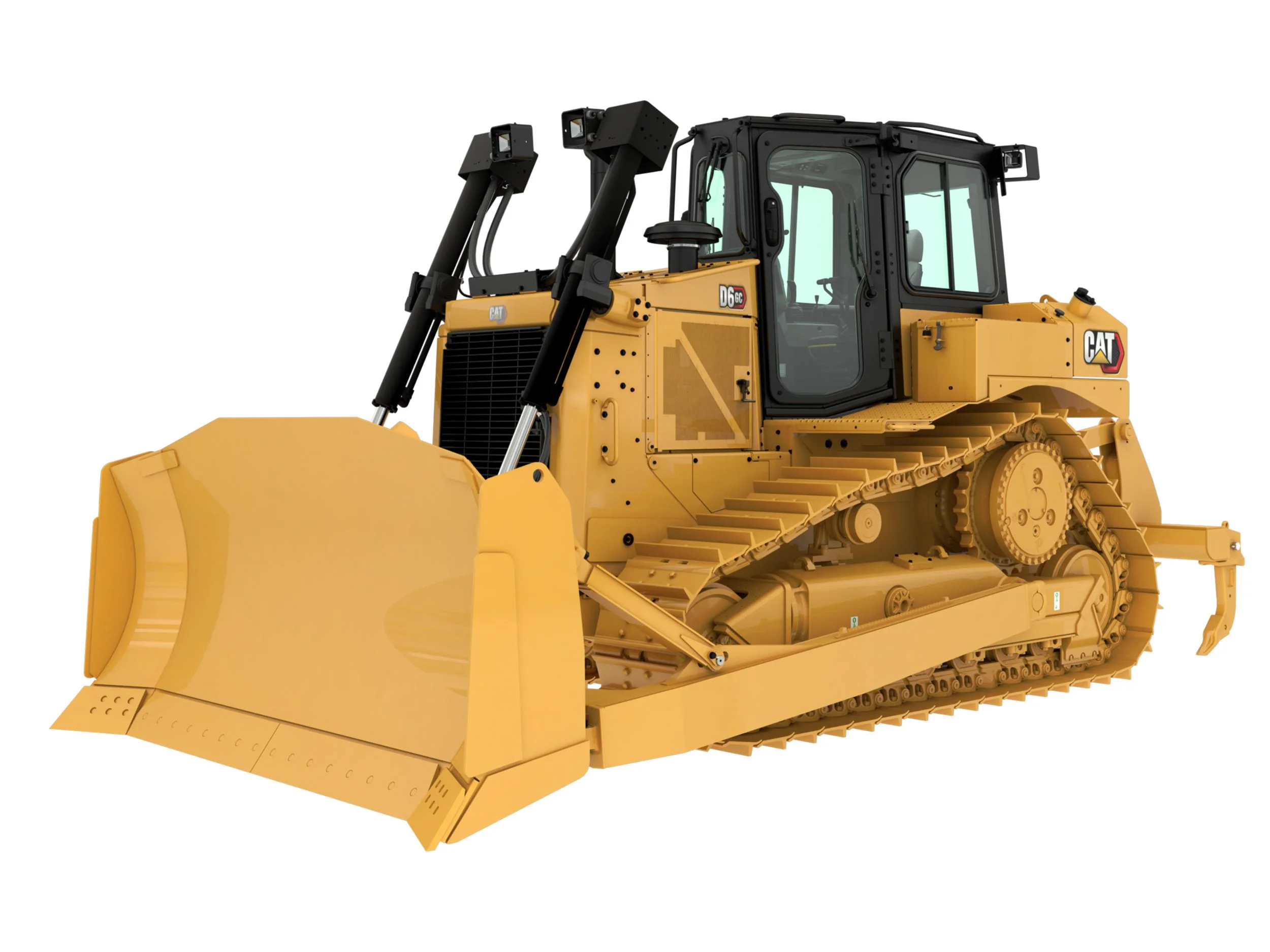
In the UAE’s demanding environments—from the scorching desert sands of Abu Dhabi to high-density infrastructure sites in Dubai—equipment failure is not just an inconvenience. It is an expensive delay that threatens project timelines and squeezes profit margins. When you invest in a used bulldozer, you need absolute confidence that the machine will perform under extreme heat, heavy loads, and relentless daily wear.
Buying pre-owned heavy equipment offers massive cost benefits, but only if you inspect the right components before committing. Missing a hidden defect in the engine or undercarriage can lead to catastrophic repair bills down the line. Whether you manage a fleet for civil construction, oil and gas, or mining, knowing what to check guarantees you get maximum value for your capital.
Here is a practical, site-tested inspection guide to help you evaluate engine health and undercarriage integrity before buying a pre-owned dozer in the UAE market.
Why the Undercarriage and Engine Demand Your Focus
The undercarriage accounts for up to 50% of a crawler dozer's lifetime repair costs. Meanwhile, the engine serves as the heart of your operation, powering heavy pushing, land clearing, and ripping tasks. In the Middle East's harsh climate, heat and abrasive sand accelerate wear on these critical systems faster than anywhere else in the world.
Checking these areas thoroughly prevents you from taking on someone else's neglected problem.
1. Engine Inspection Checklist: Spotting Hidden Damage
A running engine should deliver smooth power, clean exhaust, and stable operating temperatures. When inspecting a used bulldozer, systematically check these crucial areas:
- Cold Start Performance: Always start the engine cold. Check how quickly it turns over and listen for unusual knocking, rattling, or uneven idling. Excessive cranking often indicates fuel delivery problems or poor cylinder compression.
- Exhaust Smoke Colour Analysis: Pay attention to what comes out of the exhaust stack upon startup and under load:
- Black Smoke: Indicates incomplete combustion, often caused by clogged air filters or faulty injectors.
- Blue Smoke: Points to burning oil, signalling worn piston rings or valve guides.
- White Smoke: Hints at coolant leakage into the combustion chamber or severe fuel timing issues.
- Blow-by and Oil Condition: Pull the oil dipstick and remove the oil filler cap while the engine runs. Excessive vapour or pressure escaping from the breather tube (blow-by) indicates worn cylinders or rings. Inspect the oil condition; milky oil indicates coolant contamination, while gritty oil signals heavy wear.
- Cooling System Health: Desert heat demands a flawless cooling package. Inspect radiator fins for sand pack-up, damage, or corrosion. Check for coolant leaks around hose connections and inspect the water pump.
- Turbocharger and Air Filtration: Look for oil residue near the turbocharger housing. Ensure the air filtration system is intact, as fine UAE sand inside the intake manifold rapidly destroys engine interiors.
2. Undercarriage Inspection Checklist: Measuring Wear Life
Replacing an entire undercarriage is one of the single largest investments you can make on heavy machinery. Inspect every wear point carefully to estimate remaining service life.
- Sprockets and Segment Groups: Look closely at the sprocket teeth. Sharpened, cupped, or hooked teeth indicate severe wear. Healthy teeth have rounded tops and thick sides.
- Track Links, Pins, and Bushings: Inspect the height of the track links. Reduced link height means the rollers are riding close to the link hubs. Turn the bushings or inspect them for flat spots; worn pins and internal bushings cause track stretching and pitch elongation.
- Rollers and Idlers: Check bottom track rollers and top carrier rollers for oil leaks around the seals. Worn rollers develop deep grooves or uneven wear patterns. Inspect the front idlers for centre flange wear and proper alignment.
- Track Shoes and Grousers: Measure grouser bar height. Worn grousers reduce traction, forcing the machine to slip and waste fuel in loose sand. Check for cracked shoes or loose track bolts.
- Track Tension: Measure track sag according to manufacturer specifications. Tracks set too tight cause accelerated wear on pins and bushings, while loose tracks can derail during turning manoeuvres.
Partnering with Al-Bahar: Safe Investments in Pre-Owned Machinery
Evaluating used machinery requires expertise, time, and technical precision. Buying from trusted sources eliminates guesswork and reduces operational risk.
As the exclusive Caterpillar dealer in the UAE, Kuwait, Bahrain, and Qatar, Al-Bahar provides access to high-grade, thoroughly inspected equipment. Every certified pre-owned unit undergoes rigorous multi-point technical inspections conducted by factory-trained technicians. When you purchase through Al-Bahar, you receive detailed oil analysis reports, verified service histories, and ongoing support from the region's largest parts and service network.
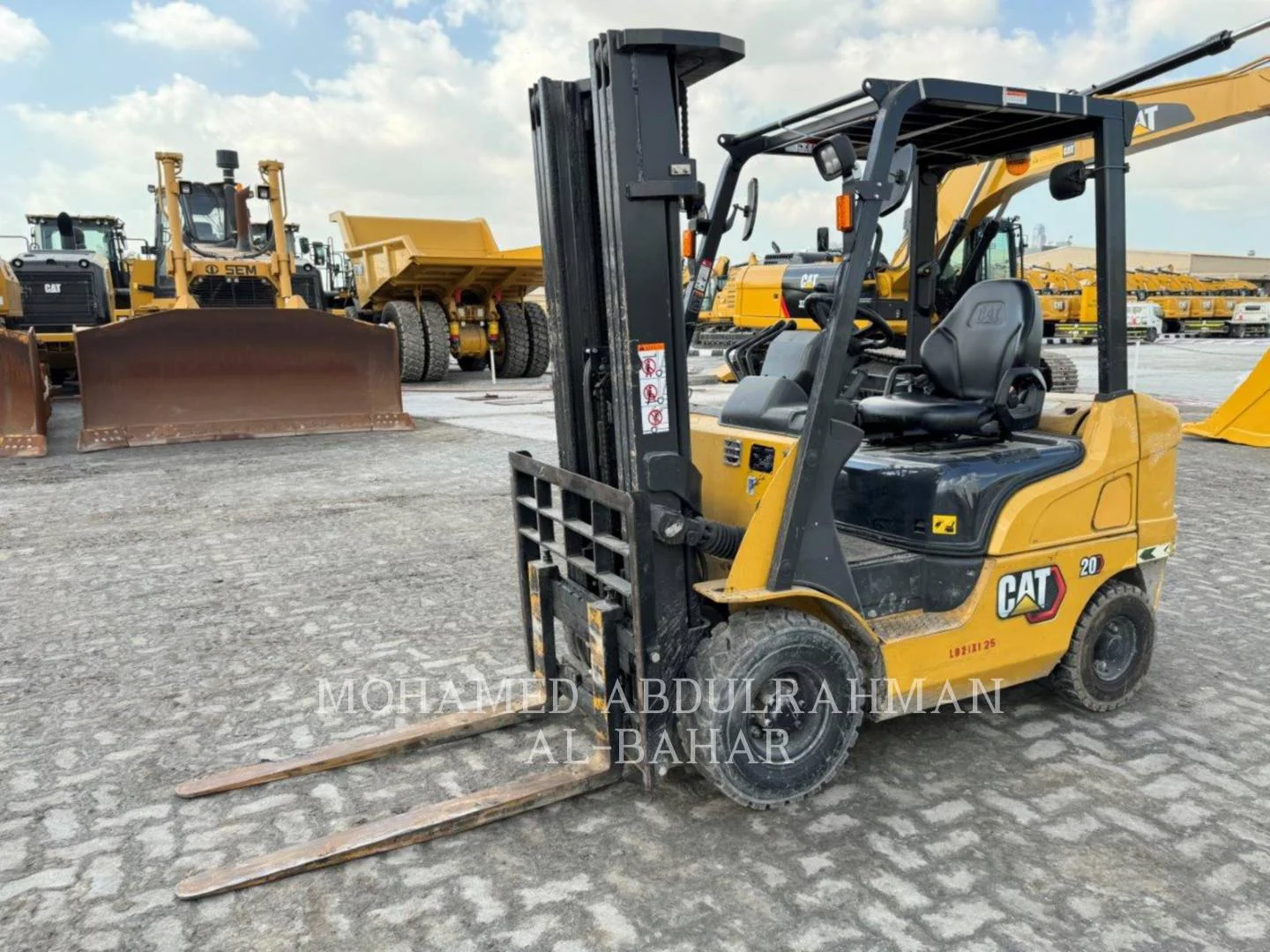
Whether your site demands a robust crawler dozer, a used excavator in UAE projects, or a reliable used forklift for sale to handle logistics, choosing equipment backed by clear inspection standards protects your bottom line.
Upgrade Your Fleet with Confidence Today
Buying pre-owned equipment should build your business, not bring unexpected downtime. By prioritising thorough checks on the engine and undercarriage, you secure reliable machines that handle demanding workloads with ease.
Explore our verified inventory of used dozers and dependable used machinery tailored for Middle Eastern jobsites. Contact the expert team at Al-Bahar today to schedule a machine inspection or request a detailed quote for your next project.
Frequently Asked Questions
What is the average lifespan of a bulldozer undercarriage in the UAE? Depending on soil abrasiveness and maintenance, a dozer undercarriage typically lasts between 2,000 and 4,500 operating hours in desert conditions.
How do I check if a used dozer engine has severe internal wear? Check for excessive blow-by at the oil filler cap, monitor exhaust smoke under load, and review fluid analysis reports for metal shavings.
Why is cold starting critical during a used equipment inspection? Starting an engine cold reveals underlying compression issues, glow plug failures, or fuel system leaks that warm engines easily hide.
Can worn track bushings on a bulldozer be repaired without full replacement? Yes, pins and bushings can often be rotated or turned 180 degrees to expose unused wear surfaces and extend track life.
How often should fluid samples be analysed on pre-owned heavy equipment? Scheduled Oil Sampling (SOS) should be conducted every 250 to 500 operating hours to catch wear particles before major component failure occurs.