Sign up with Google
 Sign in with Zoho

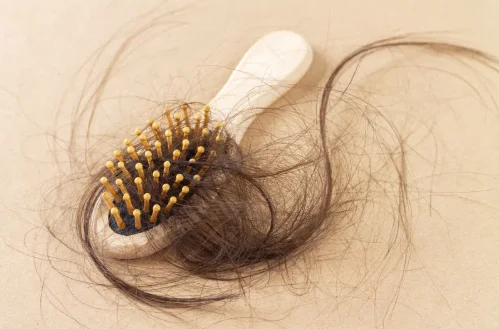
Finding more hair than usual on your hairbrush or bathroom floor can be worrying. You might notice that your ponytail feels thinner, your parting looks wider, or your hair does not have the same volume it once did. These changes do not happen for the same reason in everyone. Sometimes they are linked to family history, while other times they follow illness, stress, changes in diet, or hormonal shifts. Knowing what has changed is a better starting point than buying the first product you see advertised.
People looking for a hair treatment for hair loss often come across dozens of products and different opinions. One person may recommend a shampoo, another may suggest a scalp treatment, and someone else may talk about prescription options. It is easy to feel confused when every recommendation sounds promising. The truth is that hair loss needs a closer look before choosing a treatment. What works for one person may do very little for someone with a different cause of shedding.
Why Are You Losing More Hair Than Before?
Hair does not grow continuously. Each strand passes through a growth phase, a resting period, and eventually a shedding stage. Losing some hair every day is part of this natural process. The concern begins when shedding becomes noticeably heavier or new growth does not seem to keep up with the hair being lost.
Family history is one possible reason. Pattern hair loss can affect men and women, although the way it appears is not always the same. Men may notice a receding hairline or thinning around the crown, while women may see a wider parting or reduced volume across the top of the head.
Hormones can also affect the hair growth cycle. Pregnancy, menopause, thyroid problems, and certain medical conditions may be associated with changes in hair density.
Stress, Diet and Hair Shedding
Have you noticed extra shedding a few months after a difficult period in your life? This can happen with a condition called telogen effluvium. Physical illness, surgery, major stress, and sudden weight loss can cause more hairs than usual to enter the resting stage. The shedding may not appear until some time after the original event.
Food choices deserve attention too. Hair needs enough protein, iron, zinc, and other nutrients to grow normally. Skipping meals or following a restrictive diet for a long time can leave the body short of important nutrients.
If the shedding continues, a doctor or dermatologist can help investigate the cause. Blood tests may sometimes be useful, depending on your symptoms and medical history.
What Treatment Options Are Worth Knowing About?
There is no single answer for every type of hair loss. Some people need treatment for an underlying health problem, while others may be suitable for medicines used to manage pattern hair loss. The important thing is to understand what a treatment does before adding it to your routine.
Minoxidil and Its Role in Hair Care
Minoxidil is one of the better-known treatments for pattern hair loss. It is available in topical forms, including liquids and foams, and comes in different strengths. It is used by both men and women, depending on the formulation and medical advice.
Rather than expecting an overnight change, anyone considering Minoxidil should understand that it takes time. Several months of regular use may be needed before a difference becomes noticeable. Some people see an improvement in hair density, while others get more limited results.
There are a few things worth knowing before starting. Temporary extra shedding can occur during the early stages of treatment. Scalp irritation, dryness, and itching are also possible. Following the directions for the particular product is important.
You should also think about long-term use. The benefits are generally maintained only while the treatment continues. If you stop using it, the hair gained or maintained through treatment may gradually be lost. A healthcare professional can help you decide whether it is a suitable option.
Is a Derma Roller Suitable for Scalp Care?
Microneedling has become a popular topic among people researching hair loss. It involves using a device fitted with very small needles to create tiny punctures in the skin. Although it may sound simple, the technique needs care, particularly when the scalp is involved.
The phrase derma roller hair loss is commonly used when discussing these devices. Some research has examined microneedling alongside Minoxidil for pattern hair loss. Certain studies have reported better results from the combination than from Minoxidil alone, but this does not mean everyone will experience the same outcome.
Why You Should Be Careful With Microneedling
A derma roller is not an ordinary hairbrush. Its needles come into direct contact with the skin, so poor cleaning, excessive pressure, or unsuitable needle lengths can cause trouble. Redness, irritation, bleeding, and infection are possible if it is used incorrectly.
People with scalp infections, active irritation, or skin conditions should avoid experimenting with microneedling. It is sensible to ask a dermatologist about the procedure before using a device at home. They can explain whether it is appropriate and discuss safer ways of carrying it out.
Small Changes That Can Help Protect Your Hair
Medical treatment is not the only thing worth considering. The way you wash, dry, brush, and style your hair can affect how much breakage you experience.
Choose Hair Products Carefully
A shampoo should suit your scalp rather than simply promise thicker hair. If your scalp gets oily, you may need more frequent washing. If your hair is dry, a gentle shampoo and a suitable conditioner can make it easier to manage.
Conditioner is particularly useful for reducing friction between strands. This can make brushing easier and help limit breakage. However, it is important to remember that cleansing and conditioning products do not treat every medical cause of hair loss.
Give Your Hair a Break From Heat
Straighteners, curling irons, and frequent blow-drying can leave hair dry and brittle. Try lowering the heat setting and avoid using styling tools every day. When possible, let your hair dry naturally.
Tight ponytails, buns, and braids can also put repeated pressure on the roots. Changing your hairstyle regularly and avoiding excessive pulling may help prevent traction damage.
Eat Well and Avoid Unnecessary Supplements
Include foods such as eggs, fish, beans, vegetables, nuts, and whole grains in your meals. These provide nutrients that form part of a balanced diet. Supplements should not be taken simply because hair is falling out. Taking them without a known deficiency may not help and can sometimes cause harm.
How Hair Formulas Fits Into Your Hair Care Routine
Choosing products becomes easier when you first decide what your hair needs. Hair Formulas offers different hair care options, including shampoos, conditioners, and specialised products for people concerned about thinning and shedding.
For example, someone dealing with dry, difficult-to-manage hair may want to look at conditioning products, while someone concerned about scalp cleanliness may prefer a suitable shampoo. Those experiencing ongoing hair loss should consider professional advice before choosing a medical treatment.
Taking a little time to read product information can also prevent confusion. Check the ingredients, intended use, and instructions rather than relying only on advertising claims. A product should fit into your routine for a clear reason.
Final Thoughts
Hair loss can be frustrating, especially when the cause is not obvious. But trying several products at once rarely makes it easier to work out what is helping. Start by paying attention to when the shedding began, how your scalp feels, and whether anything has changed in your health or daily routine.
Treatments such as Minoxidil and microneedling may be worth discussing with a dermatologist when appropriate. Gentle washing, less heat styling, and a balanced diet can also help you look after fragile strands. Most importantly, give yourself time to find an approach that suits your particular hair concern rather than following every new recommendation.