
 Sign up with Google
 Sign in with Zoho

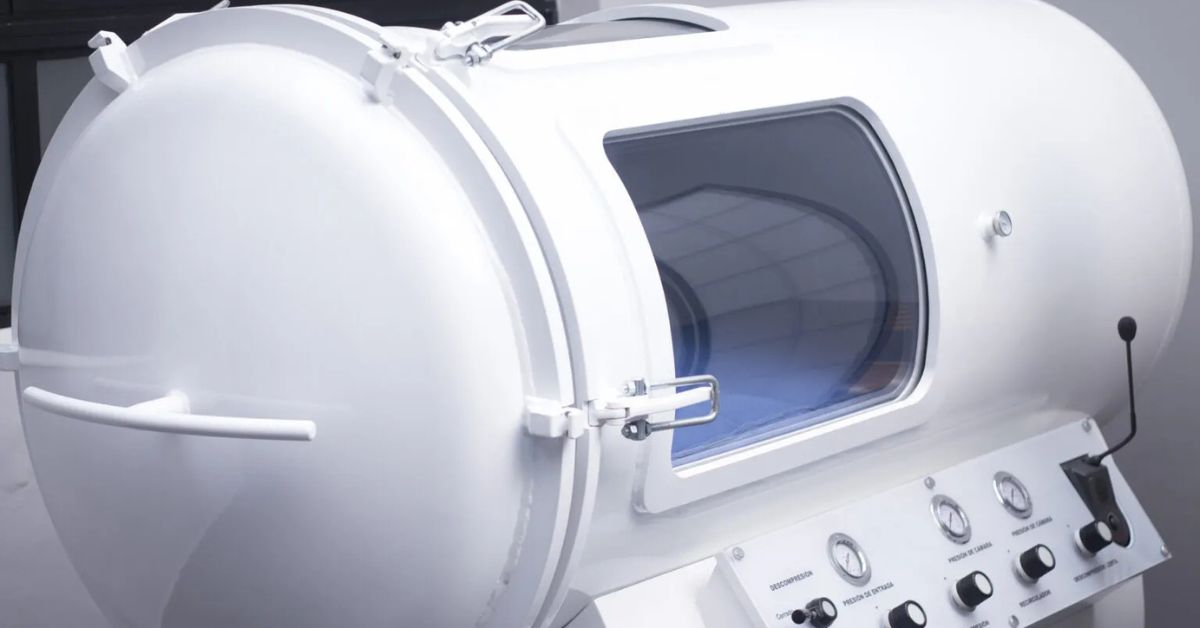
Precision engineering is critical to the functioning of equipment in extreme conditions in modern industries. Vacuum chambers play an essential role in various activities and industries, including scientific research, semiconductor manufacturing, aerospace testing, and high-end manufacturing. They offer and maintain environments that have specific variables set beforehand. Therefore, the manufacturers of vacuum chambers need to have the appropriate engineering and manufacturing skills and exceptional quality control to offer the chambers that will be used.
A successful vacuum chamber requires the ability to analyze complex industrial systems, develop designs that effectively manage all the elements in the system in order to control and maintain pressure differentials, and prevent individual components from working independently of each other. This type of engineering requires a high degree of integration of mechanical and material engineering, as well as high-precision manufacturing processes.
The Expectations of Industrial Equipment and Precision Manufacturing
Any modern industrial system is expected to perform with extreme precision, and vacuum chambers are no exception. This is why precision manufacturing is essential. Any minor deviations in the design of the it, and in particular the seals and materials used to construct the vacuum chamber, will have a negative impact on it's ability to operate in controlled environments.
Why are Controlled Environments Important
Electronics manufacturing, testing of aerospace technology, and the development of advanced materials require defined conditions and environments for the success and reliability of processes and results.
Controlled environments offer organizations the ability to:-
1) Control the pressure to desired levels
2) Avoid contamination
3) Create environments found in space and at high altitudes
4) Provide extreme condition environments to test materials
Engineers and researchers can realize their goals and push technology further by having the above. Microchip production in the semiconductor industry illustrates the importance of control in environments. Production of microchips requires extreme cleanliness and stability to prevent even microscopic elements from damaging circuits.
Application of Technology in Various Fields
Industrial devices used in managed environments serve various industries. With advancements in technology, the industries` need for such devices increases.Key applications are:
Aerospace and Space Exploration
Aerospace engineers need particular devices to replicate conditions in outer space to evaluate satellites and the materials of spacecraft before launching.
Manufacturing of Semiconductors
Production of microelectronics requires a clean room where pressure and gas mixture are regulated and controlled.
Scientific Studies
Controlled environments are used by Universities and labs to conduct studies in the fields of physics, material science, and chemistry.
Research in the fields of Medicine and Pharmacy
Stable environments are often required to test medical devices or to conduct studies to develop new medical treatments.All of the above fields need reliable engineering and manufacturing to deliver devices that perform as required.
Design of a Complex System
Construction of sophisticated industrial equipment has to achieve the right mix of optimal performance, flexibility, and functionality. Engineers need to balance many elements before a system is constructed.
Typical considerations regarding core design will include:-
1) Stand structural strength regarding the difference in pressures
2) Integrity of seals in order to ensure there are no leaks
3) Compatibility with extreme temperatures
4) Ease of maintenance
5) Integration with the facility monitoring and control systems
The shape of internal components, or the design of a single gasket, can determine the overall performance of a system.
Engineers often work directly with the customer on the exact parameters within which the equipment needs to operate. Custom systems are often created, as many industries have varied performance requirements. Engineering Roadblocks and Subsequently, the Performance Attributes and the Engineering Roadblocks and Subsequently, the Performance Attributes and the Engineering Roadblocks and Innovation.
The manufacture of high-level systems with preferred attributes often faces roadblocks. Engineering phenomena such as fluctuations in parameters and the control of impurities are some of the roadblocks. The use of innovations in engineering is often used to solve barriers. For example, improved accuracy in machining has been able to provide positive outcomes in seal tightness and even surface roughness. Less deformation of joints and stronger knees are the results of improved advanced welding.
Quality Assurance and Testing
Before high-performance equipment is sent to customers, it is thoroughly examined and tested, ensuring that it operates properly and adheres to quality standards.
Some testing procedures include:-
1) Operational simulations
2) Surface cleanliness verification
30 Structural stress testing
4) Pressure stability tests
5) Leak detection with specialized equipment
The lab or production facility is ready for the equipment. Quality Control manufacturers develop durable partnerships with clients since reliability is crucial in industrial settings.
Customization for Unique Requirements
Because no two industries have the same set of demands, the majority of engineering firms implement tailored solutions rather than standardized equipment.
Customization can include:-
1) Specific ports and access points
2) Unique sensor or automated system
3) Unique mounting system
With this flexibility, organizations get equipment that fits the desired workflows, rather than eliminating several processes to incorporate ready-made solutions. Companies capable of managing such custom design tasks usually include engineering consultation, manufacturing, and testing.
Industry Experience's Value
The construction of high-quality industrial systems is heavily reliant on experience. Engineering teams that have built systems in different industries tend to cultivate a better understanding of how the constituent systems will be used and, therefore, perform.
This experience is used to:
1) Spot potential design problems early in the process
2) Suggest better materials
3) Increase efficiency
4) Streamline production schedules
5) Provide more dependable end products.
Manufacturers that win a reputation for trouble-free equipment become preferred suppliers to research, laboratory, and industrial users.
Engineering Excellence
A number of companies in the field of precision engineering have been able to successfully integrate contemporary equipment and a sophisticated understanding of precision engineering and construction. One such company is the GNB Group, which has been noted for creating sophisticated industrial systems for challenging operating conditions. Their systems exemplify the type of precision construction required for research, manufacturing, and high-technology industrial systems.
The Future
As industries evolve and embrace more sophisticated technologies, the need for precision-engineered tools will become more prominent. Tools used in areas such as space research, the semiconductor industry, and advanced materials research will need to become more precise.
It is reasonable to conclude that manufacturers that commit to advancements, robust quality assurance, and strong client partnerships will be at the vanguard of this evolution. With an emphasis on the precision, reliability, and customization of products, engineering firms will be instrumental in the evolution of scientific research and the engineering manufacturing cycle.
The evolution of technology will certainly enhance the need for reliable manufacturing partners. Organizations that integrate engineering expertise and hands-on experience will be the most significant contributors to the evolution of research, manufacturing, and technology.











.webp)