Sign up with Google
 Sign in with Zoho

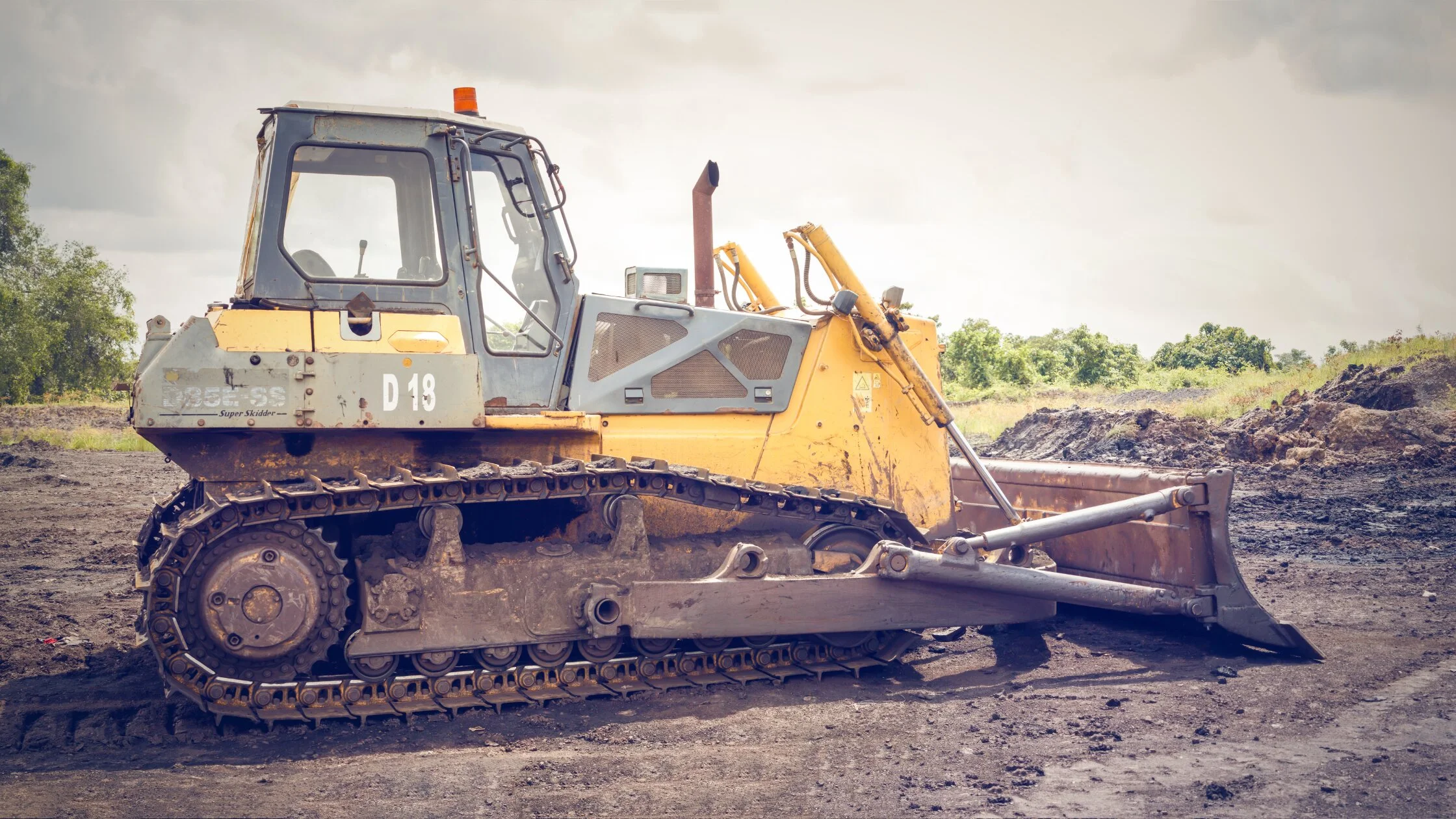
Construction projects rarely remain in one place for long. Equipment moves between jobsite areas, storage yards, maintenance facilities, and different projects as work progresses.
When several jobsites are active at once, knowing where every resource is and whether it is available can become a daily challenge.
A contractor may have equipment sitting unused at one project while another crew is waiting for the same resource.
An item may be transferred without its record being updated, or a supervisor may spend valuable time contacting other teams just to confirm an equipment location.
Construction asset tracking software can help contractors maintain a clearer view of equipment locations, assignments, movements, and availability.
Instead of relying entirely on spreadsheets and informal updates, teams can establish a consistent process for monitoring equipment throughout its time in the operation.
Why Equipment Movement Becomes Difficult to Track
Construction equipment changes locations for several reasons. A project may enter a new phase, a crew may need additional resources, maintenance may require equipment to leave the site, or a job may finish earlier than expected.
Each movement creates an opportunity for information to become outdated.
Common problems include:
- Equipment being transferred without updated records
- Supervisors not knowing which site has a particular resource
- Idle equipment remaining assigned to completed work
- Unclear responsibility for equipment between crews
- Delays caused by unnecessary equipment searches
- Rental requests made before internal availability is checked
These problems can create avoidable costs and make resource planning more difficult.
The solution starts with making equipment movements part of the normal jobsite workflow rather than treating them as occasional administrative updates.
Create a Clear Record for Every Asset
Effective tracking begins with a reliable equipment register.
Each asset should have an identifiable record containing the information relevant to its use.
Depending on the resource, this may include an equipment ID, serial number, asset category, current location, assigned project, responsible person, and operational status.
This creates a consistent reference point when equipment is requested, transferred, inspected, or returned.
Keep Jobsite Assignments Current
When equipment arrives at a construction site, its assignment should reflect where it is being used.
If the equipment is later moved to another project, the record should be updated accordingly. This helps prevent different teams from working with conflicting information.
Clear assignments also make it easier to identify equipment that could be reassigned when a project no longer needs it.
Track the Full Movement, Not Just the Current Location
Knowing where an asset is today is useful, but understanding how it arrived there can be equally important.
A movement history can record when equipment left the yard, arrived at a jobsite, moved to another project, or returned for maintenance.
This history supports accountability and makes it easier to investigate discrepancies.
For example, if a resource is missing from its expected location, the movement record may help identify its last documented transfer and the team responsible for receiving it.
Depending on the tracking method, location updates may come from manual check-in and check-out records, scanning systems, GPS devices, or other connected technologies.
The appropriate approach depends on the asset type and the level of location visibility required.
Make Transfers Between Jobsites More Reliable
Equipment transfers should follow a repeatable process.
Before a transfer, the sending team should confirm the equipment identity, destination, and expected departure.
Once the equipment arrives, the receiving team should confirm receipt and update the assignment.
This process can help answer important questions:
- Which project released the equipment?
- Where was it sent?
- When did the transfer take place?
- Who received the resource?
- Is it ready for use at the new site?
- Does it require inspection before deployment?
These details make transfers easier to coordinate and reduce the likelihood of equipment disappearing between assignments.
Connect Location With Equipment Status
An asset's location does not automatically mean it is available.
A resource may be physically present at a jobsite but unavailable because it is under repair, awaiting an inspection, or assigned to another activity.
For this reason, tracking should include status information alongside location.
Useful status categories may include active, available, idle, in transit, under inspection, under repair, and stored.
When both location and status are current, project teams can make better decisions about whether to request, transfer, or deploy a resource.
Use Utilization Data to Improve Equipment Allocation
Equipment can remain idle even when another jobsite is experiencing a shortage.
Utilization data helps contractors understand how resources are being used and identify possible opportunities for reassignment.
For example, a contractor may discover that equipment assigned to one project is rarely used during a particular phase.
If another site needs the same resource, operations can determine whether a transfer would make sense.
Operating hours can also help explain whether a resource is being used as expected and whether maintenance planning should be adjusted.
The aim is not to eliminate all idle time. Construction schedules naturally create periods when some resources are not needed. The important goal is to identify avoidable underuse.
Connect Tracking With Maintenance
Equipment conditions should remain visible as assets move between projects.
When equipment leaves a jobsite for repair, its status needs to reflect that change. When it returns, the receiving team should know whether the required service or inspection has been completed.
Construction asset tracking software can support this process by keeping assignment and movement records connected with equipment status and maintenance information.
This helps prevent equipment from being treated as available when it is still awaiting attention.
It also gives maintenance teams a clearer understanding of where resources are located and which project may need them next.
Reduce Unnecessary Rental Requests
Rental expenses can increase when contractors cannot identify available internal equipment quickly.
A supervisor may request another resource simply because the team does not know whether a suitable option is sitting idle elsewhere.
Accurate tracking helps operations teams check existing availability before committing to additional rentals.
This does not eliminate the need for rentals. Some projects require more equipment than the company owns, and certain tasks may require specialized resources.
Better information simply makes those decisions more informed.
Improve Accountability Across Crews
Shared equipment often moves between crews, supervisors, and projects. Without a clear record of responsibility, it can be difficult to determine who has possession of an asset or where it was last used.
A consistent check-in and check-out process helps establish responsibility at each stage.
This is particularly useful for smaller equipment, attachments, generators, and other portable resources that can move frequently between work areas.
Build a Tracking Process That Scales
A manual tracking process can be manageable for a small operation but become difficult as more equipment and jobsites are added.
A scalable approach standardizes asset records, transfer procedures, status updates, and responsibility for maintaining information.
Construction asset tracking software can help contractors organize these records and create a more consistent view across the operation.
The value comes from making reliable information available when equipment decisions need to be made, rather than requiring someone to collect updates from several sources.
Conclusion
Tracking equipment movement across active jobsites is about more than locating individual resources.
Contractors need to understand where equipment is, which project is using it, who is responsible for it, whether it is available, and what condition it is in.
A consistent tracking process can improve accountability, reduce unnecessary searches, support better equipment allocation, and make transfers easier to manage.
For construction companies working across multiple projects, construction asset tracking software can provide a practical foundation for keeping equipment visible throughout its movement between yards, jobsite areas, maintenance facilities, and active construction sites.