Sign up with Google
 Sign in with Zoho

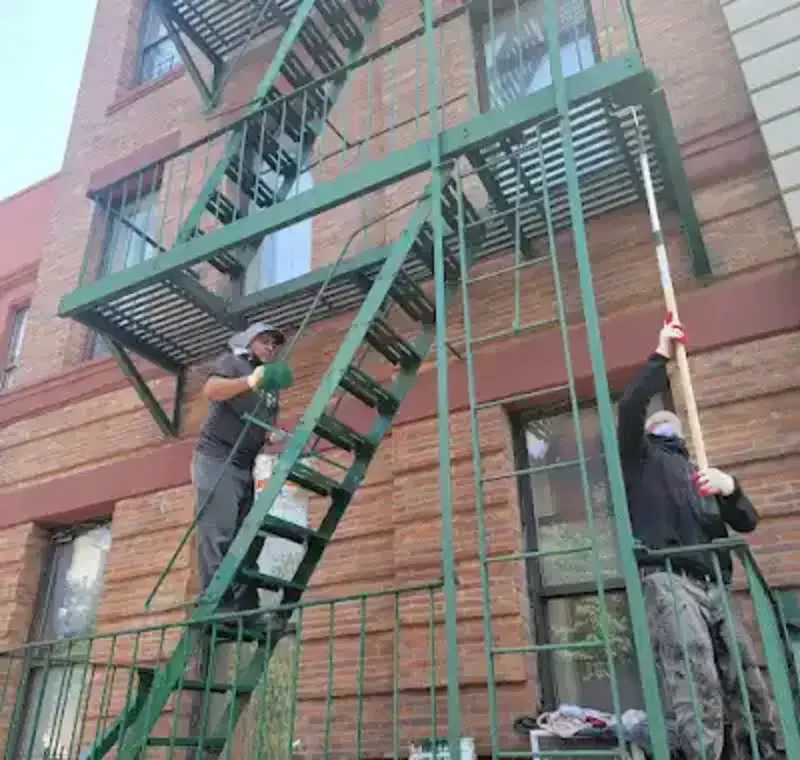
Fire escapes are essential safety features in many New York City residential and commercial buildings. They provide an additional means of egress during emergencies and must remain in suitable working condition. However, constant exposure to rain, snow, humidity, pollution and seasonal temperature changes can gradually damage exterior metal structures. Without proper care, small maintenance problems may develop into costly repairs or serious structural concerns.
For property owners and building managers, extending the lifespan of a fire escape requires a consistent maintenance strategy. Regular inspections, corrosion control, protective painting and timely repairs can help preserve the structure and reduce avoidable deterioration. Professional fire escape maintenance NYC services can also help identify potential problems early and determine when specialised repairs or more extensive restoration may be necessary.
1. Schedule Regular Fire Escape Inspections
Routine inspections are one of the most effective ways to identify deterioration before it becomes extensive. Property owners should arrange qualified assessments based on the building's condition, applicable requirements and any previous inspection findings.
During an inspection, attention should be given to stair treads, platforms, railings, support beams, welds, fasteners and connections between the fire escape and the building. These components must remain stable and functional to support safe use.
Look for visible rust, loose connections, cracked welds, bent railings, damaged steps and areas where water collects. Some problems may be difficult to identify without close examination, particularly around wall anchors and joints where moisture can accumulate.
Maintaining inspection records is equally important. Documenting observed defects, completed repairs and recommended follow-up work helps property managers track recurring issues and plan maintenance budgets. If an inspector identifies a safety concern, arrange the recommended evaluation or corrective work promptly.
2. Prevent Rust and Corrosion Before They Spread
Rust is a common cause of deterioration in exterior steel fire escapes. When protective coatings break down, moisture and oxygen can react with exposed metal, gradually weakening the surface. If corrosion continues unchecked, it may affect the strength of important structural components.
Property owners should pay particular attention to exposed edges, joints, fasteners, stair treads and areas where rainwater remains after storms. Removing accumulated dirt and addressing damaged coatings can help reduce conditions that encourage corrosion.
When rust appears, the affected area should be assessed to determine its severity. Minor surface corrosion may be treated through appropriate cleaning and preparation, followed by a suitable rust-inhibiting primer and protective coating. Deep corrosion, flaking steel or visible loss of metal thickness requires professional evaluation before cosmetic work begins.
Applying paint directly over loose rust is not a reliable long-term solution. Proper preparation is necessary to help protective coatings adhere correctly and prevent deterioration from continuing underneath the new finish.
3. Invest in Professional Fire Escape Painting
Fire escape painting does more than improve a building's exterior appearance. A properly prepared and coated metal surface receives a protective barrier against moisture and weather exposure, helping slow corrosion and extend the useful life of the structure.
Professional painting generally involves removing loose paint, preparing the metal, treating suitable rusted areas, applying a compatible primer and finishing with an appropriate exterior metal coating. The exact preparation method and coating system should reflect the condition of the steel and the manufacturer's recommendations.
The frequency of repainting depends on environmental exposure, the quality of the previous work and the condition of the existing coating. Property owners should monitor peeling, blistering, fading and exposed metal rather than relying on a fixed schedule alone.
Painting should only proceed after any structural concerns have been evaluated. Fresh coatings cannot restore steel that has lost significant strength or repair failed welds and connections. Addressing those issues first helps ensure that maintenance work protects a sound structure.
4. Repair Minor Damage Before It Becomes Serious
Small defects can become more expensive when they remain unresolved. A loose railing, damaged stair tread, deteriorating weld or missing fastener may affect the safety and usability of a fire escape. Prompt repairs help prevent localised problems from spreading to neighbouring components.
After an inspection, property owners should prioritise repairs according to the severity of the defect and the professional recommendations provided. Work may include replacing damaged components, repairing approved connections, securing loose elements or addressing corrosion around joints.
Not every fire escape requires complete replacement when damage appears. In some cases, targeted repairs or partial restoration may be sufficient. However, widespread corrosion, compromised load-bearing members and extensive connection failures may require a more comprehensive solution.
Repairs involving structural metalwork should be completed by appropriately qualified professionals. Building staff should not attempt makeshift welding or modifications that could compromise the structure. Where a fire escape is identified as unsafe, access should be restricted as appropriate until the necessary corrective measures are completed.
5. Keep Stairs, Platforms and Drainage Areas Clear
Good housekeeping also supports fire escape longevity. Leaves, rubbish, dirt and other debris can collect on platforms and stairways, trapping moisture against metal surfaces and creating conditions that accelerate corrosion.
Property managers should arrange regular visual checks to ensure that steps and landings remain clear. Drainage openings should not be obstructed and water should not be allowed to collect unnecessarily on platforms. Any drainage problem should be investigated to determine whether the cause is debris, damaged components or an underlying building issue.
Fire escapes should not be used for routine storage. Boxes, furniture, equipment and other objects can obstruct movement during an emergency and may create additional maintenance concerns.
A clear inspection and cleaning routine helps identify new defects while keeping emergency exit routes accessible. These basic measures complement professional inspections, painting and repair work.
6. Follow NYC Fire Escape Safety Requirements
Property owners must understand the regulations that apply to their buildings. New York City requirements can vary according to building age, occupancy, construction type and the nature of the fire escape system. Inspection, maintenance, repair and alteration work should follow the applicable building codes and Department of Buildings requirements.
Owners should keep relevant inspection reports, maintenance records and repair documentation organised. If a violation or deficiency is identified, it is important to understand the specific corrective action required rather than assuming that repainting or a minor repair will resolve the issue.
Certain projects may require permits, professional plans or additional approvals. Work involving historic buildings or properties in designated historic districts may also require review by the appropriate preservation authority.
Consulting qualified contractors and, where necessary, a licensed design professional helps property owners understand the steps required for their specific project. Compliance should be confirmed for the individual building instead of relying on general advice alone.
7. Work With Experienced Fire Escape Contractors
An effective maintenance programme depends on selecting professionals who understand exterior metal structures and the challenges associated with older NYC buildings. Experienced contractors can evaluate corrosion, recommend appropriate protective coatings, identify repair needs and explain when restoration or replacement should be considered.
Before hiring a contractor, request a written estimate describing the proposed work, surface preparation, materials, repairs and project responsibilities. Check relevant experience, insurance coverage, references and the qualifications required for the work.
Property owners should also ask how unexpected structural damage will be documented and addressed. Clear communication helps avoid misunderstandings and ensures that the project focuses on the actual condition of the fire escape rather than cosmetic improvements alone.
Building managers can benefit from establishing an ongoing maintenance plan that includes inspection follow-ups, scheduled cleaning, coating assessments and prompt correction of identified defects. A planned approach is generally more effective than waiting until visible deterioration becomes severe.
Conclusion
Extending the lifespan of a fire escape requires consistent attention to its condition, from routine inspections and rust prevention to professional painting and timely repairs. Keeping platforms clear, monitoring protective coatings and addressing structural defects early can help property owners manage deterioration and reduce avoidable maintenance costs.
Every building has different maintenance needs, so the right approach should be based on a professional assessment and the regulations that apply to the property. By working with experienced contractors and maintaining accurate records, NYC property owners can protect their investment while helping keep emergency escape routes safe and functional for occupants.