Sign up with Google
 Sign in with Zoho



CSR funds are money set aside by eligible companies for social good, and if you work in the NGO or impact space, that changes how you plan, pitch, and deliver projects. The catch is that CSR money is not the same as a casual donation, so understanding the rules, the workflow, and the reporting expectations can save you a lot of wasted effort.
What is CSR Funds ?
CSR funds are the portion of company money earmarked for Corporate Social Responsibility work, which usually means support for social, environmental, or community projects. In plain English, a company decides, “This part of the budget is for public good,” and that money is then used for approved activities such as school support, health camps, livelihood programmes, water projects, or skill training.
Think of it like setting aside a monthly amount for a fixed purpose. You do not dip into it for random expenses, and you do not spend it without a plan. CSR funds work in a similar way, except there are compliance rules attached, and the paperwork matters almost as much as the project itself.
A company in Delhi might earmark funds for a digital learning project in a government school, while a company in Mumbai might support a clinic upgrade or a women’s livelihood initiative. The money is still company money, but the purpose is social impact, not sales, advertising, or general office spending.
CSR Funds vs Regular Charity Spend
A regular donation is often simple: give money, issue a receipt, move on. CSR funds are different because they usually come with a project scope, expected outputs, documentation, and reporting. That means the money is not just a goodwill gesture, it is tied to a structured social investment.
The difference matters because CSR budgets are usually managed with more discipline than ordinary philanthropy. A one-off charity spend may support an event or a relief activity, but CSR funding is more likely to support a programme with milestones, timelines, and evidence of what changed. Put bluntly, a company wants to know where the money went, what it achieved, and whether the work held up under review.
That is why a strong idea alone is not enough. If you want CSR support, you need a project that can survive scrutiny, not just a good story.
Why CSR Funds Matter to NGOs and Social Impact Organisations
If you run an NGO, a social enterprise, a hospital, a school, or an impact startup, CSR funds matter because they can turn small pilots into stable programmes. One-off donations help you patch holes. CSR funding can help you build something with shape, staff, records, and a longer runway.
There is another reason this funding stream gets attention. CSR money often comes with a clear project frame, which can make your work easier to plan and easier to explain. That is useful when you need to show funders, partners, or even your own team what success should look like.
For organisations trying to move beyond ad hoc activity, CSR funding can be the difference between a nice initiative and a repeatable model. It can support a school library in one district, a maternal health screening unit in another, or a skilling programme that actually runs long enough to matter.
How CSR Funding Works in India
CSR funding in India usually follows a simple path: a company sets aside a budget, identifies a social need, selects a project or partner, releases funds in stages, then checks progress through reporting and review. The process can look formal from the outside, but the basic logic is easy. Money is allocated, a project is chosen, work begins, and the outcome is tracked.
That structure exists for a reason. CSR money is not meant to drift around without accountability. Companies need to show that the funds were used for approved purposes, and project partners need to show that the work was real, documented, and delivered on time.
The legal side can sound intimidating, but the practical takeaway is simple: if the paperwork is sloppy, the project slows down. If the documentation is clean, approvals move more smoothly and trust builds faster.
Who Can Receive CSR Funding
CSR funding commonly goes to NGOs, trusts, societies, and section 8 companies, but educational institutions and hospitals can also be part of the picture depending on the project and the company’s approach. The real question is not just whether an organisation exists, but whether it looks ready to handle funds responsibly.
Companies usually check for basic eligibility first, then look for signs of capability. A school may have an excellent community reputation, but if it cannot show a clear project structure or proper records, the proposal can stall. A hospital may do strong clinical work, but if the project idea is vague, the company may not know how to measure progress.
In practice, the organisation needs to show a mix of credibility, compliance, and clarity. Good intent matters. Clean setup matters more than most first-time applicants expect.
What Companies Look for Before Releasing Funds
Before money moves, companies usually want to know three things: can the partner deliver, can the project be tracked, and does the activity fit the company’s CSR priorities. That is where due diligence comes in. It is a fancy phrase for basic checking, like confirming that the person holding the ladder actually knows how to use it.
Registration documents, governance structure, past projects, audited accounts, and a clear purpose all matter. So does the quality of the proposal. If the project plan reads like a wish list, it is hard to approve. If it explains the need, the activities, the budget, the timeline, and the expected outcome in plain language, it is much easier to trust.
The catch is that companies are not only funding a cause. They are funding a process. That means the organisation has to show it can manage money, manage expectations, and keep records without chaos creeping in.
Common CSR Funding Channels
CSR money reaches projects in a few common ways. Sometimes a company runs the project directly. Sometimes it works through an implementing partner such as an NGO, school, hospital, or social enterprise. And sometimes it uses a consultancy or intermediary to help match the company’s goals with the right project and then keep the work organised.
Each route has its own rhythm. Direct implementation gives the company more control, but it also means more in-house effort. Partner-led implementation spreads the workload, but then the reporting and coordination need to be tighter. Intermediary support is useful when the company wants an experienced hand to help with project fit, design, monitoring, and documentation without slowing the whole thing down.
In real life, the best channel is often the one that makes the project easier to execute honestly, not the one that sounds impressive in a meeting.
CSR Project Management : Turning Funding into a Working Project
CSR project management is the part where funding turns into actual activity on the ground. It is where a budget becomes a school upgrade, a health screening, a training course, or a livelihood intervention that people can actually see and use. Without project management, CSR funding can turn into a pile of intentions.
Good management keeps the work practical. It also saves time, because decisions are clearer, roles are clearer, and surprises are smaller. You do not want a project where everyone agrees it is “important” but nobody knows who is buying materials, who is visiting the site, or who signs off on the monthly update.
From Need to Project Design
A useful CSR project starts with a real need, not a fancy title. Need assessment is simply the process of finding out what is missing, what is broken, and what would genuinely help. If a village has plenty of awareness sessions but no functioning water point, another awareness session will not solve much.
That is why project design should begin with the people and places the project aims to serve. Once the need is clear, the goal becomes easier to shape. You can decide who the target group is, what activities make sense, and what outcome would count as real progress.
This is where many projects go wrong. They begin with the solution before the problem is understood. That is like packing for a trip before checking the destination.
Building a Project Plan That Works
A workable CSR project plan does not need to be decorative. It needs to be clear. You want objectives, timelines, budgets, roles, milestones, and deliverables laid out in a way that makes sense to someone reading it for the first time.
Think of it like planning a trip with fixed stops. If you say you will leave at 8, reach the first stop by 10, and arrive by evening, every piece has to fit the route. CSR planning works the same way. If the budget does not match the activities, or the timeline does not match the field reality, the plan will wobble later.
Good plans also name who does what. That sounds basic, but it prevents a lot of confusion. When everyone knows who is handling procurement, who is coordinating with the community, and who is preparing the reporting note, the project moves with far less friction.
Coordination Between Corporate and Implementing Partner
CSR projects usually work best when communication is calm and regular. The company wants to know that the project is moving. The implementing partner wants to know which approvals are needed and what counts as a valid update. The consultancy, when involved, helps keep both sides speaking the same language.
The trick is not constant messaging. It is timely messaging. A short update before a delay becomes serious is worth far more than a polished report after the problem has already grown teeth.
Strong coordination also keeps the scope stable. If the company wants one kind of outcome and the project partner assumes another, the whole effort starts drifting. Clear conversations early on prevent awkward surprises later, especially when budgets, field schedules, or community expectations change.
What Happens During Implementation
Once the project starts, the work becomes very concrete. Materials need to be arranged, people need to be mobilised, field visits need to happen, and beneficiary records need to be kept. If the project is in a district town or a rural block, the pace can shift quickly depending on weather, access, and local events, so flexibility matters.
There will be small delays. That is normal. A school may need extra time to prepare a room. A health camp may need more volunteers. A training batch may be smaller than expected in the first round. None of that means failure. It just means the project is living in the real world.
What keeps things under control is a tidy process. If records are updated on time and problems are flagged early, the project stays manageable. If everything is left until the end, the report becomes a scramble and the learning gets lost.
CSR Monitoring & Evaluation : How You Know the Work Is Actually Working
CSR monitoring and evaluation is how you check whether the project is doing what it promised. Monitoring is the regular check-up during the project. Evaluation is the deeper look at results, outcomes, and lessons at specific points. Put simply, monitoring tells you whether the work is on track, while evaluation tells you what changed because of it.
That distinction matters more than it sounds. A project can look busy and still miss the point. Another project can move slowly and still create meaningful change. Monitoring and evaluation help you tell the difference.
Monitoring vs Evaluation
Monitoring is the habit of checking progress as the project runs. Are activities happening? Are people attending? Are materials arriving? Are records being collected properly? It is the day-to-day pulse check.
Evaluation goes deeper. It asks whether the project created the outcome it aimed for. Did children’s attendance improve? Did patients get screened and referred? Did trainees actually gain skills that helped them find work? That is the bigger question.
A simple analogy helps here. Monitoring is like checking the dashboard while you drive. Evaluation is like looking at the full journey once you arrive. You need both, because one tells you whether you are moving safely, and the other tells you whether you reached the right place.
Key Metrics and Evidence to Track
Good CSR monitoring does not rely on guesswork. You usually want a mix of numbers and evidence. Count of beneficiaries reached, number of sessions delivered, attendance levels, service outputs, and completion rates are all useful. So are field notes, photographs, beneficiary feedback, and observations from site visits.
Numbers matter because they make progress visible. But numbers alone can be misleading. A training programme may claim to reach 200 people, yet only half may finish the course. A clinic camp may serve many visitors, but if follow-up is weak, the health impact may be shallow. That is why practical evidence matters alongside the data.
The best projects track what can be measured without losing sight of what can be felt on the ground. If community members say the service feels easier to access, that is meaningful. If a school teacher says attendance is steadier, that is worth recording.
Reporting That Makes Sense to Everyone
A good report should not feel like homework. It should explain what happened, what changed, what did not go to plan, and what was learned. Clear reporting helps a CSR manager, a company leader, or a partner organisation understand the project without needing a decoding guide.
The report should be consistent too. If the first month uses one format and the next month uses another, comparison gets messy. A simple structure is usually best: activities completed, numbers reached, progress against targets, challenges, corrective action, and next steps.
Plain language wins here. “Community mobilisation was delayed due to monsoon access issues” tells a better story than a vague line about “operational constraints.” One is usable. The other sounds like it was written to avoid the point.
Fixing Problems Early Through Monitoring
Monitoring is useful because it catches trouble while there is still time to fix it. If participation is low, you can adjust outreach. If procurement is delayed, you can change the schedule. If community expectations are drifting, you can clarify the scope before frustration builds.
That is the real value. Monitoring protects the project from avoidable damage. It is not about policing every move. It is about spotting the small gap before it becomes a funding problem, a delivery problem, or a trust problem.
A project with regular check-ins usually feels calmer, even when challenges appear. That is not because nothing goes wrong. It is because problems get named early.
Common Challenges in CSR Fund Management
CSR fund management looks neat on paper, but real projects pick up friction fast. Delays, mismatched expectations, patchy reporting, and weak exit planning are common. None of these is rare, and none of them has to sink a project if you spot them early.
The useful thing is to know where the trouble usually starts. Once you recognise the pattern, you can fix more of it before it spreads.
Delays in Approvals or Disbursements
One of the biggest slowdowns is timing. Funds may be approved in principle, but actual release can take longer than expected because documents are incomplete, internal sign-offs are pending, or project details are still being cleaned up.
That is frustrating, but it is also predictable. Clean paperwork, a clear project note, and a budget that matches the activities make the path smoother. If the proposal is half-finished, the company has to stop and ask questions. If the files are neat, the process usually moves with less friction.
The smartest move is simple. Prepare the documentation as if it will be reviewed line by line, because often it will be.

Misaligned Expectations
A lot of project trouble begins when one side imagines one result and the other side imagines something different. A company may expect measurable change within a short cycle. A partner may think the project is mainly about service delivery. Both can be reasonable, but if those expectations are not aligned, disappointment is almost guaranteed.
The fix is direct conversation. Agree on what success means, what will be delivered, how long it will take, and what evidence will be used. Once that is clear, the project becomes easier to manage because nobody is guessing.
This is especially important for projects with social complexity. A school intervention, a health programme, or a livelihood project can all look simple from far away and complicated up close.
Weak Documentation and Reporting
Messy records create avoidable problems. Missing beneficiary lists, vague photographs, incomplete attendance sheets, or late progress notes can make even a solid project look weak. The work may have been good on the ground, but without proof, it becomes hard to explain.
Documentation is not separate from the project. It is part of the project. Every site visit, every batch of participants, every distribution, and every change in schedule should leave a trace that is easy to find later.
That sounds tedious until you need it. Then it becomes the thing that saves everyone time.
Sustainability Gaps After Project Closure
Some CSR projects fade after funding ends because no one planned for what comes after the grant period. A new classroom may be built, but nobody plans maintenance. A training programme may run well, but local staff are not equipped to continue it. A health camp may create demand, but referral support is weak.
Sustainability does not mean a project has to run forever. It means the result should not collapse the moment the funding cycle ends. Capacity-building, local ownership, simple maintenance plans, and a sensible handover process all help.
If a project can only survive while outsiders are watching, it is not really settled yet.
What Fiinovation CSR Consultants Bring to the Table
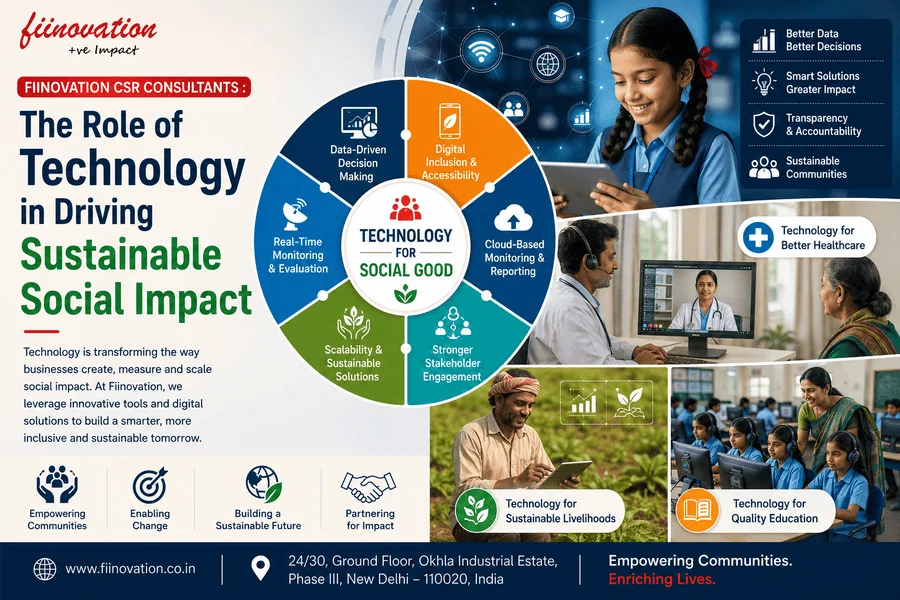
Fiinovation CSR consultants sit in the middle of the practical work, helping companies and project partners connect funding with real delivery. In simple terms, that means aligning the right project with the right CSR need, keeping the plan workable, and making the reporting easier to manage.
That kind of support matters because CSR work has a lot of moving parts. When the project fit is wrong, the rest gets harder. When the plan is solid from the start, everything downstream becomes less painful.
CSR Strategy and Partner Matching
One of the biggest jobs a consultant handles is matching corporate priorities with projects that actually fit. A company may want to support education, health, livelihoods, or environmental work, but the real challenge is finding a project that matches the need, the location, and the budget without forcing a bad fit.
That saves time for both sides. The company avoids reviewing dozens of mismatched proposals. The implementing organisation avoids chasing a funder that was never a real fit to begin with.
Fiinovation CSR consultants can help make that match more precise, which matters more than people realise. A good match is often the difference between a project that glides and a project that drags.
Project Planning and Execution Support
Planning support sounds dry until you have to deliver a project across a real field setting. Then it becomes obvious why it matters. Budgeting, activity design, scheduling, milestone setting, and coordination all need to line up before the first rupee is spent.
A consultant can help turn a broad idea into a project that can actually run. That means making the work specific enough to execute, but flexible enough to survive ordinary field changes. It also means making sure the plan matches the funds, because a nice idea with a broken budget is still broken.
Execution support matters too. When the project starts, little issues tend to appear. A strong support structure helps keep those issues from becoming delays.
Monitoring, Evaluation, and Documentation
Monitoring and evaluation are only useful if the evidence is organised. That means records, photos, attendance, progress notes, and outcome data need to be collected in a way that someone else can understand later. If the evidence is scattered across phones, notebooks, and memory, the project becomes harder to defend.
Fiinovation CSR consultants can help keep the story clear. That is useful when multiple stakeholders need the same information, just in different formats. A CSR manager wants assurance. A company leader wants outcomes. A project partner wants practical feedback. Good documentation lets all of that happen without confusion.
It also reduces stress at reporting time. That alone is worth a lot.
Transparency and Compliance Support
Compliance does not need to feel heavy, but it does need to be tidy. A consultant helps keep the process visible, trackable, and less likely to hit preventable snags. That means the right documents are in place, the project trail is easier to follow, and the company’s review process has fewer loose ends to chase.
For project partners, that can be a relief. For companies, it reduces risk. For everyone involved, it keeps the conversation on the work instead of on missing paperwork.
In CSR, tidy processes are not glamorous. They are just the difference between a project that runs and a project that keeps stopping for reasons nobody enjoys.
Types of CSR Projects You May See
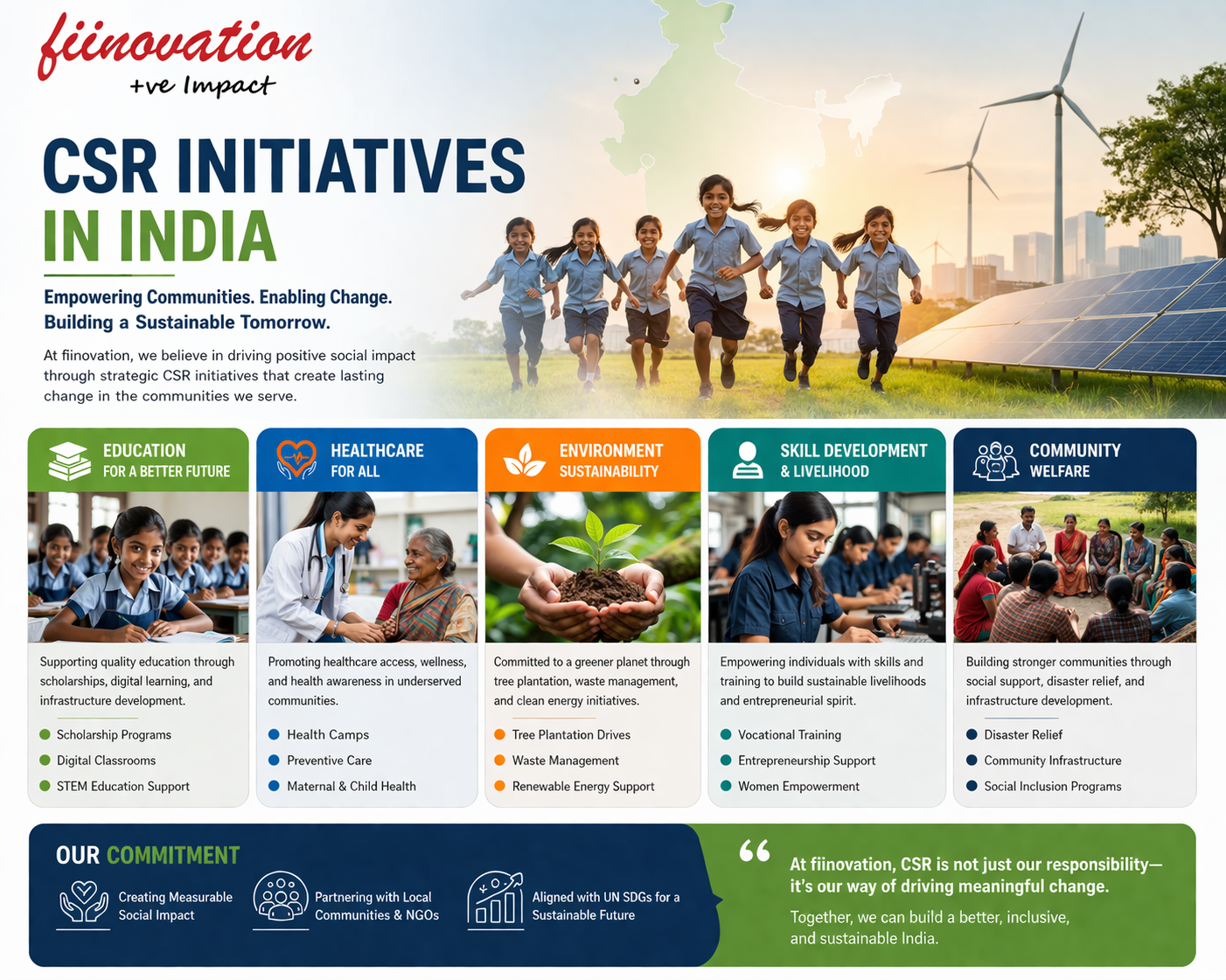
CSR work covers a wide range of themes, but most projects fall into a few familiar buckets. Once you know the categories, it becomes easier to see where your own work fits and what kind of partner or funding structure you may need.
Education and Skill Development
Education projects often focus on school support, digital learning, remediation, scholarships, teacher training, or employability. Skill development projects may add vocational training, placement support, or workplace readiness. These often need both infrastructure and programme support, because a classroom alone will not teach a child or train a job seeker.
A project in this space might equip a classroom in Pune, fund digital learning in a government school, or run a skill programme for young people who need a clearer path into work.
Healthcare and Community Wellbeing
Healthcare projects can include clinic upgrades, screening camps, maternal health, nutrition, mental health support, and access to basic services. These projects often work best when they are specific. A screening camp in a district town is easier to plan and measure than a vague promise to “improve health.”
Community wellbeing can also include sanitation, awareness, and referral support. In many places, the service matters, but so does the trust around the service.
Livelihoods and Livelihood-Linked Enterprise
Livelihood projects help people earn more or earn more reliably. That can mean trades training, support for women’s collectives, youth entrepreneurship, farm-linked work, or local enterprise development. The target is not just activity. It is income stability.
These projects often do best when they are tied to real market needs. Training someone in a skill with no local demand is a quick way to waste energy. Good livelihood work is practical, local, and rooted in what people can actually sell or do.
Environment, Water, and Sanitation
Water, sanitation, waste management, climate action, and greener communities are all common CSR themes. These projects often need behaviour change as much as infrastructure. A clean water point is useful, but only if it is maintained. A sanitation drive is useful, but only if people keep using it.
That is why the social side matters as much as the physical side. Buildings and systems do not run themselves.
How to Choose the Right CSR Project Partner
Choosing a partner is less about polish and more about fit. A slick presentation deck can look convincing for five minutes. Actual delivery experience tends to matter much more once the project begins.
Check the Track Record
Past delivery tells you a lot. Has the partner handled projects of a similar size? Has it kept records properly? Has it worked in the sector before? A clean track record is worth more than dramatic promises, because CSR work rewards reliability.
You want signs that the partner knows how to finish what it starts. That is especially true when field conditions are messy, timelines are tight, or reporting expectations are strict.
Look for Sector Fit
An education project is not a healthcare project, and a livelihoods programme is not a water project. Each one needs different knowledge, different field habits, and different kinds of coordination. Sector fit matters because it affects how well the project is designed and how quickly problems are solved.
If a partner understands the ground realities of the sector, you spend less time correcting basics and more time improving the work. That is a real advantage.
Ask How Impact Will Be Measured
If a partner cannot explain how success will be measured, the project is not ready. You do not need a hundred metrics. You need the right ones. What will change? For whom? By how much? How will that change be recorded?
That conversation should happen early, not after the project is already halfway through. Once the measurement logic is clear, reporting becomes easier and surprises shrink.
Confirm Communication and Responsiveness
Good communication is a working habit, not a nice extra. Questions should get answered quickly, updates should come before problems snowball, and changes should be explained plainly. If a partner goes quiet when things get complicated, that is a warning sign.
A good CSR partner keeps the process visible. That makes the whole project less stressful, because nobody has to guess what is happening behind the scenes.
Getting Started With the Right CSR Approach
Once you understand CSR funds, project management, and monitoring, the next step is not complexity. It is clarity. Check whether your project idea is specific enough, whether your documentation is clean enough, and whether your monitoring method can show real progress without guesswork.
A simple first move is often the best one: tighten one project note, one budget, or one reporting template, and make it easier for the next conversation to go well. Once that piece is in place, the rest of the CSR process starts to feel a lot less mysterious.