Sign up with Google
 Sign in with Zoho
.webp)
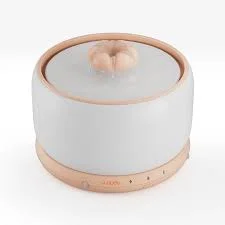
Cats have a well-earned reputation for being particular creatures, and their drinking habits are no exception. Unlike dogs, who tend to drink eagerly and often, cats are descended from desert-dwelling ancestors with a naturally low thirst drive. This evolutionary trait means many domestic cats simply do not drink enough water, a behaviour that can contribute to serious health problems over time. One of the most effective ways to encourage a cat to drink more is to appeal to its instinctive preference for moving, fresh-tasting water. This is precisely where a cat fountain proves its value. These devices circulate and filter water continuously, creating an appealing stream that draws cats in and encourages more frequent drinking. For cat owners seeking a well-designed option, the WOpet Ceramic Wireless Pet Water Fountain from WOPET offers a useful example of how modern features can address feline hydration needs.
Why Cats Need Encouragement to Drink
Understanding why cats are reluctant drinkers is the first step toward solving the problem.
The Desert Ancestry Connection
Domestic cats descend from African wildcats, animals adapted to arid environments where water was scarce. Their bodies evolved to concentrate urine efficiently and to obtain much of their moisture from prey. As a result, cats do not experience thirst as strongly as many other animals and will often eat rather than drink when mildly dehydrated. In a modern home where dry kibble forms a large part of the diet, this low thirst drive becomes a genuine health concern.
The Health Risks of Chronic Dehydration
Even mild, ongoing dehydration places strain on a cat's kidneys and urinary tract. It is a contributing factor to several common feline conditions, including urinary tract infections, crystals and stones, and chronic kidney disease—one of the most prevalent health issues in older cats. Encouraging consistent water intake is therefore one of the simplest and most impactful things an owner can do for long-term feline health.
Why a Bowl Often Fails
A still bowl of water is unappealing to many cats for several reasons. Cats are highly sensitive to taste and smell, and water that has sat out for hours absorbs odours, collects dust and hair, and develops a flat, stale taste. Some cats are also whisker-sensitive and dislike the sensation of their whiskers touching the sides of a deep, narrow bowl. Still water also offers no sensory stimulation, which matters for an animal that is naturally drawn to movement and sound.
How Water Fountains Address These Challenges
A fountain tackles these issues on multiple fronts by changing how water is presented.
Motion and Sound as Attractants
The gentle flow of water in a fountain creates movement and a soft, rhythmic sound—both of which are known to attract cats. Many owners report that their cat was initially curious about the fountain and quickly began drinking more frequently. This continuous circulation also keeps the water oxygenated, which improves its taste.
Continuous Filtration
The filtration system is the functional core of any good fountain. Most systems use multiple layers working together. A sponge or pump filter captures larger particles such as hair and debris, protecting the pump. An activated carbon filter then absorbs odours, removes finer impurities, and helps soften the water. The result is water that stays cleaner and tastes fresher for considerably longer than water sitting in an open bowl.
Hygiene and Reduced Maintenance
Because water is constantly moving and being filtered, fountains stay hygienic for longer and require less frequent full changes than a traditional bowl. That said, regular cleaning remains essential—most manufacturers recommend rinsing the basin and filter every two weeks and performing a deeper clean monthly.
Key Features to Consider in a Cat Fountain
Not all fountains are equal, and the details matter a great deal for both usability and your cat's willingness to use the device.
Material: Ceramic vs. Plastic
The material of the fountain is a significant consideration for cat owners.
- Ceramic is durable, heavy, and resistant to tipping—an important quality for cats that like to paw at things. Its non-porous surface does not scratch easily and is naturally resistant to bacterial buildup. Many ceramic fountains are also dishwasher-safe, making cleaning straightforward. Ceramic is also visually appealing, which matters for a device that will sit in a living space.
- Plastic is generally more affordable but scratches over time, and those scratches can harbour bacteria. Some cats are also sensitive to certain plastics, developing chin acne or showing reluctance to drink.
Capacity and Stability
A capacity of around 3 liters (approximately 101 ounces) is generous for a single cat or a small household, providing several days of water between refills. Weight and stability are equally important. A heavy ceramic base resists tipping, even when a larger cat or multiple pets are drinking from it, preventing spills and damage.
Power Source: The Advantage of Cordless Design
Traditionally, fountains required a nearby electrical outlet, which limited where they could be placed. Cordless, battery-powered designs offer a notable advantage: the fountain can be positioned anywhere—the living room, a bedroom, or a quiet corner—without the constraint of cords. A high-capacity rechargeable battery, such as 5000 mAh, can deliver weeks of operation on a single charge, making this feature genuinely practical rather than merely novel.
Pump Quality and Noise Level
The pump is the mechanical heart of the fountain, and its quality determines both reliability and your household's comfort. An ultra-quiet pump, operating at approximately 25 decibels or below, is essentially inaudible and will not disturb sleep or daily activities. It is worth looking for a pump that also includes anti-dry-burn protection, which automatically shuts off the motor if the water level drops too low. This safety feature prevents pump damage and is indicated on some models by a warning light.
Filtration System
A multi-layer filtration system is preferable, combining a sponge filter for physical debris and an activated carbon filter for odour removal and water softening. Replacement intervals typically range from two to four weeks, depending on use. Timely replacement is important both for water quality and for the longevity of the pump.
Ease of Cleaning
A fountain that is difficult to clean will not be cleaned often enough, and hygiene will suffer. Look for models that assemble and disassemble without tools, with a basin that can be rinsed quickly or placed in a dishwasher. Practical design features such as a wide opening and accessible components make a real difference in daily use.
How the WOpet W03 Illustrates These Principles
The WOpet Ceramic Wireless Pet Water Fountain (Model W03) serves as a useful case study in how these features come together in practice.
Cordless Convenience and Extended Battery Life
The fountain is powered by a 5000 mAh rechargeable battery, allowing completely cordless operation and placement anywhere in the home without access to an outlet. Depending on usage mode, a single charge can support up to 30 days of operation—a practical benefit for busy owners or those planning short trips away.
Durable Ceramic Construction
The body is made from high-quality, eco-friendly ceramic, chosen for its durability, stability, and aesthetic appeal. The heavy base keeps the fountain steady, and the non-porous surface resists bacterial growth. The ceramic bowl is also dishwasher-safe, simplifying routine cleaning.
Quiet Operation
With a pump rated at less than 25 decibels, the fountain is designed to be effectively silent, making it suitable for bedrooms and quiet living areas without disturbing pets or people.
Multi-Layer Filtration
The filtration system combines a sponge layer that captures impurities with an activated carbon filter that traps hair, removes odours, softens the water, and improves taste. This dual approach helps ensure the water remains fresh and appealing.
Safety Features and Capacity
The 3-liter (101 oz) capacity provides several days of water for most cats. The fountain includes automatic shut-off protection; if the water runs out, the device stops and displays a red indicator light, protecting the pump from damage.
Introducing Your Cat to a Fountain
Cats can be cautious about new objects, so a thoughtful introduction increases the likelihood of acceptance.
- Let your cat investigate. Place the fountain in a familiar spot and allow your cat to sniff and observe it without pressure.
- Choose a quiet location. Avoid busy areas or spots near the litter box or food bowl.
- Keep food and water separate. Many cats prefer to eat and drink in different locations.
- Reward interest. Praise or offer a treat when your cat approaches or drinks from the fountain.
- Be patient. Acceptance may take several days. Never force your cat to interact with the fountain.
Maintenance Tips for Long-Term Use
A simple routine keeps the fountain hygienic and working reliably:
- Rinse the ceramic basin and filter every two weeks.
- Replace the carbon filter every two to four weeks, depending on the number of pets.
- Clean the pump periodically to remove accumulated hair and debris.
- Perform a thorough deep clean at least once a month.
- Monitor the water level and refill promptly, particularly if a warning light indicates low water.
Conclusion
For cats, adequate hydration is not a given—it requires deliberate encouragement, and a water fountain is one of the most effective tools available to owners. By appealing to a cat's natural attraction to moving water and providing continuous filtration that keeps water clean and fresh-tasting, a fountain can meaningfully increase daily water intake and support long-term health. When choosing a fountain, consider the material, capacity, power source, pump quality, filtration system, and ease of cleaning. A thoughtfully designed model such as the WOpet Ceramic Wireless Pet Water Fountain from WOPET demonstrates how these elements can be combined into a single, practical device that fits both the cat's needs and the owner's lifestyle. With the right cat fountain and a consistent maintenance routine, you can make hydration an effortless and appealing part of your feline companion's daily life.